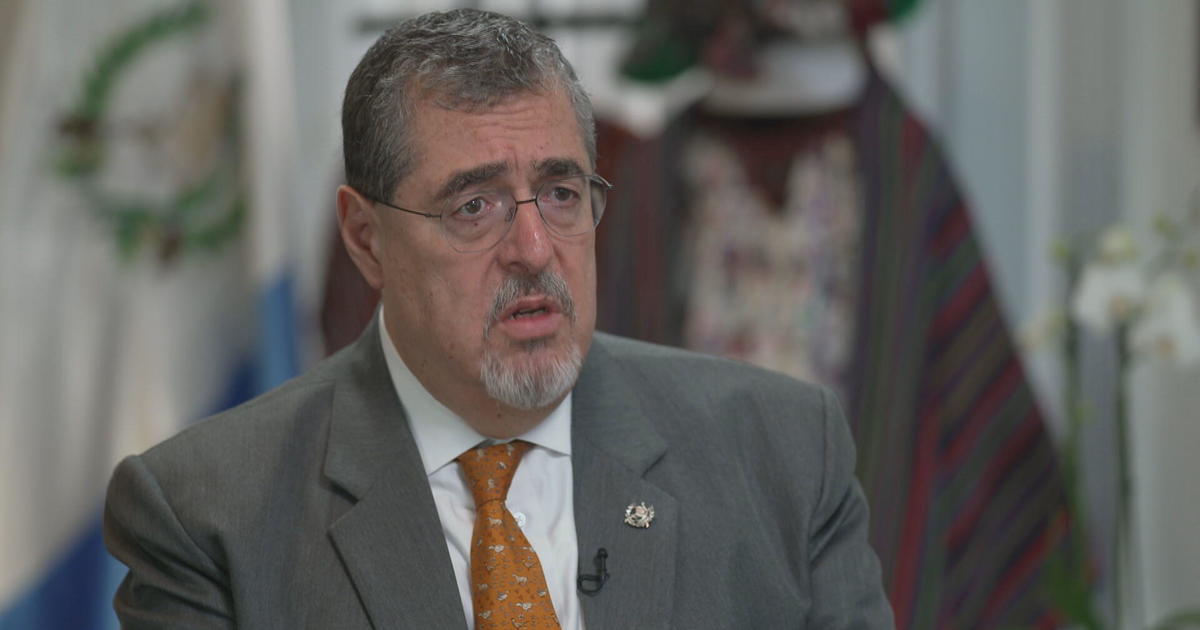
Nearly three years ago, Vice President Kamala Harris delivered a message to would-be migrants from Guatemala, urging them not to come to the United States. However, since June 2021, when Harris made those remarks, U.S. officials have encountered over 700,000 migrants from Guatemala along the southern border. The overall number of migrants apprehended along the border is expected to exceed 2 million by the end of the fiscal year in September, marking the third consecutive year of sustained foot traffic across the border. Guatemala’s new president, Bernardo Arévalo, who took office in January, recently visited Washington to meet with President Biden and Harris to discuss border security and immigration issues.
During his visit, Arévalo emphasized the need for more U.S. economic investment in Guatemala as a means to address the root causes of migration and encourage people to stay in their home country. He stressed the importance of creating conditions that attract investment, establish factories, and create job opportunities in Guatemala. Arévalo believes that allowing people the “right to stay” in their own country by providing economic opportunities is crucial to addressing the migration issue. President Biden appointed Harris to address the root causes of migration early in their administration, following a spike in illegal border crossings after years of hardline border security policies under former President Donald Trump.
As the Biden administration anticipates another busy spring along the U.S.-Mexico border, Harris announced an additional $170 million in economic development and security assistance for Guatemala. Arévalo welcomed these investments as a long-term solution to prevent citizens from leaving Guatemala and expressed his desire for continued cooperation. He also mentioned the possibility of working with a potential second Trump administration, highlighting the need for integrated solutions to complex problems rather than relying solely on border walls. Arévalo emphasized that addressing corruption is a crucial issue that must be tackled to achieve sustainable development in Guatemala.
Arévalo, a former diplomat and sociologist, ran an anti-corruption campaign that led to his victory in the presidential election, effectively ending the conservative political establishment in Guatemala. He emphasized the urgent need to fight corruption to enable the development necessary for people to flourish and stay in the country. Arévalo voiced his support for the release of journalist José Rubén Zamora, who was imprisoned on money laundering charges under the previous administration. Zamora’s case has garnered international attention and condemnation from journalists’ rights groups, highlighting the challenges faced by journalists in Guatemala.
As Arévalo works to revamp Guatemala’s government and restore democratic norms, he faces challenges from rivals controlling the judiciary who accuse him and his political party of election rigging. Despite these obstacles, Arévalo remains committed to fighting corruption, promoting development, and supporting the release of imprisoned journalists like Zamora. While he does not have direct control over the judiciary, Arévalo continues to advocate for justice and transparency in Guatemala.