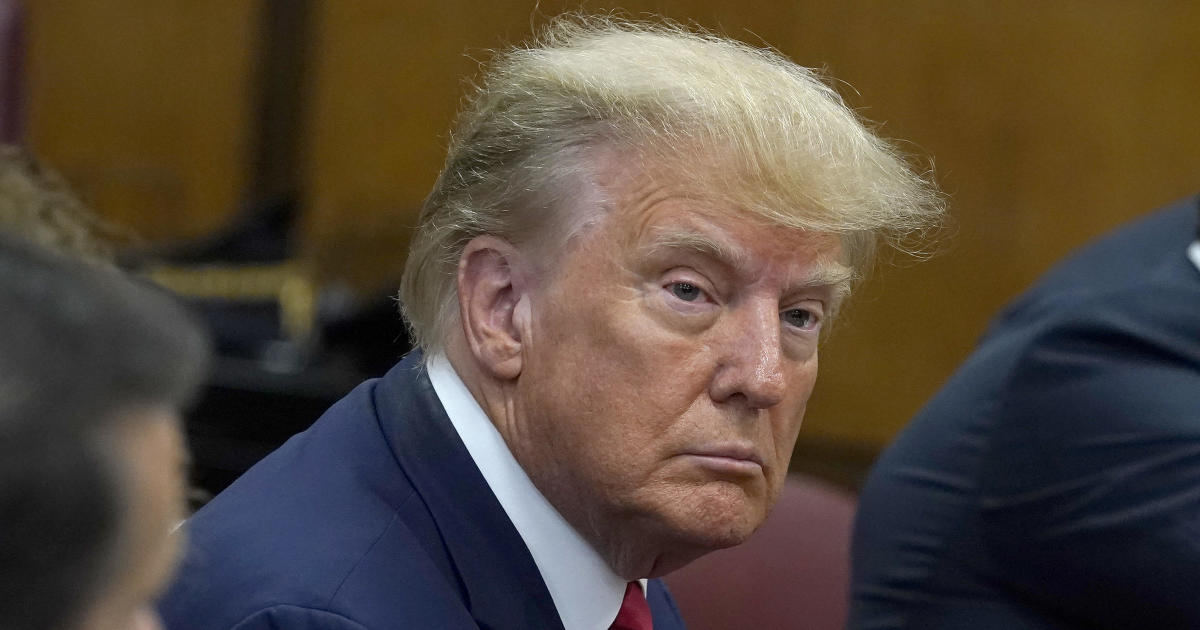
Former President Donald Trump has requested a delay in his upcoming criminal trial in New York, which is set to begin on March 25. His attorneys have asked for the trial to be postponed until after the Supreme Court rules on whether Trump is shielded from criminal prosecution by “presidential immunity” in another case. Lower federal courts have already ruled that no such immunity exists, and the Supreme Court is set to hear arguments on the matter on April 25. Trump’s attorneys argue that delaying the trial is necessary to properly adjudicate the presidential immunity defense and prevent the use of evidence related to his time in the White House.
The New York case against Trump involves a payment made by his attorney to adult film star Stormy Daniels, also known as Stephanie Clifford, in the days before the 2016 election. Trump faces 34 felony counts of falsification of business records related to reimbursements made to his attorney in 2017. Trump has pleaded not guilty and denies any wrongdoing. A federal judge previously rejected Trump’s attempt to have the state case moved to federal court, stating that the reimbursements were not tied to his service as president and did not constitute official acts.
In his latest filing, Trump’s attorneys argue that the reimbursements to his attorney were official acts and should be precluded as evidence in the trial. They claim that certain types of evidence implicate the concept of official acts and should not be used against Trump. The Manhattan District Attorney’s office, led by Alvin Bragg, has declined to comment on the request for a trial delay. During a hearing in 2023, an attorney for Bragg argued that the reimbursements were personal payments to a personal lawyer and not related to Trump’s official duties.
The request for a trial delay comes as Trump continues to face multiple investigations and legal challenges. Trump has consistently denied any wrongdoing and has sought to use legal defenses, such as presidential immunity, to protect himself from criminal prosecution. The outcome of the Supreme Court’s ruling on presidential immunity could have significant implications for Trump’s legal battles. The delay in the New York trial would allow for a resolution on the issue of presidential immunity before proceeding with the case. As the legal proceedings continue, Trump’s legal team is working to navigate the complex legal landscape and defend against the criminal charges he faces.