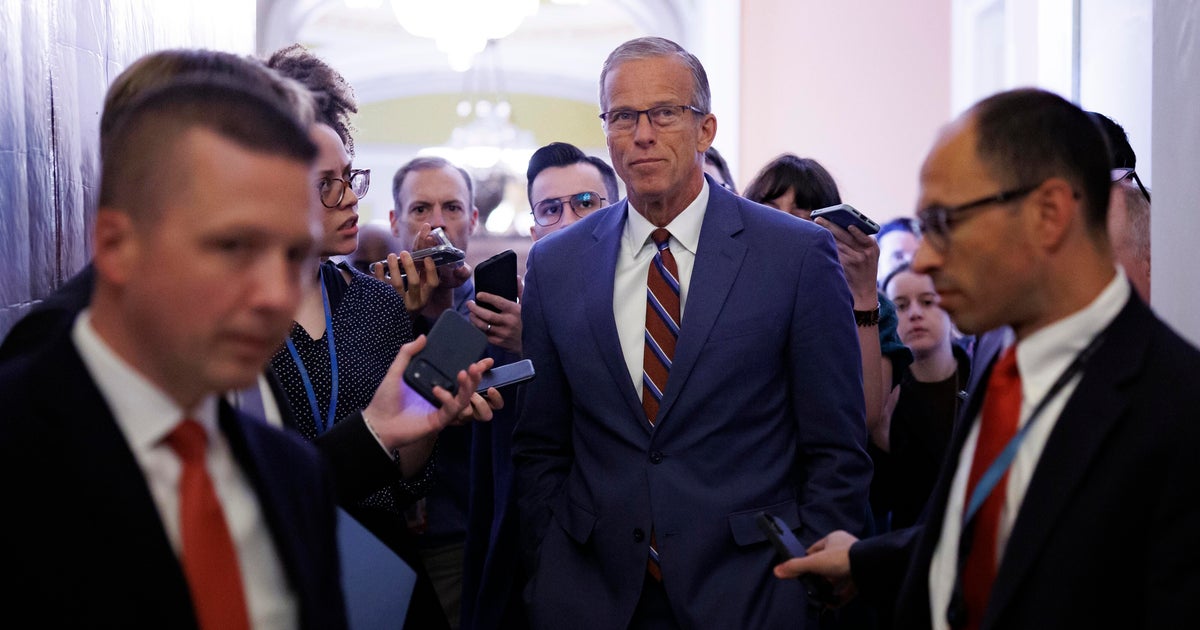
Senate Republicans in Washington successfully passed a much-debated funding package for the Department of Homeland Security’s immigration enforcement agencies after a lengthy voting session that began on Thursday and continued through the night into Friday morning. The approval of the reconciliation package, despite significant pushback over the administration’s controversial “anti-weaponization” fund, marked a significant milestone in the ongoing immigration debate.
In a close 52 to 47 vote, the Senate approved the approximately $70 billion package aimed at funding Immigration and Customs Enforcement and Border Patrol operations through the remainder of the Trump administration. The lone Republican to break ranks and vote with Democrats against the package was Sen. Lisa Murkowski of Alaska. With the Senate’s approval, the package now moves on to the House for further consideration.
The decision to pursue the funding through budget reconciliation was a strategic move by Republicans to bypass the need for Democratic support, given the months of opposition they faced from across the aisle. The final passage vote came after a marathon “vote-a-rama” session that lasted over 18 hours, during which senators were allowed to propose an unlimited number of amendments, resulting in more than two dozen votes being cast.
At the heart of the contentious debate was the inclusion of the DOJ fund, which aimed to provide financial compensation to individuals who alleged that the federal government had been “weaponized” against them. Despite being unrelated to the funding package, the fund became a focal point of the discussions and threatened to derail the entire process.
The fund had initially caused a stir last month, leading to delays in the planned vote series ahead of the Memorial Day recess. Upon their return this week, GOP leaders worked to secure assurances from the administration regarding the abandonment of the fund. Acting Attorney General Todd Blanche testified before a House committee, stating unequivocally that the fund would not move forward. However, some senators remained skeptical due to the lack of a written commitment and the president’s continued support for the plan.
Democrats seized the opportunity to exploit the Republican discomfort surrounding the fund. In the first vote of the series on Thursday, a Democrat-led effort to eliminate the fund narrowly failed in a 49 to 50 vote. The proposed amendment aimed to send the funding package back to the Judiciary Committee with instructions to exclude funding for the DOJ fund. Three Republicans, including Sens. Susan Collins, Jon Husted, and Dan Sullivan, broke ranks and sided with Democrats in support of the amendment, which only required a simple majority for approval.
The amendment vote highlighted a division within the GOP, as some senators, including Sen. Bill Cassidy, abstained from voting for over two hours while seemingly negotiating with party leaders. Cassidy, who recently lost his primary election after being endorsed by the president’s opponent, has been vocal in his opposition to the fund. Ultimately, he voted against the amendment, further showcasing the internal struggle within the Republican party.
Following the failed amendment vote, another proposal related to the fund also fell short of securing enough support. Sen. Thom Tillis introduced the amendment, but it did not garner the necessary backing to move forward. The continued debate and uncertainty surrounding the DOJ fund underscored the challenges and complexities of navigating the immigration funding issue within a deeply divided political landscape.
As the Senate Republicans celebrated their hard-fought victory in passing the funding package, the focus now shifts to the House, where further deliberations and potential amendments await. The outcome of this legislative process will have far-reaching implications for the future of immigration enforcement and border security policies in the United States. The contentious nature of the debate serves as a stark reminder of the deep-seated divisions and ideological clashes that continue to define the nation’s approach to immigration.