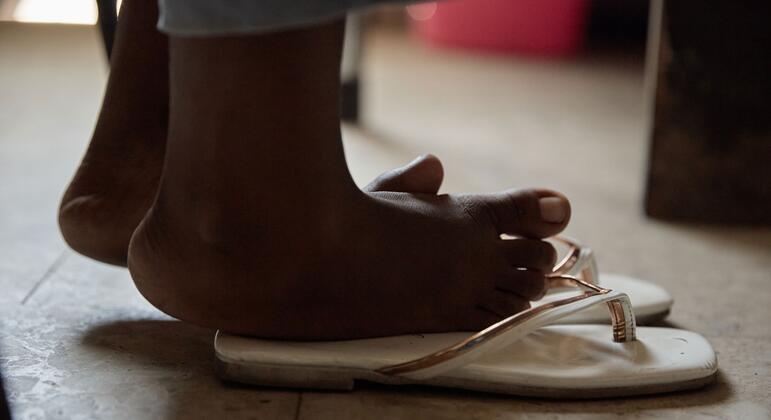
The United Nations released its annual report on Friday, shedding light on the alarming increase in cases of sexual violence as a tactic of war, torture, terrorism, and political repression. Special Representative Pramila Patten highlighted the deepening global trend, attributing it to rising insecurity, displacement, and dwindling resources for survivors. The report confirmed a staggering 9,788 cases of conflict-related sexual violence during 2025, but Patten emphasized that this figure does not fully capture the brutal reality of the situation.
Patten expressed concern that the documented cases of sexual violence only scratch the surface of a much broader pattern of violations that remain largely unseen and underreported. The report outlined various forms of sexual violence, including rape, gang rape, sexual slavery, forced marriage, trafficking, and abductions, perpetrated by both State and non-State actors across 21 conflict-affected countries. While women and girls were the primary targets, men and boys also fell victim to sexual violence, often in detention settings and as a form of torture. LGBTQI+ individuals faced heightened risks of targeted persecution and harassment.
The victims of sexual violence ranged in age from one to 70 years old, with cases involving persons with disabilities also documented. Patten highlighted that the violence was frequently accompanied by extreme physical abuse, including killings after rape and incidents of suicide among survivors. She emphasized that the report aimed to shed light on the human suffering of survivors and communities living in the shadow of war.
Non-State armed groups, including organized criminal groups, were noted to continue using sexual violence as a means to exert control over communities and territory, particularly in areas rich in natural resources. Displaced and refugee women and girls faced heightened risks, especially in remote and border areas where support networks had collapsed. The widespread availability of small arms was also identified as a contributing factor fueling sexual violence across multiple conflicts. However, humanitarian access restrictions, insecurity, and funding shortages were hindering efforts to document abuses and assist survivors effectively.
The report’s annex listed 77 parties responsible for patterns of conflict-related sexual violence, including 62 non-State actors. Among the new additions were three non-State armed groups operating in the Democratic Republic of the Congo – the Wazalendo armed elements, the Forces nationales de libération, and the Mai-Mai du groupe armé de l’Union des patriotes pour la libération du Congo. Additionally, two State actors – Russian armed and security forces, and Israeli armed and security forces – were newly listed following findings of continued patterns of sexual violence documented.
The report underscored the urgent need for concerted global action to address and prevent conflict-related sexual violence. Patten called for increased support for survivors, enhanced accountability for perpetrators, and strengthened measures to prevent and respond to sexual violence in conflict zones. She urged the international community to prioritize the protection of vulnerable populations, including women, girls, men, boys, and LGBTQI+ individuals, from the horrors of sexual violence in times of conflict.
In conclusion, the UN’s annual report on sexual violence in conflict highlighted the grave impact of such atrocities on individuals and communities worldwide. It emphasized the need for sustained efforts to address the root causes of sexual violence, provide support to survivors, and hold perpetrators accountable for their actions. The report served as a stark reminder of the ongoing challenges and the urgent need for collective action to end the scourge of sexual violence in conflict zones.