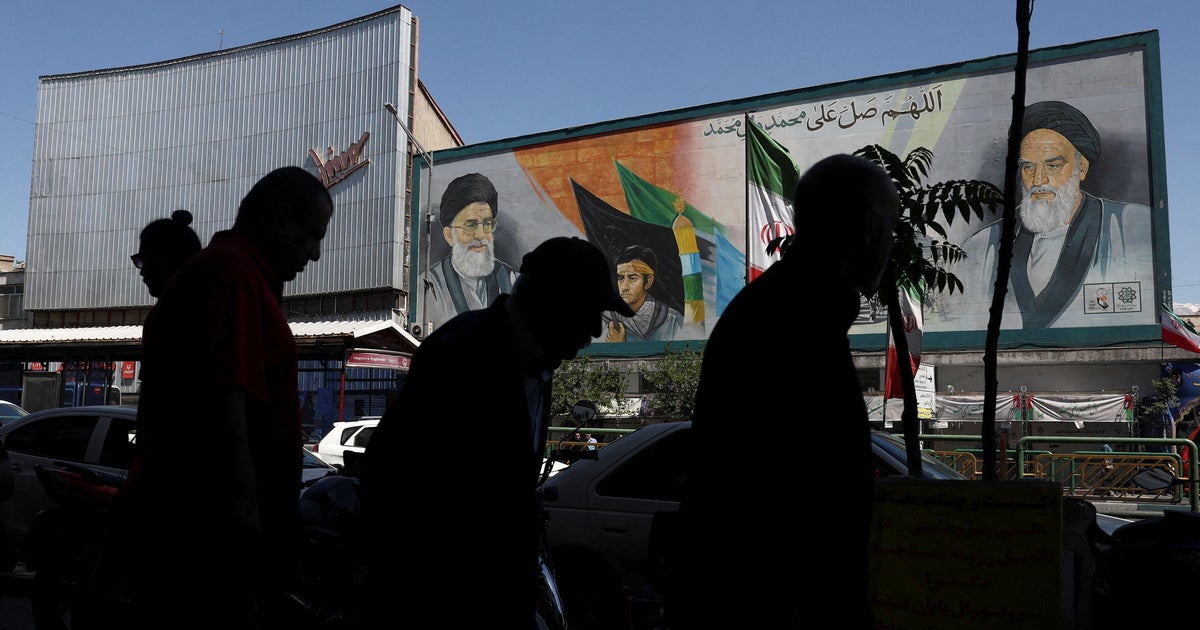
In recent developments, a draft proposal outlining a possible peace agreement between the United States and Iran has been circulated among diplomatic circles, suggesting major steps towards de-escalation and the promotion of peace in the region. The proposal, still subject to negotiations, signals a significant shift in relations, with Iran and the U.S. potentially agreeing on key points including nuclear disarmament and regional security.
The draft suggests a comprehensive agreement that, if finalized, would extend the existing 60-day ceasefire by an additional two months. This extension is crucial as it provides a broader window for diplomatic engagement and allows for the resolution of more complex issues without the immediate threat of military escalation.
One of the most significant elements of the draft proposal is Iran’s commitment to halt all military operations, not just on its own soil but also in external theaters such as Lebanon. This broader scope indicates an intent to decrease regional tensions comprehensively, which has been a point of contention for many years, particularly with Iran’s involvement in various Middle Eastern conflicts.
Further, the draft underscores a pivotal agreement from Iran to forego the development of nuclear weapons. This includes a crucial stipulation regarding the disposal of its enriched uranium stockpile. While the mechanism for disposal is still to be agreed upon, the mention of such a measure is a positive indication of Iran’s willingness to comply with international nuclear non-proliferation norms. However, details about how exactly the uranium will be disposed of, and how compliance will be verified, remain to be worked out.
In terms of maritime security, the draft mandates that Iran must immediately take steps to reopen the Strait of Hormuz, a vital waterway for global oil shipments that Iran had previously threatened to block. The reopening is intended to be followed by efforts to restore safe maritime traffic to pre-conflict conditions within 30 days, though the timeline might be optimistic considering potential logistical and security challenges, including the clearance of naval mines and other hazardous remnants of the conflict.
The agreement also discusses the lifting of the U.S. blockade on Iranian ports and ships, which had been a significant economic pressure point against Iran. In principle, Iran has agreed to this alongside the opening of the Strait of Hormuz, signaling mutual concessions that are instrumental for the deal’s success.
On the American side, senior administration officials have confirmed substantial parts of the draft but remain cautious about its full acceptance, noting that final terms are still under negotiation. President Donald Trump, expressing optimism, has stated publicly that a “Great Deal” is on the horizon, emphasizing that any agreement must be comprehensive and beneficial for all parties involved or otherwise no deal will be reached.
Negotiations are reportedly ongoing, with some issues yet to be finalized according to Iranian Foreign Ministry spokesman Esmaeil Baqaei. The talks are focused initially on ending the armed conflict, with more detailed discussions on nuclear matters expected to follow within the stipulated 60-day extension period if the memorandum of understanding is agreed upon.
Critically, the discussions also aim to address the broader geopolitical implications, including future economic sanctions and the status of Iran’s frozen financial assets abroad. The resolution of these points are tied to Iran’s compliance with the agreement’s terms, linking economic incentives directly to policy changes.
Throughout this diplomatic process, fluctuations in the positions of both sides have been evident, with public and private statements sometimes appearing contradictory or unclear. These dynamics underscore the complex, high-stakes nature of the negotiations and the fragile baseline from which both parties are operating.
Meanwhile, domestic considerations also play a role, with President Trump opting to remain in Washington over the weekend to attend to these critical negotiations, rather than participating in personal events such as his son’s wedding. This decision points to the priority the administration places on these talks, amidst other domestic and international pressures.
As the situation develops, the international community watches closely, hopeful for a resolution that not only ends the immediate threat of military conflict but also sets a foundation for lasting peace and stability in a region long fraught with tension and conflict.