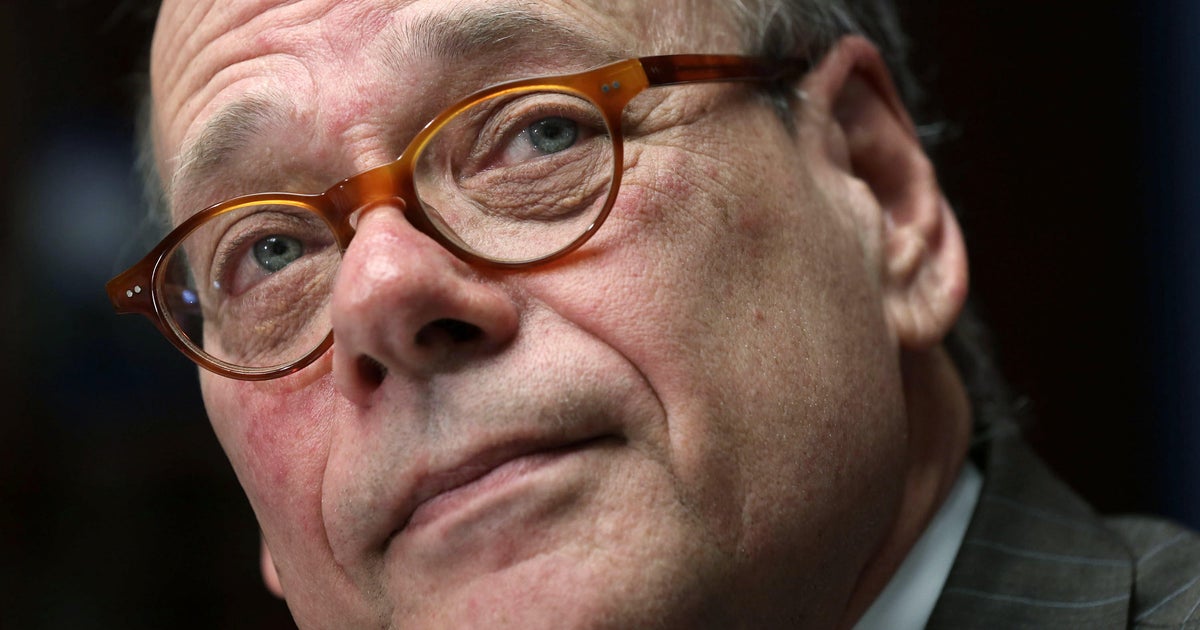
In a momentous shift in Tennessee’s political landscape, Democratic Representative Steve Cohen has declared that he will not seek reelection for the ninth congressional district—a position he has held steadfastly since 2007. This announcement came on a recent Friday, casting a significant cloud of uncertainty over the future representation of the district.
Cohen’s decision to step down stems primarily from the recent redistricting maneuvers undertaken by the Tennessee legislature, a development that has reconfigured the boundaries of his Memphis-based district. This redistricting was part of a broader push often seen across various states where partisan dynamics influence the redrawing of congressional maps to favor one party over another. In Tennessee, this initiative has been sharply criticized, especially as it tends to dilute the voting power of certain demographics, which has historically skewed the electoral balance.
At 76 years old, Steve Cohen stands as the sole Democrat in Tennessee’s congressional delegation, anchoring his role not just as a party leader but as a critical voice in the state’s diverse political spectrum. Cohen, a fourth-generation Memphian, expressed a poignant mix of resolve and melancholy during his announcement. This decision marks not just the end of his congressional tenure but also his retreat from public life—a significant conclusion to nearly two decades of steadfast representation of his constituents.
During his announcement, Cohen spoke with evident emotion about the impact of the redistricting on his decision. “This is by far the most difficult moment I’ve had as an elected official,” he disclosed, hinting at the complex interplay of loyalty, responsibility, and realism that guided his choice. He revealed that although he considered running in one of the newly drawn districts, the reconfigured landscapes were starkly different from his long-represented ninth district, particularly in their demographic and political alignments.
The ninth district, as served by Cohen, has historically been a majority African-American district, echoing a communal voice that resonates strongly with the congressman’s own advocacies and legislative priorities. This demographic dynamic has been a cornerstone of his political identity and legislative focus, making the district’s dissolution a particularly poignant aspect of the redistricting outcome.
The Tennessee legislature, dominated by the Republican Party, passed the redistricting measure amidst considerable controversy and public outcry. Critics and community advocates argue that the new district maps fragment Memphis into several districts that lean significantly more Republican, potentially diluting the historical voting power and community representation of the city’s predominantly African-American populace.
Throughout his tenure in Congress, Cohen has been an active member on several crucial committees, including the House Permanent Select Committee on Intelligence, the House Judiciary Committee, and the House Committee on Transportation and Infrastructure. Cohen’s legislative work has particularly focused on advancing civil rights and policing reforms, aligning with his overall commitment to social justice and equity.
Among his notable achievements, Cohen has been recognized as the first Jewish person elected to represent Tennessee in Congress, a historical marker not just of personal achievement but of cultural significance in the broader landscape of American politics. As highlighted by House Democratic Leader Hakeem Jeffries, Cohen’s contributions have been transformative. “Steve has been a powerful champion for civil rights, leading the passage of a resolution issuing the first formal apology for slavery in the U.S.,” Jeffries stated, underscoring Cohen’s role in pivotal legislative actions aimed at reconciling deep historical injustices.
Jeffries further commended Cohen for his leadership in various legislative inquiries and hearings focused on the Voting Rights Act, police reform, and racial justice. This body of work, Jeffries suggests, reaffirms Cohen’s unwavering commitment to nurturing America’s foundational promise of equality and justice for all. “The city of Memphis, the Congress, and the nation are better because of Steve’s commitment to making a difference,” Jeffries added, encapsulating Cohen’s enduring legacy in both local and national contexts.
While Cohen’s retirement marks the end of an era in Tennessee’s political theatre, the broader ramifications of the state’s redistricting efforts continue to stoke debate and concern. As communities and political analysts look forward, there remain substantial questions about representation, equity, and the future political landscape of Memphis and Tennessee at large.
As this chapter closes for Steve Cohen, the narrative of Tennessee’s political evolution continues to unfold, with the spotlight intensely focused on the intersections of district boundaries, demographic representations, and the ongoing struggle for a balanced and fair political representation in the state.