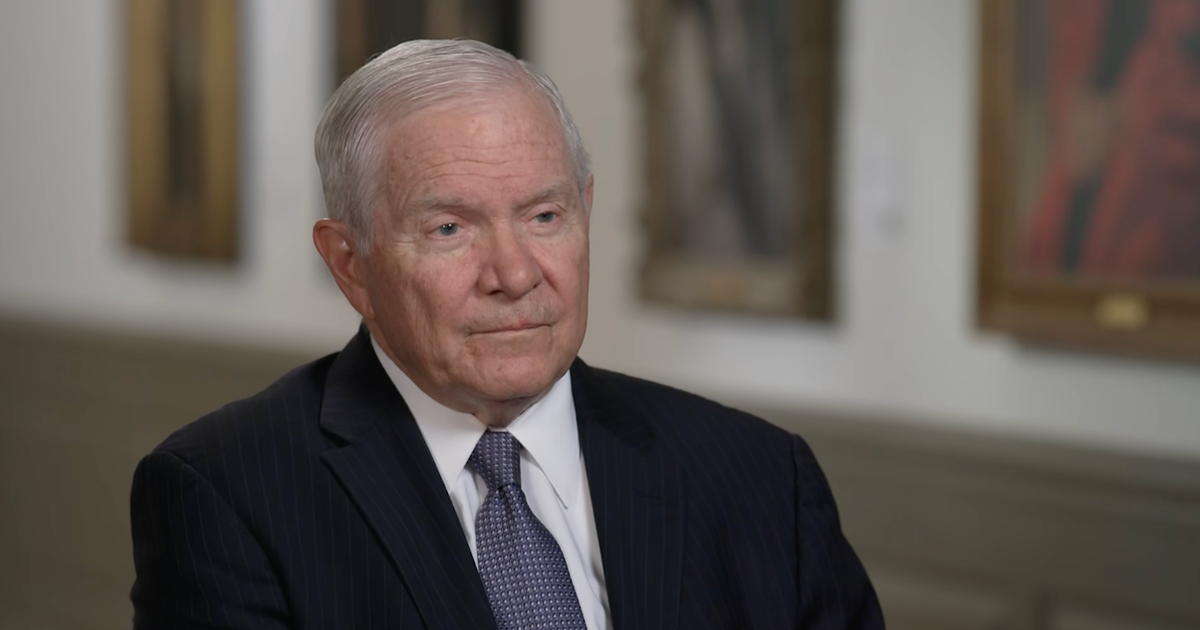
In a complex geopolitical climate, as tensions between the United States and Cuba intensify, former Defense Secretary Robert Gates has voiced concerns over the gravest risk posed by the Cuban government’s potential collapse. Gates outlined this dire scenario, fearing a major humanitarian crisis reminiscent of the Mariel boatlift in 1980. This sentiment came during his recent interview on the CBS show “Face the Nation with Margaret Brennan,” indicating that an unstable Cuba could precipitate a mass exodus of Cubans to the U.S. seeking refuge, significantly challenging U.S. resources and social services.
The Mariel boatlift, a historical mass migration where approximately 125,000 Cubans fled their homeland for the U.S., is a poignant reminder of what can occur when Cuba faces severe internal challenges. The migrants left largely due to economic desperation following years of economic mismanagement, which culminated in acute scarcity and social upheaval, and their arrival put considerable strain on social services in Florida, prompting state and federal emergency declarations. Invoking this scenario, Gates emphasized that the potential for a similar event today could pose an even more complicated and challenging situation for the U.S. amidst current geopolitical tensions.
The geopolitical landscape surrounding Cuba is fraught with complexities, including its international alliances and activities. Gates highlighted Cuba’s engagement in global political matters, such as its support for Venezuela’s ousted President Nicolás Maduro by providing security assistance, which he admitted had certain implications for U.S. national security. However, he was skeptical of labeling Cuba as an “imminent threat” to the U.S., suggesting that the primary concern is not aggressive confrontation but the probable internal collapse of Cuba itself.
President Donald Trump has repeatedly floated the idea of military intervention in Cuba over the past few months as his administration seeks to apply pressure on the Cuban government to enact economic and political reforms. Simultaneously, his administration has targeted the Cuban economy, notably through imposing an oil blockade. Experts suggest that these severe sanctions have thrust Cuba into its most serious economic crisis since the fall of the Soviet Union, which had previously been a crucial economic supporter through subsidies.
This acute economic strangulation recently culminated in a nationwide fuel shortage, as admitted by Cuba’s Energy Minister, who publicly acknowledged the dire situation exacerbated by the U.S.-imposed blockade. Such economic pressures appear intended to compel the Cuban government toward fundamental political and economic shifts, aligning more closely with U.S. interests in the region.
Amid these unfolding developments, CIA Director John Ratcliffe undertook a rare diplomatic mission to Havana. During his visit, he engaged in discussions with senior Cuban officials, underscoring the potential for expanded economic and security cooperation between the United States and Cuba. According to a CIA official in conversation with CBS News, Ratcliffe communicated the U.S. readiness to deepen ties on the condition that the Cuban government undertakes significant reforms—a stance that reflects the broader U.S. strategy of leveraging engagement as a tool for instigating change.
As observed by political analysts, the situation with Cuba presents a complex challenge for U.S. foreign policy. The dual strategy of imposing severe economic measures while simultaneously dangling the carrot of economic and security cooperation embodies the sophisticated and often contradictory approaches that characterize U.S. engagements with states it views as adversarial yet pivotal.
External observers and experts continue to watch these developments closely, as the potential humanitarian, economic, and political ramifications extend far beyond the borders of Cuba. The international community, particularly countries in the Latin American region and prominent international human rights organizations, have voiced concerns over the humanitarian implications of a severely crippled Cuban economy. They advocate for a more balanced and humanitarian-focused approach to international engagements with Cuba.
Meanwhile, the discourse within the U.S. reflects a broad spectrum of opinions on how to handle the situation with Cuba, ranging from advocating for continued pressure until substantive reforms are realized, to calls for a more empathetic approach that prioritizes humanitarian concerns.
In sum, the unfolding scenario around Cuba as highlighted by both government actions and expert commentary like that of former Defense Secretary Robert Gates provides a multifaceted view of international relations that incorporates elements of economic sanctions, diplomacy, humanitarian concerns, and national security considerations. Moving forward, the responses of both the U.S. and Cuban governments could set important precedents for global diplomatic engagement amid competing national interests and humanitarian imperatives.