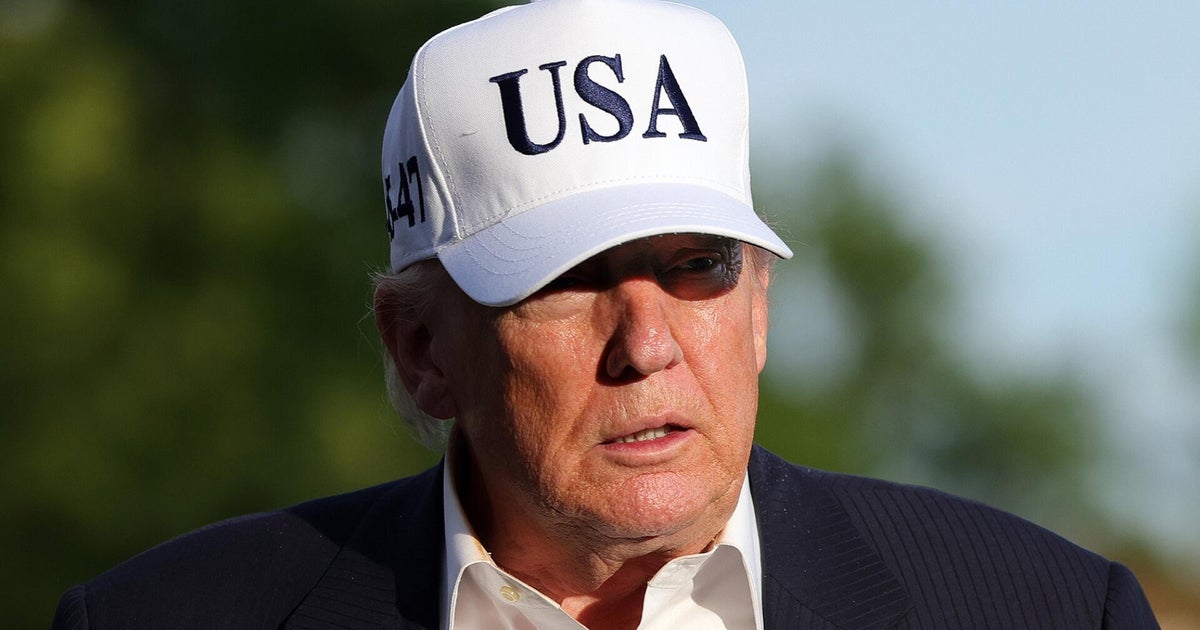
On Friday evening, President Trump took to the Truth Social platform to announce the successful execution of a meticulously planned and complex mission to take down Abu-Bilal al-Minuki, a leading figure in the Islamic State group. This joint mission between the U.S. and Nigerian military forces resulted in the death of al-Minuki, who was regarded as the Islamic State’s second-in-command globally and the most active terrorist worldwide.
In his post, Trump wrote, “He will no longer terrorize the people of Africa, or help plan operations to target Americans. With his removal, ISIS’s global operation is greatly diminished.” The President’s words encapsulate the significance of this event and its potential impact on the global war against terrorism.
Abu-Bilal al-Minuki was a native of Nigeria. His involvement with the Islamic State, or ISIS, extended to the Sahel region of Africa. His role as a senior official in the Islamic State’s General Directorate of Provinces offices was a cause for concern for international security agencies. The U.S. State Department, in 2023, described these offices as being responsible for providing operational guidance and funding to ISIS operations worldwide, further highlighting al-Minuki’s influence within the organization.
In 2023, al-Minuki also found himself on the Treasury Department’s specially designated global terrorist list. This inclusion came with steep sanctions, an indication of the U.S. government’s commitment to crippling the financial abilities of terrorist groups and their leaders.
The Islamic State has experienced a significant downturn since the U.S., along with its regional allies, Iran, and other forces, began reclaiming large areas of territory in Iraq and Syria from the group’s control starting in 2017. While ISIS has been largely pushed back, the U.S.-designated terrorist group and its affiliates have managed to maintain a presence in parts of the Middle East and Africa. They continue to carry out insurgent attacks, indicative of the persistent risk they pose.
ISIS’s West Africa branches, in particular, have established a presence in Nigeria and the Sahel, extending to Burkina Faso, Mali, and Niger. These countries have reported suspected attacks by the Islamic State in recent months. Notable incidents include an offensive on a military base in Nigeria and conflicts with other Islamist groups. These reports come from the International Crisis Group, an organization dedicated to preventing and resolving deadly conflict.
In response to this threat, President Trump ordered strikes on Islamic State targets in Nigeria on Christmas Day of the previous year. According to the U.S. military’s Africa Command, these strikes resulted in the death of multiple ISIS terrorists situated in camps.
Trump has also been vocal in his criticism of Nigeria’s approach to dealing with terrorism. Last fall, he urged the country to intensify its efforts against terrorism, accusing it of failing to adequately address rampant violence against Christians. The Nigerian government has since refuted these allegations, denying any allowance of religious persecution.
Analysts have added to this conversation, stating that both Muslims and Christians have been victims of the insurgency in northern Nigeria. This situation paints a picture of a country grappling with religious and political unrest, further complicated by the presence and activities of terrorist organizations like ISIS.
Despite these challenges, the successful mission against al-Minuki marks a significant victory in the fight against global terrorism. It serves to underscore the effectiveness of international cooperation and strategic planning in neutralizing threats to global peace and security.
As the world continues to grapple with terrorism, these successes are crucial in maintaining the morale of the international community. They serve as reminders of the progress made and fuel the determination to eradicate terrorism in all its forms. The death of al-Minuki is, therefore, not just a victory for the U.S. and Nigeria but for all nations committed to ending the threat of terrorism.
As the fight against ISIS and other terrorist organizations continues, the focus now shifts to the aftermath of al-Minuki’s death. It remains to be seen how this significant blow to ISIS’s leadership will impact the group’s operations going forward. However, the hope is that this event will significantly weaken the organization’s global influence and operational capacity, ushering in a safer world for all.