The humanitarian crisis in Somalia is escalating at a rapid pace, surpassing initial projections and expectations. George Conway, the top aid official for the United Nations in Somalia, has expressed grave concerns about the worsening situation. The ongoing conflict in the Middle East and the global supply chain crisis have exacerbated the already dire conditions in the country.
Children are bearing the brunt of the crisis, with nearly two million young children suffering from acute malnutrition. These children are dangerously undernourished and physically weakened, putting them at a high risk of illness and death. Conway emphasized that almost half a million children are so severely malnourished that they require immediate treatment to survive.
The impact of the conflict in the Middle East on Somalia’s healthcare system has been significant. The UN Children’s Fund (UNICEF) highlighted the lack of access to healthcare in many areas due to disruptions caused by the conflict. Ricardo Pires, a spokesperson for UNICEF, pointed out that the supply chain delays have made it challenging to provide treatment for diseases linked to acute hunger.
According to the Integrated Food Security Phase Classification (IPC) platform, nearly one in three people in Somalia is facing critical food insecurity. The assessment defines famine as a situation where at least one in five households experience extreme food shortages, leading to starvation and destitution. Conway stressed the urgent need for assistance in South West state, specifically in the Barakaba district, where there is a credible risk of famine.
Despite some relief brought by the current Gu rainy season, concerns are growing that the rainfall may not be sufficient to alleviate the crisis. This has heightened the need for humanitarian assistance, which is becoming increasingly expensive. The drought situation in Somalia has persisted since 2024, further exacerbating the challenges faced by the population.
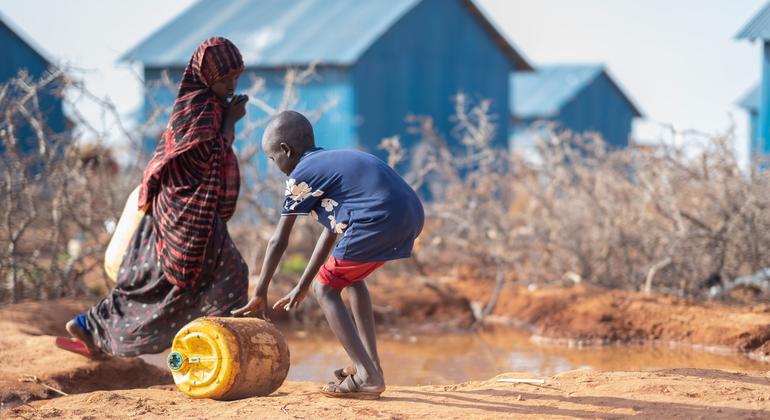
The rising cost of fuel has also had a significant impact on the crisis in Somalia. Many communities rely on water trucking due to the drying up of water sources, leading to increased costs for this essential service. Conway highlighted how the cost of water trucking has tripled in some locations over the past month, putting additional strain on vulnerable communities.
Ready-to-use therapeutic food (RUTF) is crucial for treating children suffering from severe hunger, but its supply is at risk due to the ongoing crisis in the Middle East. The rising fuel prices, particularly affecting air freight, have made it challenging to transport essential supplies like RUTF to Somalia. Pires explained that the cost of air freight has become prohibitively expensive, making it difficult to ensure the continued supply of life-saving treatments for children in need.
The situation in Somalia is dire, with millions of children and adults facing acute malnutrition and food insecurity. The impact of the conflict in the Middle East and the global supply chain crisis has further exacerbated the already challenging conditions in the country. Humanitarian organizations like UNICEF are working tirelessly to provide assistance to those in need, but the escalating crisis and rising costs pose significant challenges to their efforts. Immediate action is needed to address the growing humanitarian crisis in Somalia and prevent further suffering and loss of life.