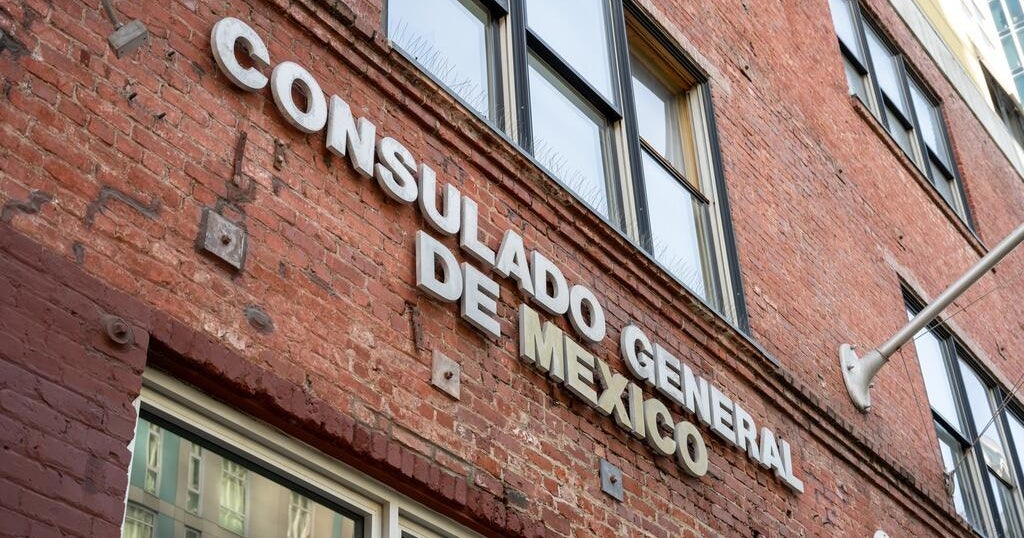
In an unprecedented audit of diplomatic relations between the United States and Mexico, the State Department has embarked on a comprehensive assessment of all 53 Mexican consulates across the United States. This review, announced by a high-ranking U.S. official to CBS News, brings under scrutiny the largest network of foreign consular offices on American soil, driven by heightened tensions over security issues and cartel violence.
The review arises amidst contentious episodes straining the bilateral relations, notably the tragic incident last month that resulted in the deaths of two American CIA officers during a counter-narcotics operation in northern Mexico. This incident has significantly strained diplomatic interactions, raising questions on the coordination and authorization of such operations.
This sweeping review spearheaded by Secretary of State Marco Rubio is perceived as a protective measure aligning with Donald Trump’s broader “America First” foreign policy agenda. Dylan Johnson, the Assistant Secretary of State for Global Public Affairs, conveyed to CBS News that, “The Department of State is constantly reviewing all aspects of American foreign relations to ensure they are in line with the President’s America First foreign policy agenda and advance American interests.”
The scope of Mexico’s consular services in the U.S. is unprecedented, both in scale and geographic spread, predominantly concentrated in border states such as California, Texas, and Arizona that have large Mexican American populations. These consulates play a vital role in providing essential documentation and legal services to millions of Mexican nationals residing in the U.S.
Historically, U.S. decisions to shutter foreign consulates have been indicative of fracturing diplomatic ties. For instance, the closure of China’s consulate in Houston in 2020 amidst accusations of espionage and intellectual property theft, and the closure of Russian diplomatic offices in 2017 following diplomatic expulsions from Moscow, underlined deteriorating U.S.-foreign relations.
In response to the State Department’s actions, Mexican President Claudia Sheinbaum expressed confusion and concern indicating a lack of prior communication regarding the review, but remained optimistic, stating, “there would be no reason for it because the consulates are very respectful of U.S. politics.”
Furthermore, tensions were exacerbated by the unclear circumstances surrounding the fatal crash in Mexico that took the lives of the American CIA officers alongside two Mexican investigators. This tragedy unfolded in a remote mountainous region targeting suspected drug laboratories. The incident escalated political discourse as Sheinbaum speculated that the American officers may not have had proper authorization from the federal government, demanding explanations from the Trump administration.
The diplomatic rift widened further when the U.S. introduced drug trafficking and weapons charges against significant Mexican political figures, issuing extradition requests including one for Sinaloa Governor Rubén Rocha Moya. As the accusations surfaced, Mexico’s Foreign Ministry reacted by requesting credible evidence from the U.S. Justice Department to aid in local investigations.
In a move signaling his cooperation, Governor Rocha announced temporarily stepping down to focus on his defense. As these allegations unfold, the U.S. Embassy reinforced the shared commitment between the two nations to battle corruption and organized crime, asserting that such corruption facilitating crime “will be investigated and prosecuted wherever U.S. jurisdiction applies.”
Simultaneously, under the leadership of CIA Director John Ratcliffe, a concerted effort has been mounted to intensify the U.S. counternarcotics mission in Mexico. This includes enhanced intelligence sharing and strategic deployment of surveillance drones over regions beleaguered by cartel activity. However, these expanded activities stir discomfort in Mexico over perceived encroachments on sovereignty and security cooperation with the Trump administration, particularly against the backdrop of President Trump’s statements regarding potential unilateral military actions against cartels.
The broader implications of the U.S. State Department’s consulate review encapsulate a myriad of diplomatic, legal, and security-related questions which continue to evolve. This pivotal moment in U.S.-Mexico relations underscores the intricate dance between cooperating on essential security interests and respecting national soverignties.
As tensions simmer and diplomats strive to navigate the complex terrain of international law and bilateral agreements, the global audience awaits outcomes that will inevitably shape the dynamic landscape of North American diplomacy. Whether this review leads to a restructuring of Mexican consular services in the U.S. or fosters a renewed strategy on bilateral cooperation remains a matter of intense speculation and keen interest.