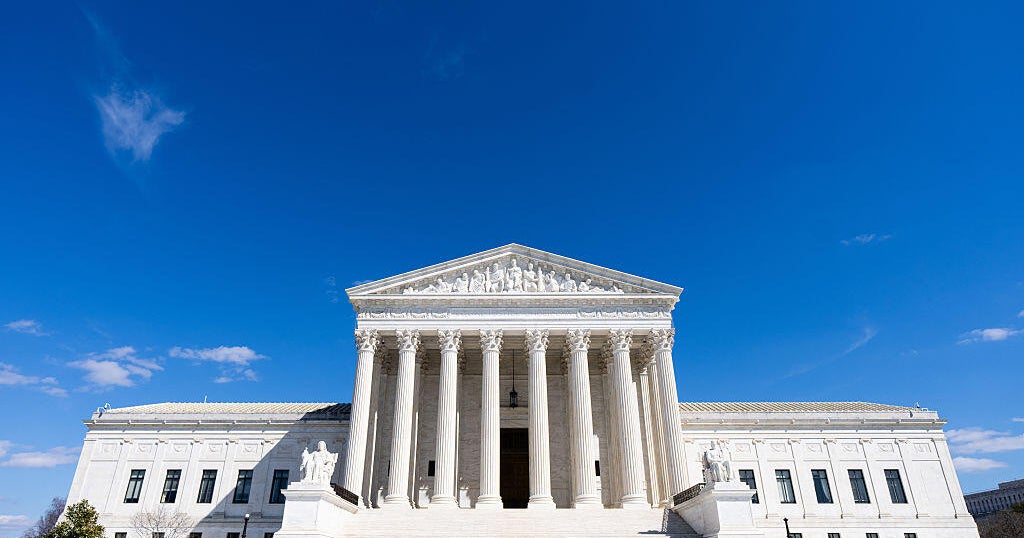
In a landmark ruling that has reignited intense debates about the intersection of free speech, professional conduct, and LGBTQ rights, the U.S. Supreme Court recently made a critical decision affecting Colorado’s legislative approach to conversion therapy. The Court, in an 8-1 decision, sided with Kaley Chiles, a counselor who challenged Colorado’s law that bans conversion therapy for minors, marking a pivotal moment in the ongoing discourse surrounding the rights of mental health professionals and the protection of young LGBTQ individuals.
The focal point of the Court’s decision revolved around the First Amendment, particularly how it applies to the speech of professionals like Chiles. She argued that her method of talk therapy, which she describes as “faith-informed,” was being unjustly suppressed by the state law because it prohibits specific types of discussions centered on sexual orientation and gender identity. Chiles contends that such a ban impedes on her ability to use speech as part of her therapeutic approach to help minors navigate complex feelings related to their sexual orientation or gender identity.
Colorado’s law, known formally as the Minor Conversion Therapy Law, was instituted in 2019 with the intention to shield minors from the potential harms of conversion therapy—a practice that aims to alter an individual’s sexual orientation or gender identity and that has been widely discredited by major medical associations. Under this law, mental health professionals are prohibited from engaging in any practice or treatment designed to change a minor’s sexual orientation or gender identity. Violations of this law could result in significant penalties, including fines up to $5,000, suspensions, or the revocation of a practitioner’s license.
The legal battle reached the Supreme Court after lower courts upheld the law, deeming it a regulation of professional conduct rather than a restriction on free speech. However, the Supreme Court’s ruling criticized these interpretations. Writing for the majority, Justice Neil Gorsuch emphasized that the law did more than regulate professional conduct—it actively discriminated against specific viewpoints. Justice Gorsuch argued that such discriminatory practice was a violation of the First Amendment, which serves as a protective shield against government-enforced thought orthodoxy.
Justice Ketanji Brown Jackson, the lone dissenter in this case, offered a starkly different perspective. She warned that the majority’s decision could dangerously overextend constitutional protections into areas traditionally regulated by states, such as medical and professional standards. Jackson argued that this ruling could undermine the state’s ability to safeguard the well-being of its citizens, particularly vulnerable groups like minors undergoing therapy.
In the aftermath of the decision, reactions were mixed. Jim Campbell, chief legal counsel at the Alliance Defending Freedom who represented Chiles, praised the ruling as a victory for free speech and families seeking to support their children in ways that they see fit. On the other hand, Colorado Attorney General Phil Weiser expressed disappointment, viewing the decision as a setback in efforts to protect children from what he termed as “harmful and discredited mental health practices.”
This ruling is part of a broader trend in which the Supreme Court has had to balance the rights of individuals and groups holding religious beliefs against the rights and protections extended to the LGBTQ community. Previous decisions from the Court have both expanded LGBTQ rights—such as the legalization of same-sex marriage in 2015 and employment protections for LGBTQ individuals in 2020—and recognized protections for religious freedom that have sometimes allowed for exemptions from general laws.
The implications of this latest decision are profound and multifaceted. It compels lower courts to apply the most rigorous scrutiny when examining laws like Colorado’s conversion therapy ban, setting a high threshold for justifying any restrictions on professional speech. This may prompt other states with similar laws to reassess and possibly adjust their regulations to withstand heightened judicial scrutiny.
As the nation grapples with the implications of this ruling, the discourse enveloping freedom of speech, professional responsibility, and the protection of LGBTQ youths continues to evolve. This case not only reflects the complexities inherent in balancing these areas of concern but also underscores the ongoing societal debate over the most ethical and legal approaches to therapy and treatment for LGBTQ individuals. The Supreme Court’s ruling thus not only impacts the parties involved but also sets important legal and ethical benchmarks that will influence future cases and legislative measures across the United States.