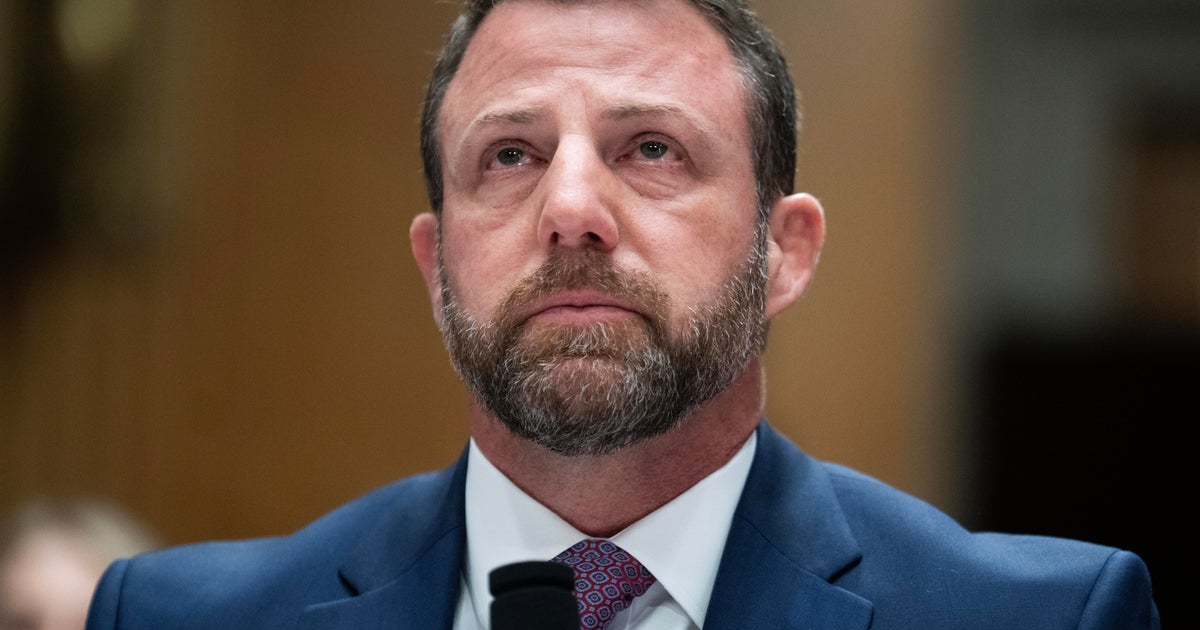
Washington, D.C. – In a significant development in U.S. politics, the United States Senate made strides in confirming Senator Markwayne Mullin as the new Secretary for the Department of Homeland Security (DHS). The move, which took place on a noteworthy Sunday session, marked a pivotal moment following former Secretary Kristi Noem’s contentious tenure and departure amid critical issues faced by the department.
Senator Mullin, a Republican hailing from Oklahoma, received a vote of 54 to 37 in favor of advancing his nomination. This notable outcome saw two Democrats break ranks to join the Republicans, bolstering Mullin’s path towards final confirmation, which awaited in the subsequent days. Mullin, aged 48, transitioned to the Senate in early 2023 after a solid ten years representing Oklahoma in the House of Representatives. His tenure in Congress, coupled with his background as a businessman and former mixed martial arts (MMA) fighter, added a distinctive flavor to his political and leadership style.
Mullin is far from a novice in Congressional dynamics, where he is seen as a key figure orchestrating coordination between the Senate, the House, and the White House. Since his nomination, he has won substantial support within his party and even gained favors from several Democrats, indicating a likely smooth sail towards confirmation. However, this journey hit a rocky patch following dramatic scenes during his confirmation hearing.
The confirmation hearing, critical in evaluating a nominee’s suitability for office, saw Senator Rand Paul—Chairman of the Senate Homeland Security Committee and a Kentucky Republican—launch direct criticisms against Mullin. The allegations against Mullin were severe: Paul accused him of not only calling Paul a “freaking snake” but also of endorsing violence, citing Mullin’s comments on understanding the motivations behind a physical attack on Paul back in 2017. These allegations stemmed from significant ideological and personal differences, casting doubt on Mullin’s suitability for leading a department as critical as the DHS, which requires a balanced approach to force and authority.
Despite the challenges and lack of support from Senator Paul, Mullin’s nomination advanced from the committee, significantly aided by Democratic Senator John Fetterman of Pennsylvania alongside other Republicans—showcasing a complex interplay of political alliances and stances.
The backdrop to Mullin’s nomination was tumultuous, characterized by the fallout of outgoing Secretary Kristi Noem, who faced harsh scrutiny over the DHS’s handling of immigration enforcement. Only days before the announcement of her replacement, Noem was criticized during multiple hearings concerning the department’s controversial expenditures on advertising. Under such circumstances, Mullin promised a different leadership approach, focusing on empowering people, a stance that appeared to resonate with some bipartisan support despite the contentious atmosphere.
The importance of efficient leadership at the DHS was further underscored by the ongoing government shutdown affecting the department following a standstill over how to reform its immigration policies. This impasse led to operational chaos, particularly highlighted by disruptions at airports as Transportation Security Administration (TSA) agents continued working without pay. The administration resorted to temporary measures like deploying Immigration and Customs Enforcement (ICE) agents to support TSA activities—a bandage solution indicating deeper systemic issues.
Negotiations aimed at resolving the standoff involved intense discussions with Border Czar Tom Homan and a bipartisan cadre of senators, striving to find common ground on the contentious issues plaguing the department.
The entire episode of Mullin’s nomination and the broader DHS controversies occurred alongside the Senate’s engagement with other pressing legislative agendas, including a major bill on election reforms which the president heavily advocated for.
As the Senate geared up for Mullin’s final confirmation, the broader implications of his potential leadership loom large for the DHS. With a complex array of challenges ranging from immigration to national security, Mullin’s ability to navigate these issues effectively remains to be seen. Meanwhile, the political landscape continues to evolve, with each development adding layers to the ongoing narrative of governance, leadership, and accountability in U.S. politics.