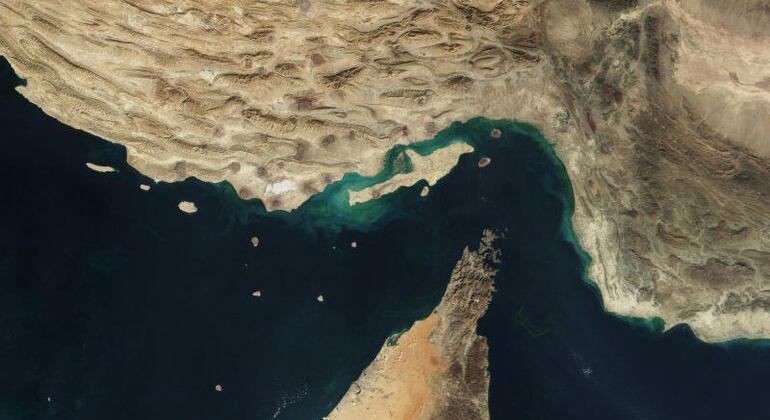
The humanitarian crisis resulting from ongoing conflict in the Middle East continues to worsen, with escalating numbers of casualties, injuries, and destruction of civilian infrastructure. The impact on the global economy is also becoming more severe as the conflict persists. Efforts by the United Nations to assist affected civilians and reduce the conflict’s intensity are ongoing, but urgent action is needed to mitigate the consequences of the crisis.
The Secretary-General has emphasized the need for immediate action to address the deepening humanitarian fallout. The prolonged closure of the Strait of Hormuz to maritime trade has led to significant disruptions in the movement of essential goods such as oil, gas, and fertilizers, particularly during the critical global planting season. Tanker traffic in the strait has decreased by over 90%, posing a threat to agricultural production and global food security, according to the UN Food and Agriculture Organization (FAO).
The crisis has resulted in major disruptions to global humanitarian supply chains, comparable to the challenges faced during the COVID-19 pandemic and the conflict in Ukraine. Humanitarian supply lines across the Middle East are being severely affected, jeopardizing the timely delivery of life-saving food, medical supplies, and emergency aid to millions of people. The situation demands urgent attention and coordinated efforts to address the growing humanitarian needs in the region.
As the conflict shows no signs of abating, the Secretary-General has announced two crucial initiatives to address the crisis. The first initiative involves the appointment of a special envoy to lead UN peace efforts in the region. The second initiative establishes a dedicated Task Force on the Strait of Hormuz, aimed at ensuring safe and reliable transit for humanitarian purposes through the critical maritime corridor.
The Task Force, led by Jorge Moreira da Silva, Executive Director of the United Nations Office for Project Services (UNOPS), will work to facilitate the trade of commercial fertilizers and related raw materials, essential for agricultural production. Representatives from UNCTAD, the International Maritime Organization (IMO), and the International Chamber of Commerce will also be part of the Task Force. Their focus will be on supporting the safe movement of goods through the strait to prevent a humanitarian crisis in the Middle East and beyond, particularly in regions heavily reliant on fertilizer imports.
The Task Force’s approach draws inspiration from previous UN initiatives, such as the Verification and Inspection Mechanism in Yemen, the Black Sea Grain Initiative on exports from Ukraine, and the UN Special Mechanism for Gaza aid delivery outlined in Security Council resolution 2720 (2023). The operationalization of the mechanism will involve close consultation with relevant Member States, while respecting national sovereignty and established international legal frameworks.
If successful, the Task Force’s efforts could help build confidence among Member States in a diplomatic approach to resolving the conflict and preventing further humanitarian crises. The UN remains committed to addressing the urgent needs of civilians affected by the conflict and working towards a peaceful resolution to the crisis in the Middle East.