Christian leaders from various sects, including Catholics, Evangelicals, and Baptists, are expressing concerns about the rapid advancements in AI technology and its potential impact on society. While these leaders are not necessarily opposed to technology, they are worried about the real-world harms that could arise from the unchecked progress of AI. They have been vocal in sermons, open letters, and private conversations with political leaders, urging caution and calling for more oversight and regulation to protect human relationships, labor, and the church itself. With white evangelicals making up a significant portion of American voters, their stance on AI could influence policy debates and public perception, particularly as the midterms approach.
John Litzler, the general counsel and director of public policy at the Baptist General Convention of Texas, emphasizes the importance of prioritizing the soul of individuals in the country over material gain. He quotes Christ’s question, “What does it profit a man to gain the world and lose his soul?”, to highlight the ethical considerations that should be taken into account when developing and deploying AI technologies. This moral perspective is guiding Christian leaders in their advocacy for more ethical and responsible use of AI, especially in light of potential negative consequences on society.
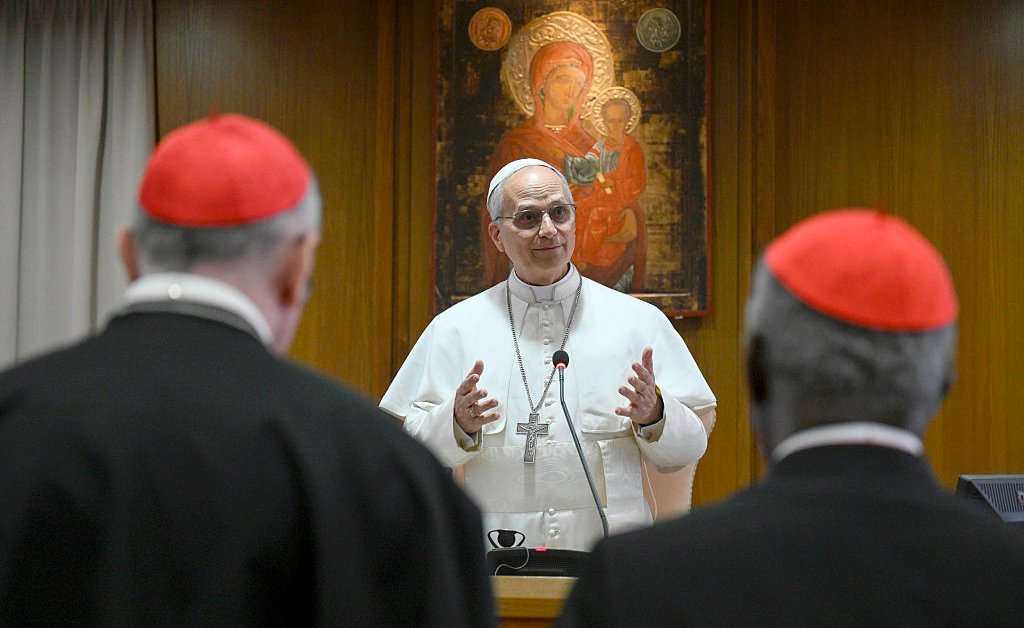
At the highest levels of the Catholic Church, Pope Leo XIV has also expressed concerns about AI’s impact, choosing his name as a reference to a previous technological revolution that disrupted society. He has highlighted the potential of AI to spread the Gospel but has also warned about its ability to manipulate children and promote “antihuman ideologies.” This stance reflects the broader sentiment among Christian leaders who are calling for a more careful and thoughtful approach to integrating AI into various aspects of society.
In response to these concerns, a group of influential bishops wrote a letter to the U.S. Congress with policy recommendations on AI, urging lawmakers to consider the ethical implications of AI development and deployment. This proactive approach by Christian leaders is aimed at shaping policy debates and ensuring that adequate safeguards are in place to protect individuals and society from potential harms associated with AI. By engaging with political leaders and the general public, these leaders are seeking to raise awareness and promote responsible AI governance.
Overall, the resistance of Christian leaders to the rapid advancement of AI technology reflects a broader societal debate about the ethical implications of AI and the need for greater oversight and regulation. By emphasizing the importance of preserving human relationships, labor, and ethical values in the face of technological progress, these leaders are advocating for a more thoughtful and conscientious approach to AI development. Their influence, particularly among white evangelicals in the U.S., could potentially impact policy decisions and public perception of AI as the technology continues to evolve.