In a significant crackdown by federal law enforcement in the United States, four individuals associated with a far-left anti-establishment organization were arrested for allegedly orchestrating a series of bomb attacks planned for New Year’s Eve across Southern California. The group, identified as the Turtle Island Liberation Front, is described by officials as aligning with far-left, pro-Palestine, anti-government, and anti-capitalist ideologies. The announcement came through coordinated statements from the highest levels of the U.S. Justice Department, with both Attorney General Pam Bondi and FBI Director Kash Patel acknowledging the gravity and extent of the thwarted attacks.
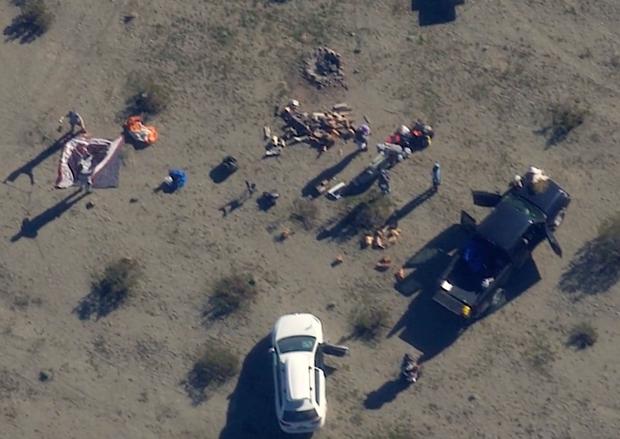
The individuals arrested were planning to target major logistics centers in the Central District of California, which includes Los Angeles and Orange County. Bill Essayli, leading the U.S. Attorney’s Office in Los Angeles, detailed how the suspects were caught on Friday in San Bernardino County as they were testing their assembled explosive devices in the Mojave Desert. Essayli described their efforts as a “detailed, coordinated plot” aiming for simultaneous explosions at the stroke of midnight on New Year’s Eve.
The gravity of the situation was underscored by surveillance footage, presented by officials at a press briefing, showcasing the group members in the desert, actively preparing the devices. The timely intervention of the FBI prevented the completion and deployment of these bombs.
The arrested suspects, namely Audrey Carroll, Zachary Page, Dante Gaffield, and Tina Lai—all residents of the Los Angeles area—now face serious charges, including conspiracy and possession of unregistered destructive devices. Additionally, another individual, Micah James Legnon, was apprehended in Louisiana under the charge of making threats across state lines. Having served in the U.S. Marines, Legnon was found with an array of weapons and gear suggesting preparedness for substantial violence.
This plot brings to light the broader context of an emerging pattern where radical ideologies manifest into plans of violence and disruption. The Turtle Island Liberation Front, though not widely known—with limited social media followings—positions itself as a political group advocating for “liberation through decolonization and tribal sovereignty.” Furthermore, it aligns ideologically and operationally with movements that have been under intense scrutiny under recent federal policies targeting domestic terrorism.
President Trump’s administration has been vocal and active in denouncing such far-left groups, having marked antifa and similar movements as significant domestic terrorism threats. This approach led to the signing of a memorandum for developing a national strategy to investigate and dismantle networks believed to incite political violence. Moreover, an executive order labeled antifa as a “domestic terrorist organization,” highlighting the administration’s stance on these groups, despite their decentralized and amorphous nature.
The response from academia provides a nuanced view of the situation. Michael Kenney, a University of Pittsburgh professor specializing in political violence and high-risk activism, suggests that Turtle Island Liberation Front appears to be a small but impactful player within a larger network of radical groups. The recent events could likely be the actions of a splinter faction within the group, indicating a possible escalation from activism to outright violence. According to Kenney, while the group’s ideological stance and digital activism are clear, the transition to planning detailed attacks introduces a dangerous new chapter in their operations.
This case, according to federal officials, was highlighted by the active role of participants such as Carroll, who is accused of drafting a detailed bombing blueprint in November and was actively engaged in sourcing materials and assembling the devices alongside co-conspirator Page. Their alleged discussions also included plans to target federal immigration agents and their vehicles with pipe bombs post the New Year’s Eve bombings.
The unraveling of this plot through coordinated federal action emphasizes the continued vigilance needed in tracking and intervening against radicalized groups intent on leveraging political violence to further their ideologies. The societal and political implications of such violence, if executed as planned, could have been catastrophic, underscoring the fragile balance between freedom of expression and the imminent threat of extremist violence.
As the legal processes unfold, the broader discourse around domestic terrorism, political radicalization, and the response mechanisms will likely intensify, feeding into national debates over public safety, governance, and the role of law enforcement in preempting threats of terrorism grounded in ideologically extreme positions.