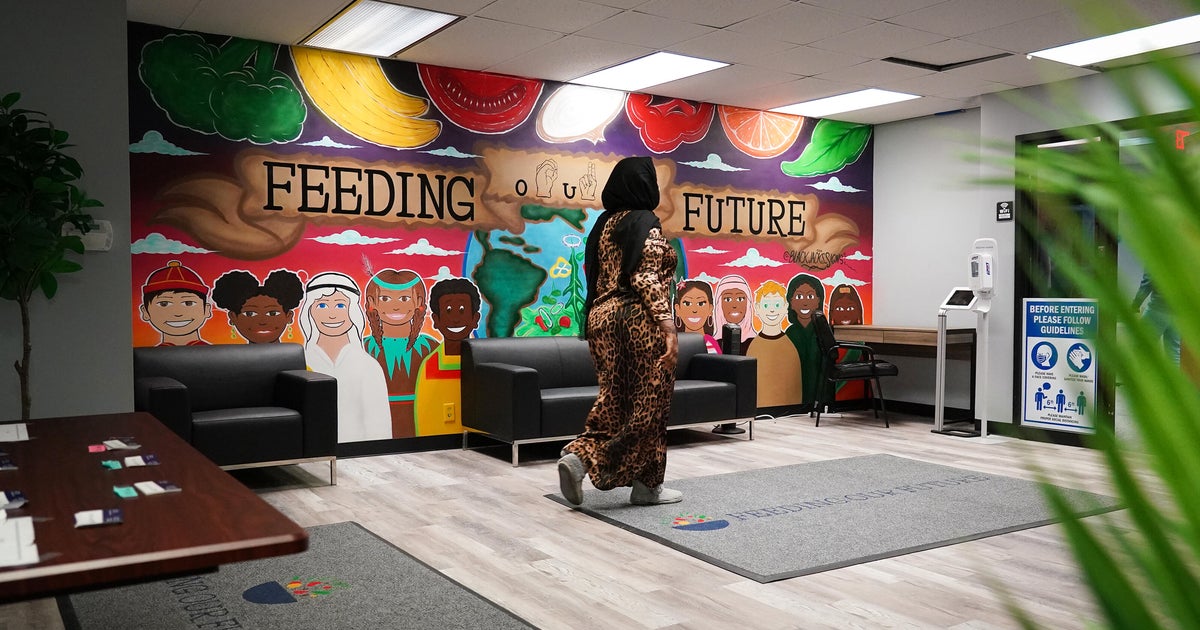
In July 2019, when Minnesota was just beginning to feel the governance of their newly appointed Democratic Governor, Tim Walz, state officials stumbled upon early signs of fraudulent activities linked to a charitable organization named Feeding Our Future. This discovery would soon unravel a widespread scandal involving the theft of over $1 billion in taxpayer funds—a scheme so massive that, by its height, it was described by then-Attorney General Merrick Garland as the largest pandemic relief fraud in U.S. history. However, even with such early detection, the response from the state officials was heavily influenced under pressure from the group’s leaders, creating barriers to the state’s inquiries.
Initially, the fraudulent activities centered on funds intended to support the underprivileged sectors of society—those who are poor, food insecure, or disabled. These misdeeds began to surface just a few months after Governor Walz took office and significantly escalated due to the COVID-19 pandemic. In its early stages, members of Feeding Our Future billed the state for some $3.4 million. By 2021, this figure spiraled out of control as the organization falsely claimed it had distributed 91 million meals and, in turn, received nearly $250 million in federal funds. As federal prosecutors later established, the allegedly distributed meals were fictitious, and the considerable sum of money was instead channeled into supporting extravagant lifestyles of those involved in the fraud.
This financial exploitation exploited the channels of the U.S. Department of Agriculture (USDA) funds, with oversight responsibilities tasked to state governance structures like the Minnesota Department of Education. Typically, these funds were distributed through day care centers and schools to provide meals. However, the pandemic prompted a rapid adjustment to regulations, allegedly stripping away necessary protections to prevent misuse of the funds, all under the banner of preventing hunger during the pandemic.
The wrongdoing came to greater public attention following a lawsuit filed by Feeding Our Future in 2020. They accused the state of imposing disproportionate procedural hurdles that differed from federal guidelines. More provocatively, they charged that this behavior was discriminatory, based on racial and religious biases. This was during a period of heightened racial tension following the murder of George Floyd by a Minneapolis police officer. However, by January 2022, this civil case was dismissed after the FBI conducted raids on Feeding Our Future, uncovering substantial evidence of their fraudulent activities.
As of the last report, a total of 78 people had been charged in connection with the case, with 59 convictions already secured. Noteworthy among those convicted is Aimee Bock, the alleged architect of the fraud, who vigorously denies any wrongdoing and is currently planning to appeal her conviction. According to Bock’s attorney, these charges do not hold, hinting at a possibility that deeper systemic failures within state departments might have contributed to the perpetration of the fraud.
Amidst these developments, the scandal has also reignited racial controversies. Much of the attention, especially from conservative circles led by figures such as President Trump, has implicated Minnesota’s significant Somali community, given that a number of the accused are of Somali descent. President Trump’s harsh critiques have escalated to derogatory levels, making racially charged comments that have been broadly denounced as racist and divisive by Governor Walz and other community leaders.
Governor Walz, in defending the Somali community, emphasized the isolated nature of the fraud cases among a few individuals, criticizing broad stereotypes and accusations as lazy and harmful. Furthermore, ongoing investigations continue to unravel more fraud cases linked to the pandemic relief funds, now extending into housing assistance and behavioral health services with additional indictories.
House Republicans have initiated an investigation into Governor Walz’s administration’s handling of the fraud, delving into the timeline and reaction to the uncovering of the fraud. Critics argue the response was too slow and ineffective, potentially allowing millions of dollars to be funneled away from needy beneficiaries.
In summary, this large-scale scam not only highlights grave vulnerabilities in managing federal relief funds but also illustrates the broader societal and political ramifications stemming from how such crises are managed and communicated. The narrative of Feeding Our Future continues as layers of complication unfold, involving legal battles, political blame games, and community impacts that will resonate across the fabric of Minnesota society.