In a significant development emerging from Washington, Congress has decided to take a firm stance on obtaining transparency from the Pentagon regarding the controversial airstrikes on alleged drug-smuggling operations near Venezuela. As stipulated in the newly unveiled compromise version of the National Defense Authorization Act (NDAA), a key conditional clause has been included that directly impacts the Pentagon’s financial resources, specifically targeting Defense Secretary Pete Hegseth’s travel budget.
The NDAA, a crucial annual defense policy bill that has successfully passed Congress for over sixty years, saw its latest version being revealed by lawmakers on Sunday. This version proposes an expansive budget nearing $901 billion for defense purposes and enjoys bipartisan support, suggesting that it will clear both the House and Senate without significant hurdles.
One of the most contentious provisions embedded deep within the bill’s 3,086 pages—reported first by Politico—is set to withhold a quarter of the allocated travel funds for Secretary Hegseth’s office. The release of these funds is contingent upon the Pentagon providing the House and Senate Armed Services committees with unedited video footage of the strikes conducted against targeted drug boats under the jurisdiction of the U.S. Southern Command. Moreover, the Pentagon is required to submit overdue reports, including lessons learned from the ongoing conflict in Ukraine, further tightening the conditions for releasing the withheld funds.
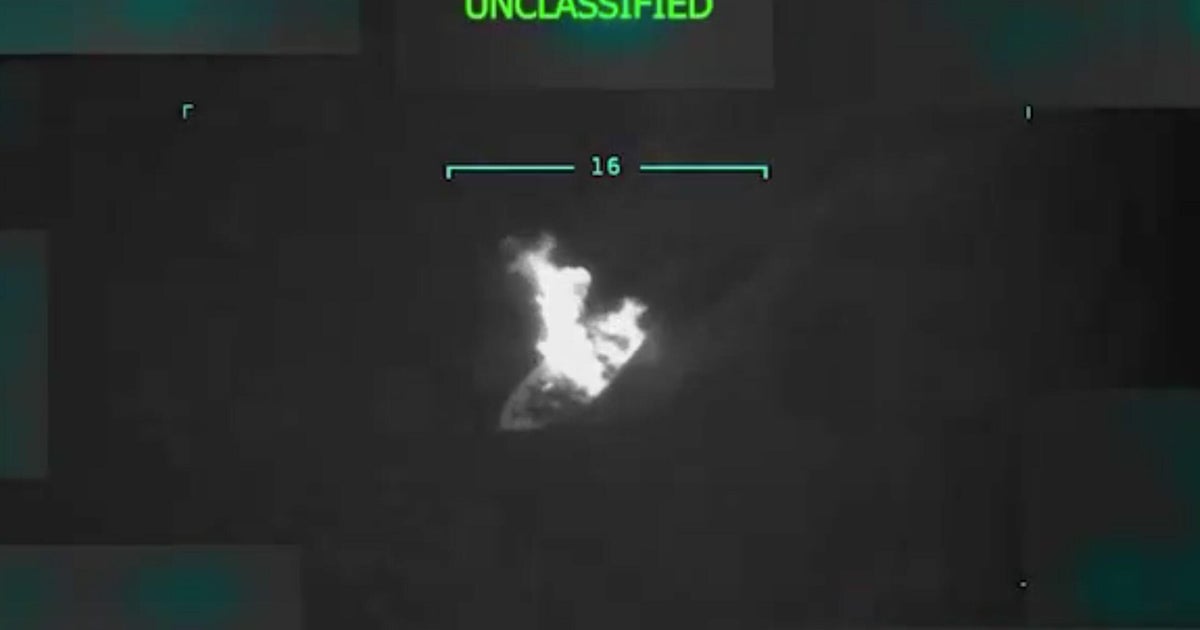
The background of this provision arises from a specific event on September 2, wherein an airstrike targeted a boat in the Caribbean Sea, leaving two survivors initially. Subsequent revelations indicated that these survivors were killed in a second, follow-up strike—a detail confirmed by individuals familiar with the covert footage who noted that the individuals appeared to be signaling overhead before their deaths. These alarming incidents have led to increased scrutiny over the legality of such military operations, with critics arguing that the killing of unarmed survivors could potentially qualify as a war crime.
The Pentagon, attempting to maintain a degree of transparency, briefed a select group of lawmakers on these incidents last week. Notably, this included a visual account of the September 2 operation, parts of which have been seen in a 29-second video snippet released by President Trump on social media. Despite this release, the full video remains classified, contributing to ongoing debates and calls for full public disclosure. Since these initial strikes in early September, the military has engaged over 20 suspected drug-smuggling boats, resulting in the reported deaths of at least 87 individuals, with the Trump administration maintaining that these actions are within legal boundaries.
Complicating matters further, President Trump initially voiced support for the complete release of the relevant footage, asserting his willingness to publicize whatever material the Pentagon held. However, this stance experienced a reversal when he deferred to Secretary Hegseth’s judgment on Monday, following Hegseth’s hesitance about releasing the video due to concerns that it could compromise ongoing operational strategies in the region.
The situation underscores a critical moment for accountability and oversight in military operations, as Congress asserts its authority by leveraging budgetary powers to demand increased transparency. This move, while not unprecedented, signals a robust approach to governance and oversight, reflecting growing concerns among U.S. lawmakers and the public about the conduct and justification of military operations abroad, particularly in politically sensitive regions.
The disclosure or continued withholding of this footage has significant implications. Politically, it tests the administration’s commitment to transparency while potentially setting precedents for how sensitive military operations are scrutinized and disclosed. Legally, it touches on issues of international law and the ethical dimensions of combat operations, especially involving non-combatant casualties in pre-designated militant zones.
As these developments unfold, key figures including Secretary Hegseth, Joint Chiefs Chair Gen. Dan Caine, and Secretary of State Marco Rubio are scheduled to provide a detailed briefing to congressional leaders and top intelligence committee members, outlining the strategic, legal, and operational rationales behind the strikes. This upcoming briefing, expected to address the concerns andrequirements raised by Congress, will be pivotal in shaping the ongoing legislative and public discourse surrounding U.S. military engagements in the global south.
The unfolding events highlight a crucial juncture in U.S. military and foreign policy, reflecting broader themes of accountability, legality, and transparency that resonate within the domestic and international arenas. As stakeholders from multiple facets of the political and defense spectrum continue to engage with these issues, the outcomes of these discussions will likely influence U.S. military policy and operational transparency for years to come.