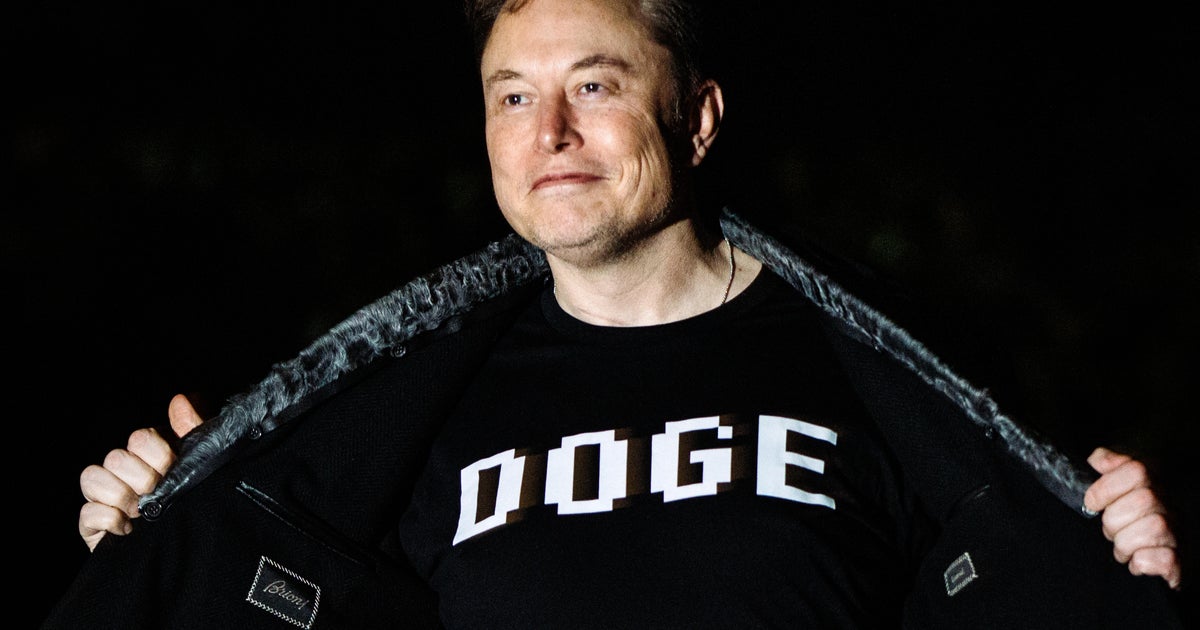
Elon Musk, renowned billionaire and business magnate, recently hinted that he would likely not revisit his past stint as head of the Department of Government Efficiency (DOGE), an initiative under the Trump administration. Musk’s tenure, which lasted six months, was marked by a controversial cost-cutting mission that stirred significant debate.
Known for his innovative and often disruptive approach to business and technology, Musk spent considerable time reflecting on his White House experience in a recent podcast interview with Katie Miller, a former aide to the Trump administration. The podcast, released on Tuesday, offered an almost hour-long discourse on Musk’s involvement in the federal government, his role in DOGE, and whether he viewed the initiative as successful.
When quizzed about DOGE’s efficacy, Musk gave a measured response. He acknowledged that the initiative had been “a little bit successful” but stopped short of declaring it a complete triumph. Musk, who also holds the title of the world’s richest man, conceded that while DOGE had managed to cut funding that was deemed unnecessary and wasteful, the overall success of the initiative was limited.
“We were somewhat successful,” Musk explained, asserting that the initiative “stopped a lot of funding that really just made no sense” and was “entirely wasteful.” However, he was less certain about whether he would repeat his leadership role, given his current knowledge and experience. When Miller posed this question, Musk hesitated before suggesting that he would have preferred to dedicate his time to his businesses rather than leading the cost-cutting mission.
“I think instead of doing DOGE, I would’ve basically…worked in my companies, essentially,” Musk said. He pointed to a series of arson and vandalism incidents that affected his electric car company, Tesla, during his time at DOGE. Musk implied that his focus on the government initiative may have detracted from his ability to manage and protect his businesses effectively.
DOGE, amusingly named after an internet meme, was established just hours after President Trump was inaugurated. Musk, who had donated hundreds of millions to Trump’s presidential campaign, quickly became a fixture at the White House. His influence was not merely symbolic; Musk and his youthful team at DOGE embarked on an intense and comprehensive audit of the executive branch. They shut down programs deemed wasteful and implemented significant reductions to the federal workforce through a combination of layoffs and voluntary buyouts. In some instances, entire agencies, such as the U.S. Agency for International Development, were effectively disbanded.
Musk argued that these drastic measures could potentially save the government hundreds of billions, possibly up to $2 trillion. However, these cost-saving figures, particularly those propagated by DOGE, have been met with skepticism and pushback.
His aggressive drive to streamline the government was exemplified in a February event where he brandished a chainsaw, referring to it as “the chainsaw for bureaucracy.” This unorthodox approach, while resonating with some, found many detractors. Federal workers who faced layoffs and disruptions, as well as Democratic lawmakers who contended that the initiative was exercising excessive power without congressional approval, were among its critics. Numerous lawsuits were filed to halt some of the cuts, but Musk remained firm in his defense of DOGE, arguing that it was necessary for the government to cut its spending.
Musk’s relationship with President Trump, once close and cooperative, deteriorated shortly after Musk exited the White House in late May. They engaged in a public exchange of criticisms and threats, with Musk attacking Trump personally and denouncing his signature tax legislation. Trump retaliated by threatening to remove federal subsidies for Tesla and Musk’s aerospace company, SpaceX.
Musk has since toyed with the idea of launching his own political party, though his plans in this regard remain uncertain. Despite their past disagreements, Musk and Trump appear to have mended their relationship to some degree. Musk was seen at the White House last month attending a dinner with Saudi Arabia’s crown prince.
When asked recently if Musk was back in his circle of friends, Trump said, “I like Elon a lot,” implying that their past rift was largely due to disagreements over subsidies for electric vehicles. “I think we get along well,” he added.
Musk, in his interview with Miller, reciprocated the sentiment. He described Trump as the funniest person he knows, praising the president’s sense of humor. Referencing Trump’s Oval Office banter with New York City Mayor-elect Zohran Mamdani, Musk said, “He’s got a great sense of humor… It’s like naturally funny. It’s somewhat effortless.”
This candid conversation with Musk offers insightful glimpses into the workings of the Trump administration, the billionaire’s time at the White House, and the controversial cost-cutting initiative that he led. It also highlights Musk’s philosophy on business and government, and the lessons he learned from his time at DOGE. Whether or not he would repeat this experience remains uncertain, but his influence on the Trump administration and its policies is undeniably significant.