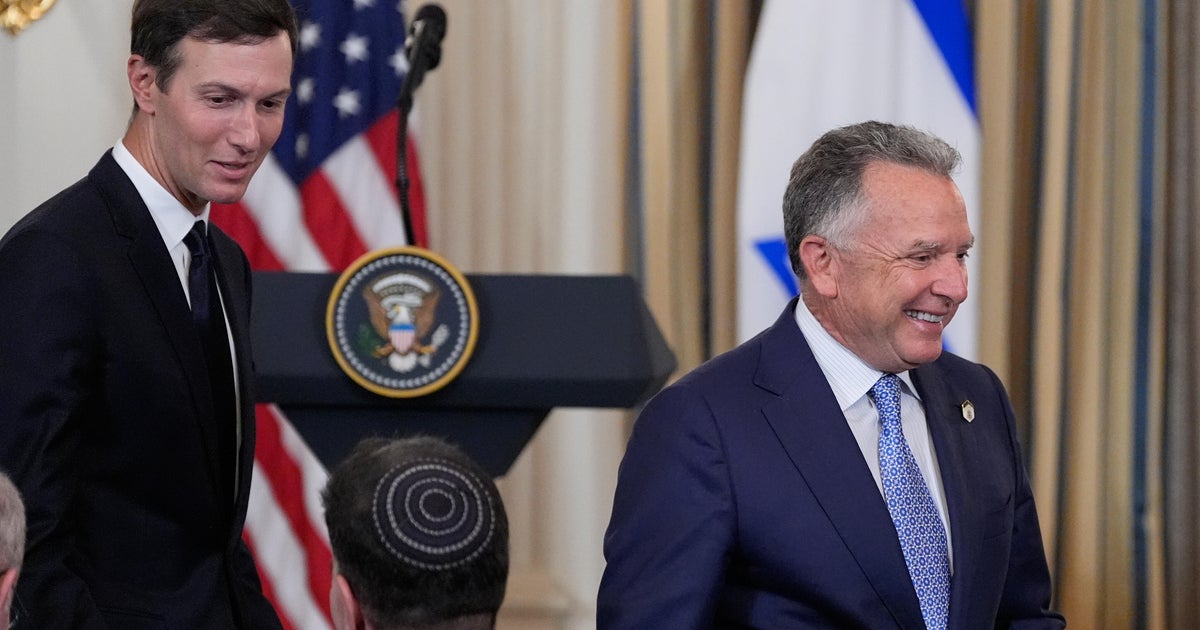
In a significant political development this week, Jared Kushner, son-in-law of President Donald Trump, together with U.S. Special Envoy Steve Witkoff, engaged in high-stakes diplomacy by meeting with Russian President Vladimir Putin in Moscow on Tuesday. This meeting, confirmed by a White House source, is crucial as it comes amid intensified efforts by President Trump to quell the ongoing conflict in Ukraine.
The diplomatic engagement follows a series of discussions over the weekend in Florida involving U.S. and Ukrainian officials. Notably, Witkoff, who has previously engaged with Putin, has redirected his diplomatic efforts towards Ukraine following his success alongside Kushner in mediating a ceasefire between Israel and Hamas. These discussions are driven by an imperative to resolve the violent confrontations that continue to destabilize Ukraine.
During a briefing with reporters post-Sunday’s discussions, President Trump expressed optimism about reaching a viable solution, stating, “I think that there’s a good chance we can make a deal.” This comes in the wake of the U.S. backing a peace proposal last month aimed at ending Russia’s military aggression in Ukraine. However, Putin described the U.S. proposals as merely a “set of issues put forward for discussion,” indicating that these were preliminary talks rather than a conclusive draft agreement.
Further developments occurred last week with Trump indicating minimal remaining points of contention after a U.S. official and Ukraine’s national security adviser, Rustem Umerov, disclosed that a mutual understanding on a proposal had been reached, with finer details still under negotiation.
The evolving nature of the U.S.-backed plan, initially comprising 28 points, was also underscored by President Trump during the weekend. Originally criticized for disproportionately favoring Russian interests—including a contentious provision for Ukraine to relinquish control over certain territories—revisions have been made to make the proposal more balanced. Trump highlighted that significant concessions were being made by the Russians, including ceasing hostilities and halting territorial expansion.
However, these concessions are unlikely to satisfy European leaders, who maintain that Russia should return territories occupied in Ukraine. Additionally, Ukraine has been advocating for robust security guarantees within any agreement to conclude the conflict. Conversely, Russia remains opposed to Ukraine’s potential NATO membership, which would necessitate defense obligations from the U.S. and other alliance members.
In recounting the Florida discussions, U.S. Secretary of State Marco Rubio emphasized the productive nature of the dialogue with Ukrainian officials while acknowledging the complexity of the situation. Rubio stressed not only the goal of ending the current war but also ensuring Ukraine’s long-term security and prosperity, signaling comprehensive support beyond mere conflict resolution.
During an interview with CBS News, Republican Representative Mike Turner from Ohio, who has held significant positions on defense and intelligence committees, admitted ongoing concerns regarding the tilt of the White House’s strategy towards Russian interests. Turner’s remarks underscore a balancing act in U.S. foreign policy aiming to prioritize American interests while countering Russian adversarial actions.
Field reports from CBS News’ senior foreign correspondent Holly Williams indicate that peace remains elusive on the ground with ongoing Russian missile attacks in Kyiv, underscoring the urgency of diplomatic breakthroughs.
The critical role of Special Envoy Witkoff came to light following a published transcript by Bloomberg last week, where he advised Yuri Ushakov, a senior Putin aide, on negotiation tactics with President Trump. The White House responded to this revelation, asserting Witkoff’s active and balanced engagement with both Russian and Ukrainian officials as essential to his mandate to foster peace, a testament to his negotiation prowess celebrated by President Trump.
As these high-level talks continue, the international community watches closely, hopeful for a diplomatic resolution that can bring peace to the war-torn regions of Ukraine and stabilize East-West relations in a fraught global arena. This week’s meetings in Moscow represent a critical juncture in these complex diplomatic efforts, with far-reaching implications for regional security and international diplomatic dynamics.