In recent days, the Trump administration has signaled its intention to tighten travel restrictions, which could impact potentially up to 30 countries. This move comes in the aftermath of a tragic incident last week in Washington, D.C., where two National Guard soldiers were fatally shot. According to multiple U.S. officials who spoke with CBS News, these changes are still in the conceptual phase, and the specific number of countries affected could fluctuate.
The current travel ban, effective in varying degrees, influences the nationals from 19 countries, primarily located in Asia and Africa. This list of nations includes Afghanistan, Myanmar, Chad, the Republic of Congo, Equatorial Guinea, Eritrea, Haiti, Iran, Libya, Somalia, Sudan, and Yemen, with comprehensive restrictions in place. Additionally, partial restrictions affect individuals from Burundi, Cuba, Laos, Sierra Leone, Togo, Turkmenistan, and Venezuela.
Officials speaking on the condition of anonymity discussed the internal considerations, noting that these are preliminary talks and the eventual outcome might change. CNN expanded on this report, stating on Tuesday morning that Homeland Security Secretary Kristi Noem has recommended extending the travel ban to between 30 and 32 countries.
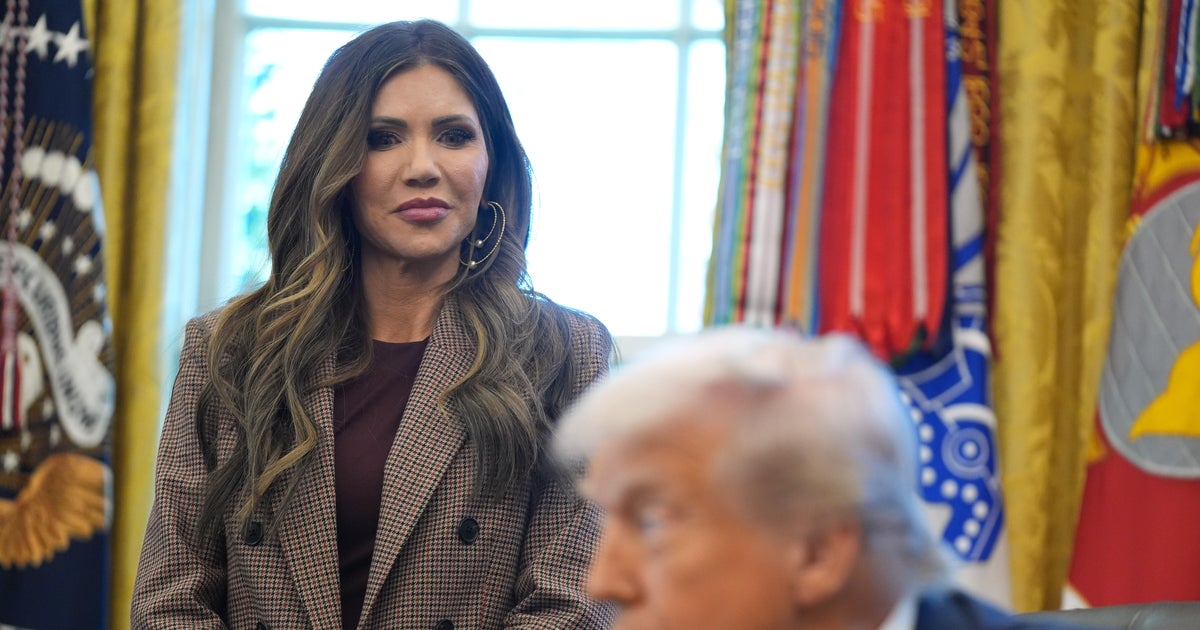
Following a meeting with President Donald Trump, Secretary Noem publicly voiced her support for an extensive travel ban via a post on the social media platform X. She emphasized her viewpoint with strong rhetoric, suggesting a dramatic response was necessary to safeguard American values and security. “Our forefathers built this nation on blood, sweat, and the unyielding love of freedom—not for foreign invaders to slaughter our heroes, suck dry our hard-earned tax dollars, or snatch the benefits owed to AMERICANS,” Noem expressed in her post.
The drive to expand these restrictive measures is partially in response to the recent attack in Washington, carried out allegedly by an Afghan man who had been granted asylum in the U.S. just months earlier, in April 2025. He had first entered the country in September 2021. In retaliation, the Trump administration has implemented a series of stringent immigration policies. This includes a halt on all visa and immigration processing for Afghan nationals, a suspension of asylum case decisions across all nationalities, and a comprehensive review of green card cases concerning immigrants from the existing 19 banned countries.
The contemplated expansion would considerably widen the scope of a proclamation President Trump signed earlier in the summer, which barred or restricted legal immigration and travel from the currently affected nations. This summer’s proclamation arose from concerns about terrorism, difficulties in vetting processes, and non-cooperation with the U.S. on deportation flights involving some countries.
The Department of Homeland Security, in a statement released on Tuesday, indicated that it would soon announce these new additions to the list of countries impacted by the travel ban. The statement did not provide specifics on which countries would be added or the exact criteria for their inclusion. However, it is expected that the administration will follow similar lines of reasoning as those laid out in previous travel bans, which involved issues of national security and immigration control.
This development in U.S. immigration policy is likely to stir significant debate, both domestically and internationally. Proponents of the travel ban argue that it is a necessary measure to protect national security and ensure that immigration to the U.S. is conducted legally and safely. Conversely, critics decry the ban as overly broad and discriminatory, potentially alienating crucial international allies and infringing upon the rights and freedoms of individuals seeking refuge and opportunity in the United States.
As the Trump administration moves forward with these plans, the global community, U.S. citizens, and potential migrants await clear details on the changes and how they will reshape the landscape of international travel and immigration to the United States. The effects of such a sweeping expansion of the travel ban could have far-reaching implications, affecting thousands of individuals and the diplomatic relationships between the U.S. and the countries involved.