In a significant development in international relations and immigration policy, the U.S. government has continued to deport migrants to Venezuela, despite President Donald Trump’s prior declarations that airspace over the embattled South American country should be considered effectively closed. The continuation of these flights is part of a nuanced set of strategies involving diplomatic negotiations and coercive measures aimed at influencing the regime in Caracas, as well as issues related to wider regional security and drug trafficking.
The Venezuelan government, under President Nicolás Maduro, confirmed that it would allow U.S.-operated flights to repatriate deported Venezuelan nationals. This decision came after a surprising turnaround from an earlier announcement that suggested a unilateral suspension of these flights by U.S. authorities. The confirmation from the Venezuelan side was announced on a Tuesday, presumably after diplomatic engagements, demonstrating the complex interplay between the two nations that have had strained relations over recent years.
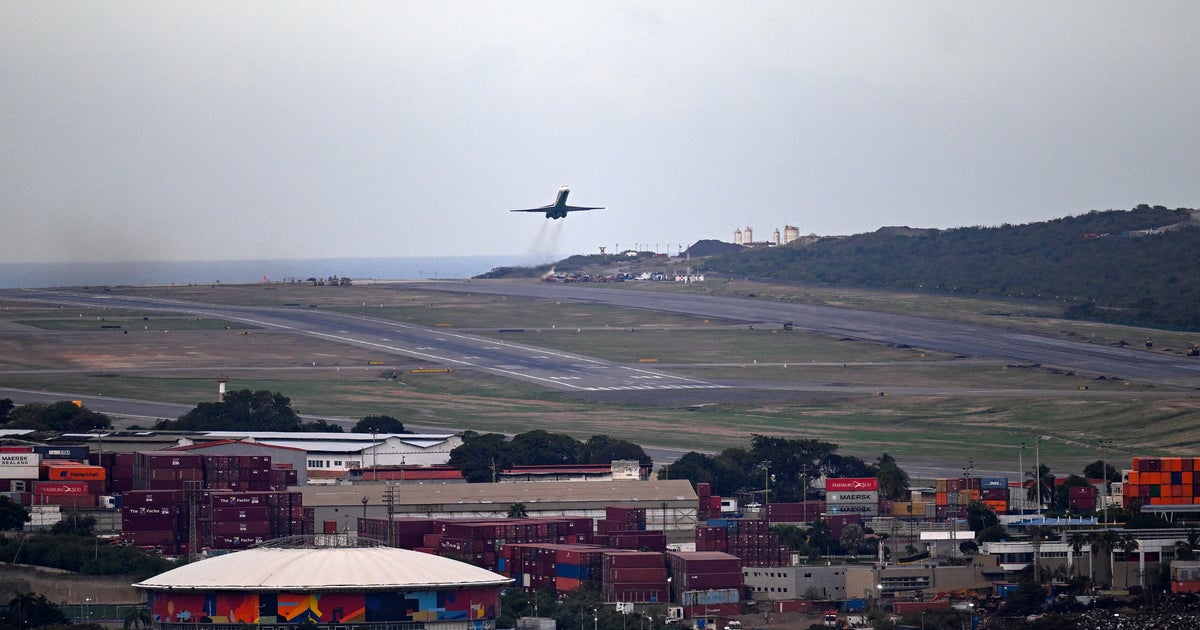
According to Venezuela’s foreign ministry, U.S.-based Eastern Airlines, which frequently handles such repatriation flights, submitted an application for an overflight and landing for an upcoming Wednesday. The permission would allow a Boeing 777-200 to travel from Phoenix, Arizona, to Venezuela’s Maiquetía International Airport. This logistical arrangement indicates the pragmatic aspects of diplomatic engagements, where operational details are as significant as the political statements that precede them.
Venezuela has seen more than 13,000 of its nationals returned on chartered flights this year, after Maduro lifted a long-standing policy that resisted the acceptance of deportees from the U.S. This change in policy by Maduro was reportedly influenced by pressure from the White House, which has been keen on addressing various issues including immigration and the activities of transnational criminal organizations. Maduro’s government has framed the acceptance of these returning nationals as a humanitarian act, rescuing them from the purported harsh conditions of U.S. detention facilities.
The broader implications of these repatriation flights tie into the U.S.’s strategic objectives in the region, particularly concerning the disruption of criminal networks like the Tren de Aragua gang. These groups have been implicated in a range of illicit activities across the Americas, including drug trafficking and violent crimes. The Trump administration has highlighted these deportation initiatives as crucial elements in a multi-pronged approach to combat these criminal entities.
Moreover, the Trump administration has not shied away from more direct military actions, as indicated by the U.S. military strikes against suspected drug-smuggling vessels operating in the eastern Pacific Ocean and off the Caribbean coast of Venezuela. These actions underscore the administration’s commitment to using a variety of methods for achieving its policy goals, which include military strikes and stringent law enforcement measures.
In a more controversial vein, President Trump has hinted at potential future military actions on land targets within countries that are pivotal in the narcotics trade, explicitly naming Colombia alongside Venezuela. These statements have stirred significant discourse on international law and the sovereignty of nations, reflecting the delicate balance between national security imperatives and adherence to international norms.
This ongoing situation has not only drawn the attention of political and military analysts but also human rights organizations and international leaders. Amidst these geopolitical maneuvers, Pope Leo XVI urged for diplomacy and economic pressures rather than military interventions. The leader of the Catholic Church emphasized the necessity for dialogue and peaceful approaches, reflecting concerns about the humanitarian impact of escalating military actions.
In conclusion, the ongoing deportation flights to Venezuela encapsulate a series of interlinked issues involving diplomatic negotiations, human rights considerations, and international security dynamics. As these flights continue amid broader geopolitical strategies, the international community remains watchful of the implications for regional stability and the norms of international engagement. The situation highlights the complexities of handling international relations in a world where domestic policies can have far-reaching international ramifications.