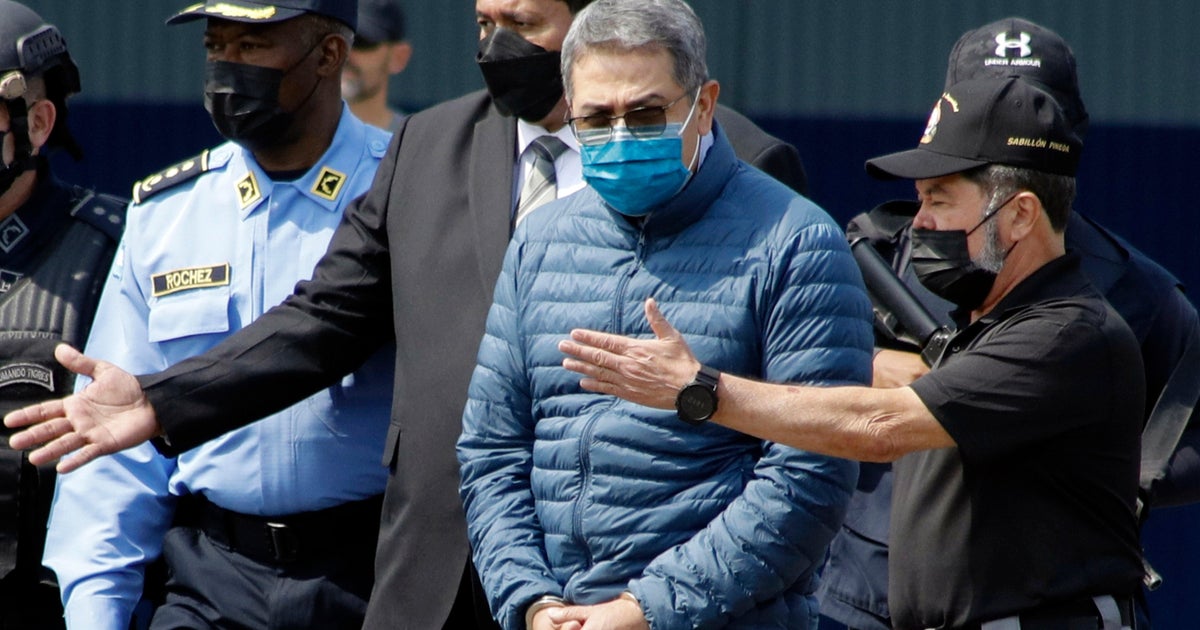
In a striking development in the international legal scene, former Honduran President Juan Orlando Hernández has been released from a federal prison in West Virginia following a pardon issued by United States President Donald Trump. The news of Hernández’s release was officially confirmed by the U.S. Bureau of Prisons, sparking a flurry of reactions across political and social spectra.
Juan Orlando Hernández, formerly a prominent political figure presiding over the Central American nation of Honduras, was convicted in March of the previous year. His charges were severe, involving the conspiracy to import a staggering 400 tons of cocaine into the United States. This conviction came after his service of two terms as the leader of Honduras, a role from which he sought to project an image of firm governance and anti-corruption efforts, despite the looming allegations.
The process leading to his conviction was tumultuous. Hernández was extradited to the United States after being taken into custody in a high-profile arrest at his residence in Tegucigalpa. This arrest and subsequent extradition were a spectacle that captured the attention of international media and marked a significant chapter in the legal pursuits against alleged narcotrafficking state officials.
The pardon issued by President Trump has been surrounded by controversy and confusion. Ana García, Hernández’s wife, expressed profound gratitude toward President Trump for the pardon, sharing a joyful update via the social platform X, announcing Hernández’s return to freedom and ending a nearly four-year period marked by “pain, waiting, and difficult challenges.”
Details emerged from Trump himself, who defended his decision by suggesting that Hernández had been treated harshly and unfairly. According to Trump, his decision was informed by respect for various advisors’ opinions, though he did not publicly disclose specific details. He elaborated on his perspective via a post on social media, highlighting a narrative which portrayed the legal actions against Hernández as excessive.
Simultaneously, Trump’s administration has been actively involved in other robust anti-narcotic measures, including ordering airstrikes against vessels suspected of trafficking drugs across the Caribbean. This aggressive stance against drugs juxtaposes interestingly with the pardon of Hernández, who was heavily implicated in drug trafficking activities.
The decision has not been without its critics. Bipartisan dismay has been pronounced, with figures such as Republican Senator Bill Cassidy and Democratic Senator Tim Kaine vocalizing their concerns. Cassidy pointed out an apparent contradiction in pardoning Hernández while continuing to pursue other foreign leaders involved in similar activities. Senator Kaine remarked on the severity and implications of Hernández’s criminal activities, highlighting evidence from the court that Hernández had intentions of drastically impacting the United States with illegal drug trafficking.
Furthermore, Speaker Emerita Nancy Pelosi viewed the pardon as a message undercutting the efforts and sacrifices made by families and law enforcement in combating drug trafficking. She called for bipartisan condemnation, emphasizing the negative implications of such a pardon on the broader fight against narcotics.
Despite these strong criticisms, Trump and his administration have held firm on their stance. The White House press secretary claimed that Hernández’s prosecution was overzealous, hinting at political motivations behind his legal troubles and aligning with narratives suggesting a setup by the Biden administration.
This pardoning has illuminated deep divisions in perspectives on justice and accountability, both within the United States and internationally. It raises significant questions about the consistency and motives behind legal decisions at the highest levels of government. For now, Juan Orlando Hernández rejoines his family and society, a free man, though the broader conversations and controversies ignited by his pardon continue to resonate.