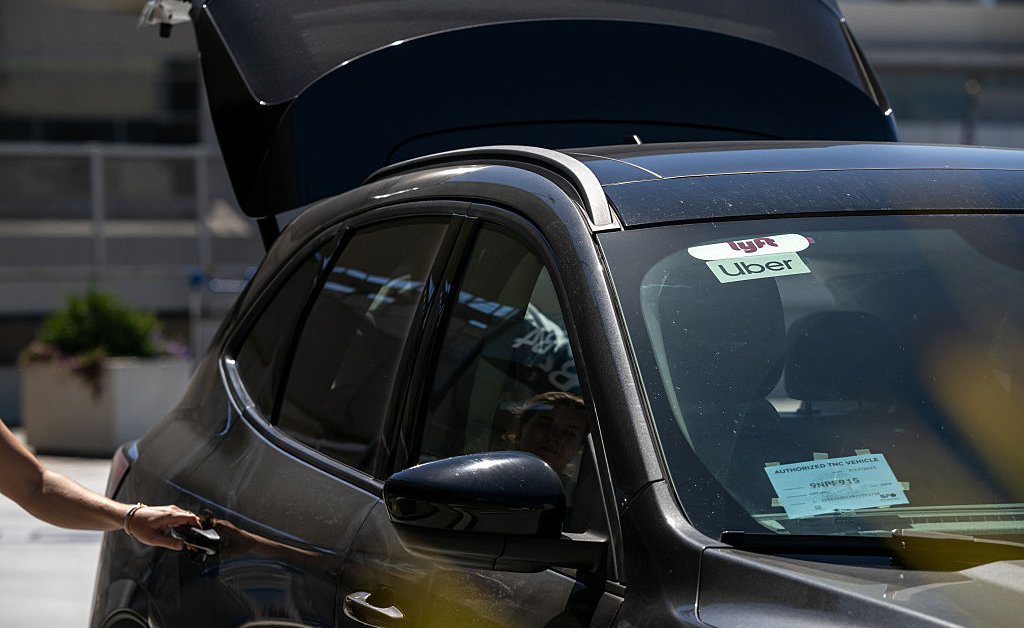
Male drivers for Uber and Lyft have filed dual class action lawsuits against the companies over a feature that allows users to request only female drivers. The lawsuits allege that this feature has limited economic opportunities for male drivers and discriminates against them based on their gender. The plaintiffs’ lawyers argue that male drivers receive fewer and different rides than they would without this policy, and that it reinforces the stereotype that men are more dangerous than women. The lawsuits accuse both Uber and Lyft of violating California’s Unruh Act, which prohibits sex discrimination by business enterprises.
The plaintiffs in the lawsuits are seeking $4,000 in damages per male driver in California for violating state law. While two drivers were represented as plaintiffs in each lawsuit, the class-action lawsuits estimate that hundreds of thousands of male ride-sharing drivers could be covered. Some users of the feature have expressed dismay at the lawsuits, stating that they feel safer and more comfortable with female drivers. Celeste Juarez, a 28-year-old woman who uses Uber’s Women Preferences option, shared that she has had uncomfortable experiences with male drivers in the past and feels safer with a female driver. She believes that the lawsuits are misguided and that the option is important for her safety and peace of mind.
Uber and Lyft have not yet commented on the lawsuits. The lawsuits come in the wake of thousands of sexual harassment and assault lawsuits against both companies over the years. The feature allowing users to request only female drivers was introduced as a safety measure, but male drivers argue that it has negatively impacted their ability to earn income and has perpetuated gender stereotypes. The lawsuits highlight the tension between prioritizing safety for riders and ensuring equal economic opportunities for drivers, regardless of gender.
The debate surrounding the lawsuits raises important questions about how to balance safety and non-discrimination in the ride-sharing industry. While some users feel safer and more comfortable with female drivers, male drivers argue that they are being unfairly discriminated against based on their gender. As the lawsuits progress, it will be interesting to see how Uber and Lyft respond and whether changes will be made to the feature in question. Ultimately, finding a solution that ensures both rider safety and driver equality will be crucial for the future of the ride-sharing industry.