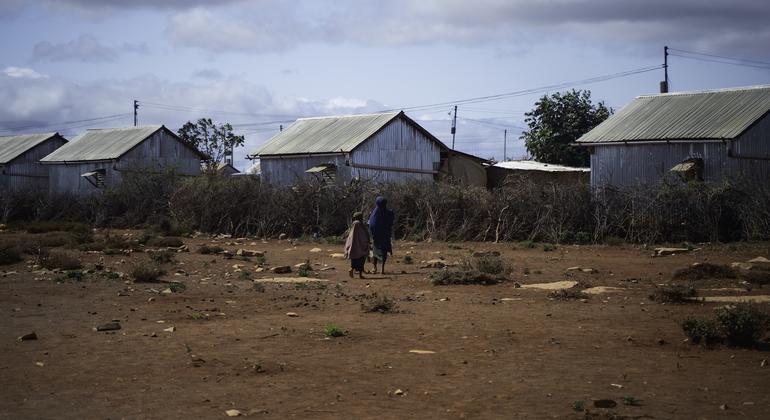
The Federal Government of Somalia officially declared a drought emergency on 10 November, calling for urgent international assistance as conditions worsened across various regions in the country. According to the UN Office for the Coordination of Humanitarian Affairs (OCHA), northern, central, and southern Somalia were all experiencing severe drought conditions, prompting the government to seek help from the international community.
Puntland, in particular, was identified as one of the hardest-hit areas, with authorities estimating that nearly one million people were in need of support. Among them, 130,000 were deemed to be in immediate life-threatening situations. A UN assessment mission conducted in the Bari and Nugaal regions earlier in the month revealed communities struggling with acute shortages of water and food. Residents expressed fears that a catastrophe could unfold in the coming months if assistance was not provided promptly.
Abdiqani Osman Omar, the mayor of Shaxda village in Bari region, highlighted the severity of the situation, stating, “We have not received rain since last year; this is the worst drought in years.” He noted that hundreds of displaced families had arrived in the village in the past three months, with more expected to come. Most of the new arrivals were women and children, as the men had ventured to neighboring Ethiopia in search of pasture and water. The village lacked the resources to support the influx of people, with even the host communities requiring assistance with water and food.
Throughout Puntland, water sources had dried up, vegetation had wilted, and pastoral settlements that were once inhabited now lay deserted. In Dhaxan town, residents had to rely on expensive trucked water after the local borehole was found to be contaminated. Community leader Jama Abshir Hersi mentioned that approximately 150 families had relocated to the town following the brief Gu’ season showers earlier in the year. However, the assistance they had previously received, such as food, nutrition, and medical supplies, had significantly decreased.
The funding shortfall further exacerbated the crisis, with only 23.7% of Somalia’s 2025 Humanitarian Response Plan being funded as of 23 November. This shortage of funds led to significant cuts in assistance, with the number of people receiving emergency food aid dropping from 1.1 million in August to just 350,000 by the latest count. In Puntland alone, 89 supplementary feeding sites and 198 health and stabilization centers were facing severe shortages of supplies.
The drought unfolded against a backdrop of an already dire humanitarian situation in Somalia. It was projected that at least 4.4 million people would face acute food insecurity through December, while 1.85 million children under the age of five were expected to suffer from acute malnutrition until mid-2026. Weather forecasts offered little hope for immediate relief, with the UN Food and Agriculture Organization (FAO) warning that dry and hot conditions were likely to persist across most of the country, especially in central and northern regions.
“The prevailing high temperatures and poor rain are likely to exacerbate water stress and limit pasture regeneration in most areas,” the agency cautioned.
Overall, the drought emergency in Somalia was a pressing issue that required urgent attention and support from the international community to prevent a humanitarian disaster from unfolding. With millions of people facing hunger and malnutrition, timely and adequate assistance was crucial to mitigate the impact of the drought and save lives in the affected regions.