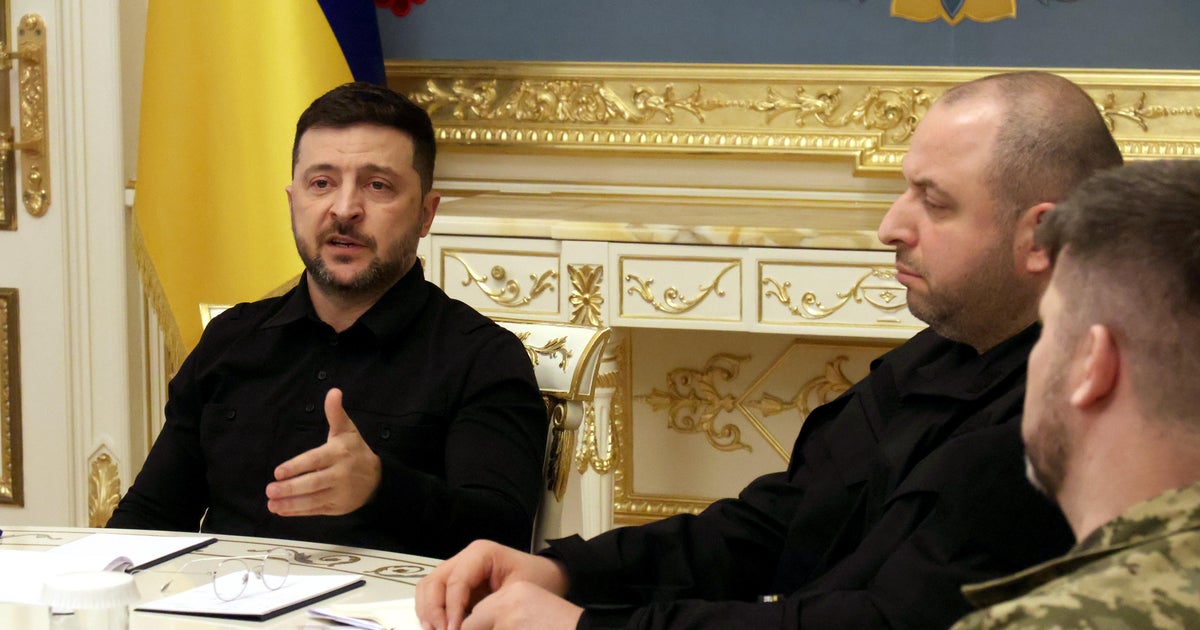
As tensions persist between Russia and Ukraine, recent developments suggest a potential breakthrough in negotiations that could lead to a resolution of the nearly four-year conflict. However, the complexities of diplomacy and differing national interests indicate that while progress is possible, significant challenges remain.
Amidst these developments, a spokesperson from the Russian government declared on Wednesday that it is “premature” to expect an imminent resolution, tempering hopes raised by earlier optimistic reports. This statement came as a counter to the hopeful narrative suggested by an assertion made by a U.S. official who informed CBS News that the Ukrainian government had consented to a peace proposal formulated under the auspices of the Trump administration. According to this American official, along with Ukraine’s national security adviser, Rustem Umerov, there had been preliminary agreement on the proposal, though finer details were yet to be ironed out.
Umerov himself conveyed optimistic sentiments, speculating that Ukrainian President Volodymyr Zelenskyy could potentially visit the U.S. by the end of November to finalize this agreement. This speculation was further fueled by a prior CBS News report which mentioned ongoing discussions about a possible U.S. trip by Zelenskyy occurring that week.
“The Ukrainians have agreed to the peace deal,” the mentioned U.S. official stated, emphasizing that only “minor details” remained to be resolved. The official expressed a broad concurrence on terms which, though not fully publicized, tilted towards cessation of hostilities and a framework for political reconciliation.
Uncertainty lingered as U.S. Army Secretary Dan Driscoll met with Russian representatives in Abu Dhabi. This development was paralleled by various diplomatic exchanges involving U.S., Ukrainian, and Russian officials — though not simultaneously. These meetings were testament to an intensive diplomatic effort characterized by frequent discussions and negotiations, as confirmed by various sources to CBS News.
A key figure in the ongoing negotiations, President Donald Trump shared his insights via Truth Social, indicating “only a few remaining points of disagreement.” He elaborated on directing his envoy, Steve Witkoff, to engage with Russian President Vladimir Putin in Moscow, while Driscoll was assigned to continue dialogue with Ukrainian counterparts. Trump emphasized his close monitoring of the progress alongside prominent administration figures, expressing hope to soon finalize the peace deal, contingent on its maturity.
White House Press Secretary Karoline Leavitt also highlighted the significant stride made over the past week in bringing both Ukraine and Russia to the negotiation table. She hinted at several delicate issues that needed addressing, necessitating further discussions involving the three nations.
Despite the portrayals of progress, Russian veteran Foreign Minister Sergey Lavrov expressed a more reserved viewpoint, acknowledging U.S. initiatives but emphasizing professionalism and confidentiality in diplomatic engagements. He anticipated updated proposals reflecting consensually agreed principles from earlier U.S.-Russia summits but remained cautious about the specifics and their alignment with Russian expectations.
Contributing to the intricate diplomatic dance, Umerov acknowledged the foundational agreement on key terms during the Abu Dhabi talks. Concurrently, extensive discussions were also held in Geneva involving U.S., European, and Ukrainian representatives, underscoring the multilateral nature of the peace efforts.
The reports of these diplomatic maneuvers came amid heightened international focus on achieving a negotiated settlement to the lingering conflict, which has seen extensive military engagements and significant geopolitical repercussions. Notably, a draft proposal circulated within the Trump administration proposed controversial concessions from Ukraine and raised questions about NATO’s role in ensuring regional security. Discussions in Geneva were further aimed at refining this framework to better align with all parties’ interests and expectations, according to Rubio.
President Trump’s push for a resolution by Thanksgiving added a layer of urgency to these efforts, though Rubio suggested some flexibility in this timeline. These ongoing negotiations paralleled military engagements in Eastern Ukraine, with U.S. officials cautiously appraising the evolving situation on the ground.
The protracted nature of the Ukraine-Russia conflict and the intricate web of diplomatic, military, and political factors involved underscore the complexity of reaching a durable peace agreement. While the recent developments indicate a concerted effort towards resolution, the ultimate success of these negotiations will depend on reconciling the diverse and, at times, divergent ambitions of all stakeholders involved. As the international community watches closely, the coming weeks are critical in determining whether the tentative steps towards peace materialize into a lasting cessation of hostilities and a stable geopolitical reordering.