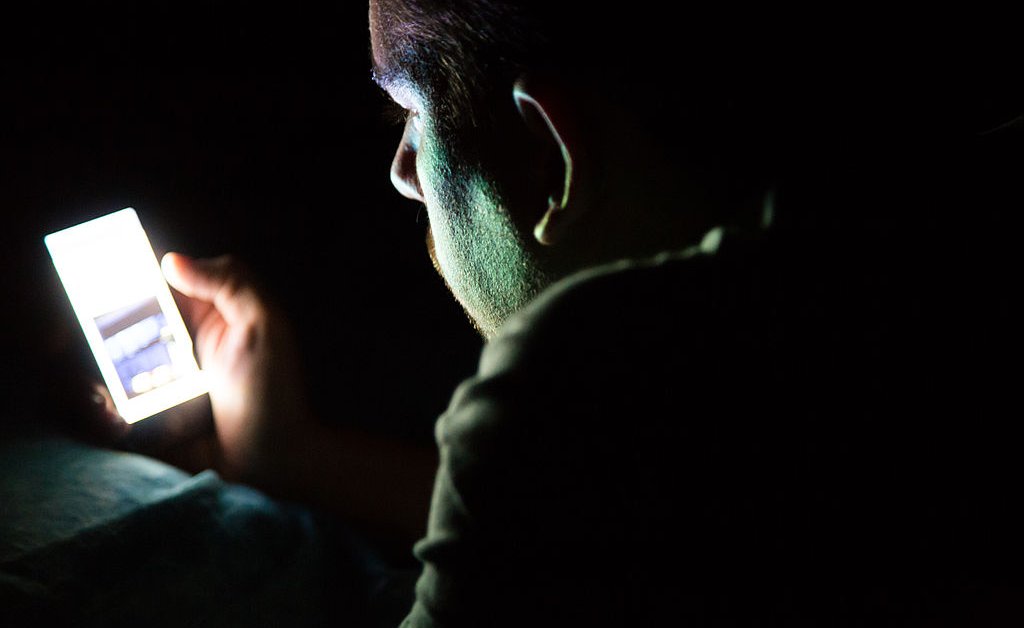
A new study conducted by Toronto Metropolitan University (TMU) and the Université Laval challenges the long-standing belief that using phones before bed negatively impacts sleep. The study surveyed over 1,000 adults in Canada about their bedtime screen use and sleep health, revealing that overall sleep health was similar between those who used screens every night and those who didn’t use screens at all. Surprisingly, the worst sleep quality was reported by those who used their phones only a few nights a week. Previous studies have attributed sleep disruption to the blue light emitted by screens, which can affect the body’s production of melatonin, the sleep hormone. However, TMU researchers suggest that these findings may not have considered factors such as age, timing, or intensity of exposure.
TMU Professor Colleen Carney, a specialist in sleep and mood disorders and one of the study’s authors, pointed out that previous studies on the impact of blue light on sleep often used experimental conditions that do not reflect the average person’s daily routine. Some studies focused on young adults who are more sensitive to light and kept them in dim light conditions all day and night, which may skew the results. Carney believes that these findings have been applied too broadly without considering conflicting results from other studies. The new study emphasizes the importance of considering not just the presence of screens before bed, but also the activities individuals engage in on their phones, as certain activities may make it harder to disengage and fall asleep.
The study’s findings suggest that the relationship between screen use before bed and sleep quality may be more complex than previously thought. While blue light exposure may play a role in sleep disruption, other factors such as age, timing, and intensity of screen use should also be taken into account. Carney highlights the need for a more nuanced understanding of the impact of screens on sleep health, as well as a consideration of individual differences in sensitivity to light. The study challenges the blanket recommendation to avoid screens before bed and suggests that the effects may vary depending on the individual and their specific screen use habits.
Overall, the study raises important questions about the relationship between screen use and sleep quality, urging researchers and experts to consider a wider range of factors when studying this issue. By taking into account individual differences in sensitivity to light, as well as the specific activities individuals engage in on their phones before bed, a more accurate understanding of the impact of screens on sleep can be achieved. The findings of the study suggest that while screens may have some impact on sleep quality, the effects are not as straightforward as previously believed, emphasizing the need for further research in this area.