The latest Red List compiled by the International Union for Conservation of Nature (IUCN) has painted a grim picture of the current state of wildlife diversity around the globe. According to the list, climate change is aggressively driving Arctic seals towards extinction, and over half the world’s bird species are experiencing a decline in their population. However, the report also provides a glimmer of hope, as it highlights the successful revival of green sea turtles, demonstrating how effective conservation efforts can help save species from extinction’s precipice.
The IUCN Red List is a critical barometer for the health of the world’s biodiversity. It tracks the conservation status of various species, providing detailed reports on the global scale of species extinction. The latest report underscores the alarming impact of climate change on Arctic seals, indicating they are on the verge of extinction. The rapid melting of sea ice, a direct consequence of global warming, is destroying the natural habitat of these seals, pushing them closer to extinction.
Arctic seals are a vital part of the Arctic ecosystem. They are primary prey for polar bears, and their decline could have a domino effect on other species. The seals are also essential to the local communities that depend on them for their subsistence. However, the seals are losing their sea-ice habitat at an alarming rate due to global warming. This loss of habitat is directly impacting their survival, as their breeding and feeding grounds are disappearing.
The IUCN report also highlights a concerning trend among bird species worldwide. Over half of all bird species are seeing a decline in their population. Birds play an essential role in ecosystems, acting as pollinators, seed dispersers, and pest controllers. The loss of bird species can lead to a cascade of negative impacts on ecosystems and the services they provide to people.
The reasons behind the decline are multifaceted. Habitat destruction, pollution, illegal hunting, and climate change are all contributing factors. Forests, wetlands, grasslands, and other habitats that birds depend on are being destroyed at an unprecedented rate. Pollution, particularly plastic pollution, is also a significant threat to bird species. Many birds mistake plastic waste for food, leading to fatal blockages in their digestive systems. Furthermore, climate change is shifting and shrinking bird habitats and altering the timing of crucial biological events, such as migration and breeding.
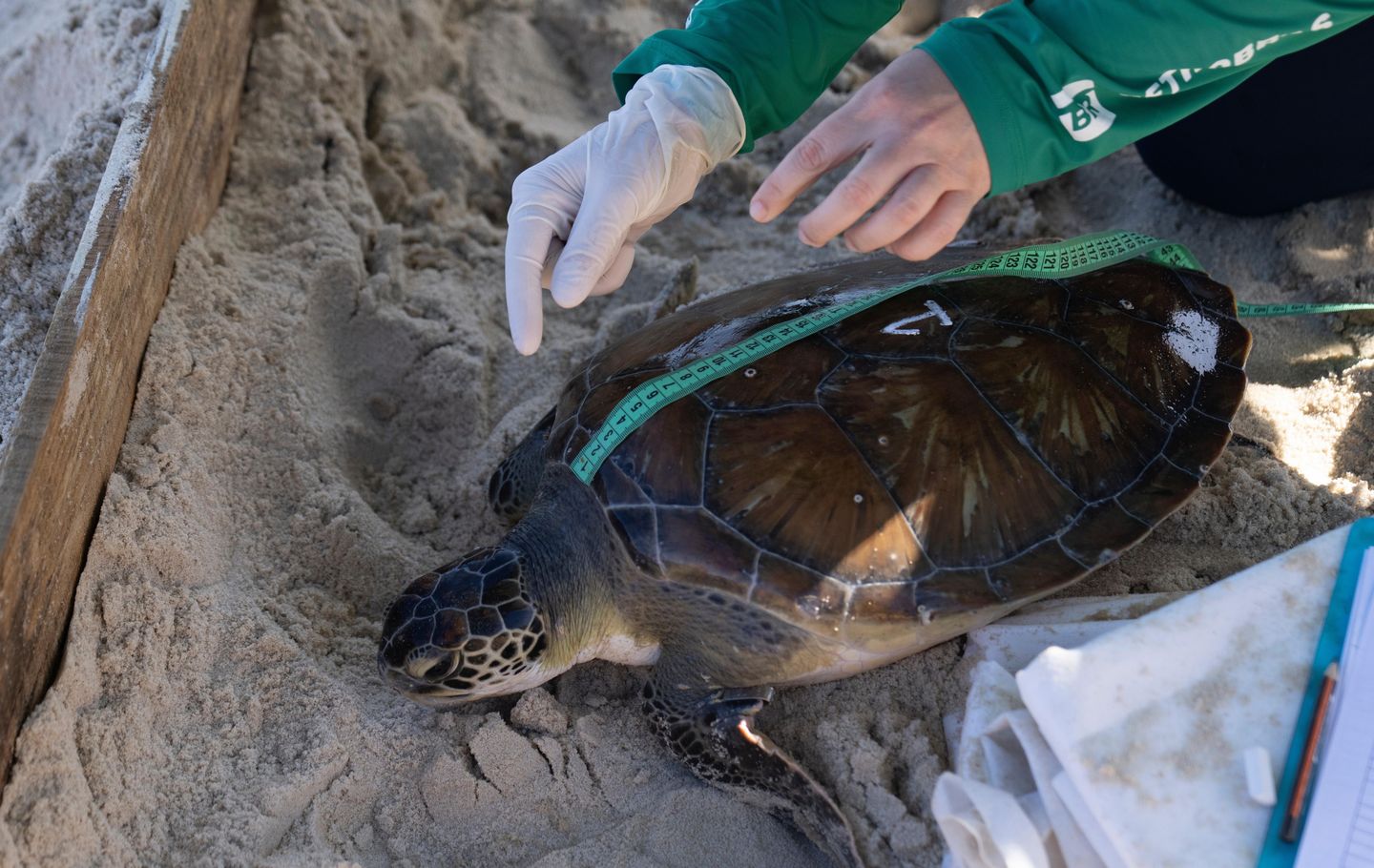
Despite these alarming findings, the IUCN Red List also offers a beacon of hope. The green sea turtle, previously classified as “endangered,” has shown significant recovery due to concerted conservation efforts. This species was once on the brink of extinction due to threats such as habitat destruction, illegal hunting, and bycatch. However, through international cooperation, strict laws against hunting, protection of nesting sites, and efforts to reduce bycatch, the green sea turtle populations are making a promising comeback.
The green sea turtle’s journey from the brink of extinction to recovery is a shining example of how international and concerted conservation efforts can yield successful results. It provides a blueprint for other conservation initiatives, demonstrating the importance of international cooperation, stringent regulations, habitat preservation, and the reduction of human-induced threats.
While the green sea turtle’s recovery is a glimmer of hope in an otherwise bleak report, it also serves as a stark reminder of the urgent need for global action. The IUCN Red List is not just a catalogue of the world’s endangered species; it’s a call to action. It’s a reminder that the fate of the world’s biodiversity is in our hands.
The challenges ahead are enormous. The world is dealing with unprecedented threats to biodiversity, ranging from climate change to habitat destruction, pollution, and overexploitation. But the story of the green sea turtle shows that change is possible. It demonstrates that with concerted effort, commitment, and international cooperation, we can turn the tide on extinction and ensure the survival of our planet’s remarkable biodiversity.
In conclusion, the latest IUCN Red List paints a sobering picture of the state of the world’s biodiversity. It underscores the urgent need for conservation efforts to protect and preserve our planet’s species. While the challenges are significant, the recovery of the green sea turtle serves as a beacon of hope, demonstrating that effective conservation strategies can indeed save species from the brink of extinction. As we move forward, we must harness this hope and transform it into action, working tirelessly to protect our planet’s precious biodiversity.