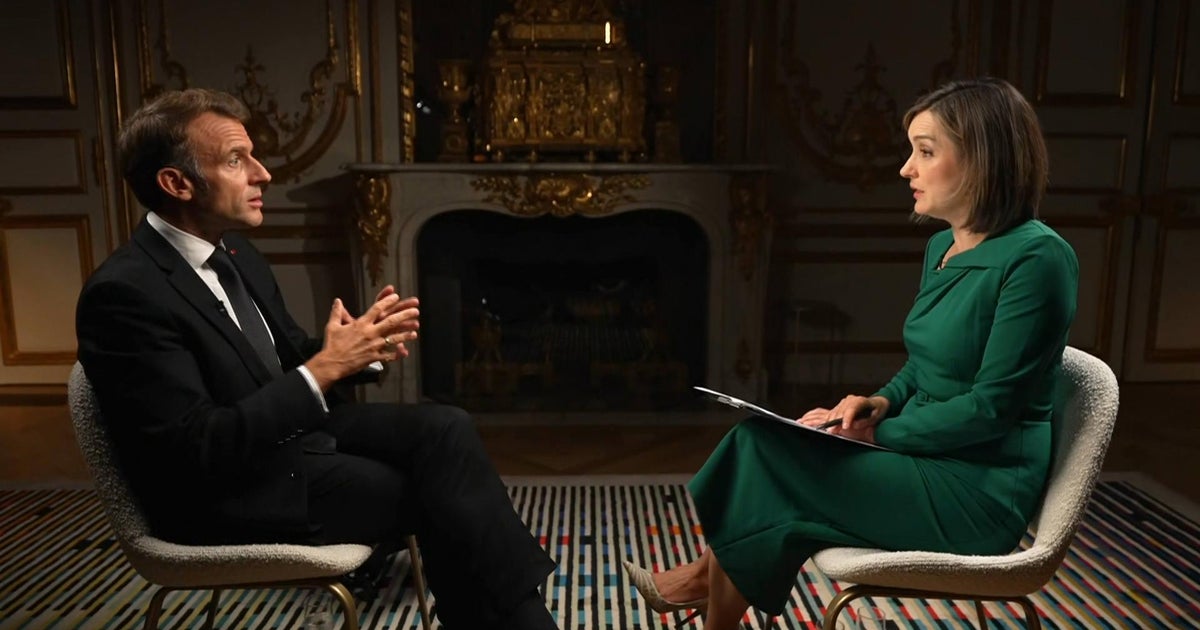
On the broadcast of “Face the Nation with Margaret Brennan,” viewers were treated to an array of insightful conversations, spearheaded by renowned moderator Margaret Brennan from CBS. This episode was particularly significant as it featured critical discussions with prominent leaders including French President Emmanuel Macron, Syrian President Ahmed Al-Sharaa, and former U.S. National Economic Council Director Gary Cohn.
Syrian President Ahmed Al-Sharaa, a figure who has remained controversial due to his past affiliations but now turned peacemaker, shared his perspective on Syria’s ongoing efforts to rebuild and stabilize the country. The Syrian leader, who has distanced himself from former extremist ties, emphasized the need for foreign investment and international cooperation to restore Syria’s war-stricken communities.
Meanwhile, French President Emmanuel Macron discussed the current geopolitical tensions affecting Europe, spotlighting recent military activities involving NATO and Russia. Macron condemned the aggressive stance of Russia in Ukraine, which has seen an escalation in military actions. He justified NATO’s role and decisions, including the scrambling of jets to intercept Russian drones over Polish and Romanian airspace, arguing that these were necessary measures to maintain stability and security in the region.
In a different fold, Gary Cohn, former economic advisor to the White House and current vice chairman at IBM, delved into economic issues, including recent decisions by the Federal Reserve to cut interest rates by a quarter point. Cohn provided an analysis of the implications of this policy change for the broader economy and specifically its impact on the labor market and ongoing tariffs imposed by the administration.
As the conversations unfolded, Margaret Brennan didn’t miss the opportunity to probe deeper into ongoing international conflicts and U.S. foreign policy. She discussed with Macron the implications of potential recognition of Palestinian statehood, a topic that is sensitive and complicated in terms of international relations and diplomacy. Macron defended the stance, emphasizing the necessity to foster dialogue and create conditions for peace despite opposition from traditional allies like the U.S. and Israel.
The broadcast also covered President Trump’s approach to international relations, touching upon his administration’s strategies and engagements on the global stage. The dialogue provided viewers with an analytical perspective on Trump’s foreign policy and economic decisions during his tenure.
Furthermore, the episode previewed an interview from an upcoming “60 Minutes” segment featuring a discussion with Bashar al-Assad, delving into the complexities of Syrian politics and the ongoing civil strife.
“Face the Nation” also included topical discussions on domestic economic trends with insights from Gary Cohn on the Federal Reserve’s policies, the labor market’s cooling, and broader economic forecasts that could affect the United States’ socio-economic landscape moving ahead.
In all, the episode represented a comprehensive mix of international politics, economic policies, and insightful discussions that catered to a wide array of audiences interested in understanding the intricacies and subtleties of current global and domestic affairs. As the broadcast wrapped up, it was clear that the topics discussed would resonate with viewers, offering them a deeper understanding of the shifting dynamics of world leadership, economic trends, and geopolitical uncertainties.