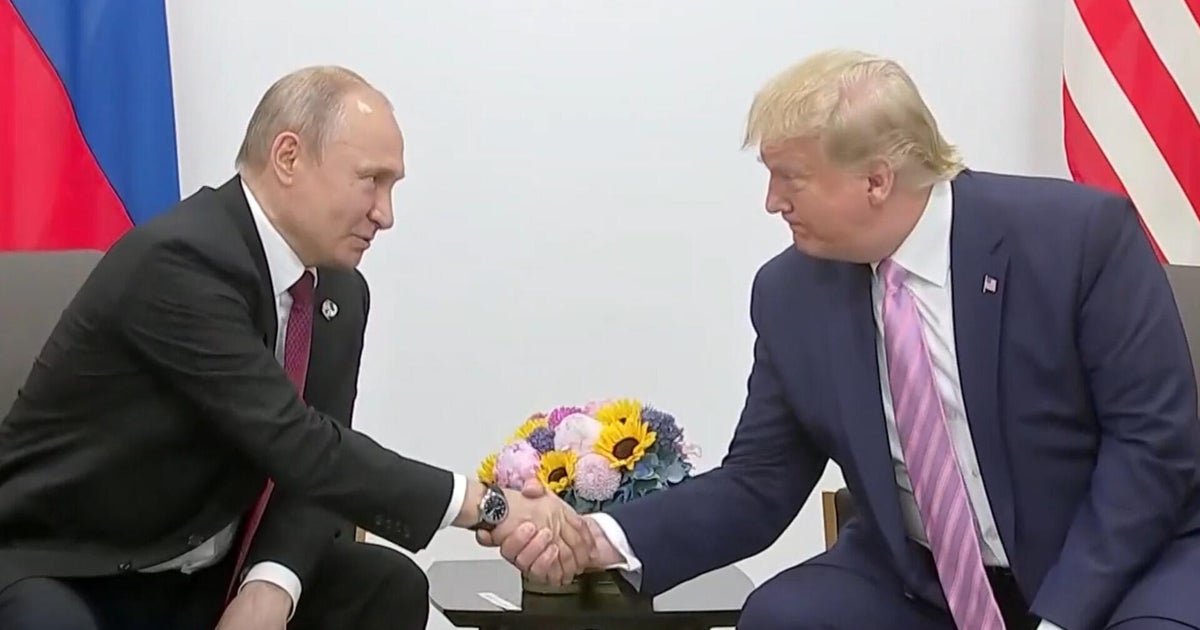
In an upcoming high-profile summit set in the icy premises of Alaska, President Donald Trump has escalated the tension by hinting at potential “very severe consequences” should Russian President Vladimir Putin refuse to broker a peace deal for the ongoing war with Ukraine. The stark warning comes as the leaders of two of the world’s superpowers prepare to engage in potentially decisive diplomatic talks.
The gravity of the situation can hardly be overstated, as all eyes turn towards this meeting, which could either mark a milestone in resolving some of the most contentious issues affecting global stability or sink relationships to a new low.
President Trump’s stark caveat introduces a layer of urgency and gravity to the discussions, positioning them as potentially pivotal in the broader scope of international relations. The consequences he hinted at, while not specifically detailed, suggest a readiness to escalate retaliatory measures should the talks falter on the matter of Ukraine, a region beleaguered by conflict that has drawn sharp international criticism and mounting sanctions against Russia.
Despite the grim warning, President Trump also attempted to temper expectations, possibly hinting at the complex and unpredictable nature of diplomatic negotiations with a formidable counterpart like President Putin. This dual approach of caution mixed with a dire warning encapsulates the unpredictable strategy often employed by President Trump in matters of international diplomacy.
Historically, U.S.-Russia relations have seen a complex interplay of cooperation and confrontation, with issues such as arms control, cyberwarfare, and regional influence operations often clashing with moments of concerted collaboration on global challenges like terrorism and space exploration. The Alaska summit, therefore, is not just a talking point but a continuation of a long and winding road of diplomacy marked by oscillating tensions and fleeting reconciliations.
The spotlight on Ukraine in these talks underscores a particularly volatile chapter in East-West relations. Following Russia’s annexation of Crimea in 2014 and its ongoing involvement in the eastern Ukraine conflict, the international community, led predominantly by the United States and its European allies, has leveled various sanctions against Moscow. These measures have targeted key sectors of the Russian economy, including finance, energy, and defense. In response, Russia has often reciprocated with bans and its own set of sanctions, creating a tit-for-tat scenario that has frequently undermined possibilities for constructive dialogue.
The Alaska summit thus presents a formidable challenge for both leaders. For President Trump, it is a test of his administration’s ability to leverage international diplomacy to deliver tangible results in foreign policy—a cornerstone of his presidential legacy. For President Putin, it posits a moment to reassess his strategic options in the face of mounting international pressure and the ongoing economic toll of Western sanctions.
The implications of the talks extend beyond the immediate geopolitical landscape. Economically, the war in Ukraine and subsequent sanctions have disrupted trade patterns and inflicted significant costs on both Russian businesses and those of their international partners. Socially, the conflict has precipitated a humanitarian crisis in Eastern Ukraine, with thousands displaced, injured, or killed.
Therefore, a successful negotiation could potentially pave the way for a stabilization of the region, offering a much-needed respite to its beleaguered populations and opening up avenues for economic recovery and growth. Conversely, a breakdown in talks could exacerbate tensions further, pushing the regional conflict into an even more entrenched position and possibly pulling other nations into the fray.
Additionally, the summit is an arena for both presidents to address their respective domestic audiences. President Trump, often criticized at home for his foreign policy maneuvers, needs a win that demonstrates strength and strategic acumen. President Putin, similarly, has to balance Western pressures with nationalistic expectations from his political base, which views Russia’s aggressive foreign policies as a revival of its superpower status.
In preparing for this crucial engagement, both leaders bring with them a cadre of experienced diplomats and advisors, tasked with formulating positions and strategies that could lead to an agreeable resolution. The preparation involves not just understanding the explicit demands of the opposing side but also anticipating the broader implications of any agreement or disagreement that emanates from the summit.
As the world watches, the stakes are undeniably high, with the potential outcomes likely to influence global geopolitical dynamics for years to come. The leaders’ ability to navigate these complex and high-stakes issues will be critical in shaping not just the future of U.S.-Russia relations, but also the international order and the global narrative surrounding conflict resolution and peacekeeping.
Ultimately, as President Trump and President Putin ready themselves for this significant diplomatic encounter in Alaska, the international community remains hopeful yet cautious. The summit not only represents a critical juncture in the fraught relations between the U.S. and Russia but also serves as a testament to the enduring importance and challenges of diplomacy in today’s multipolar world.