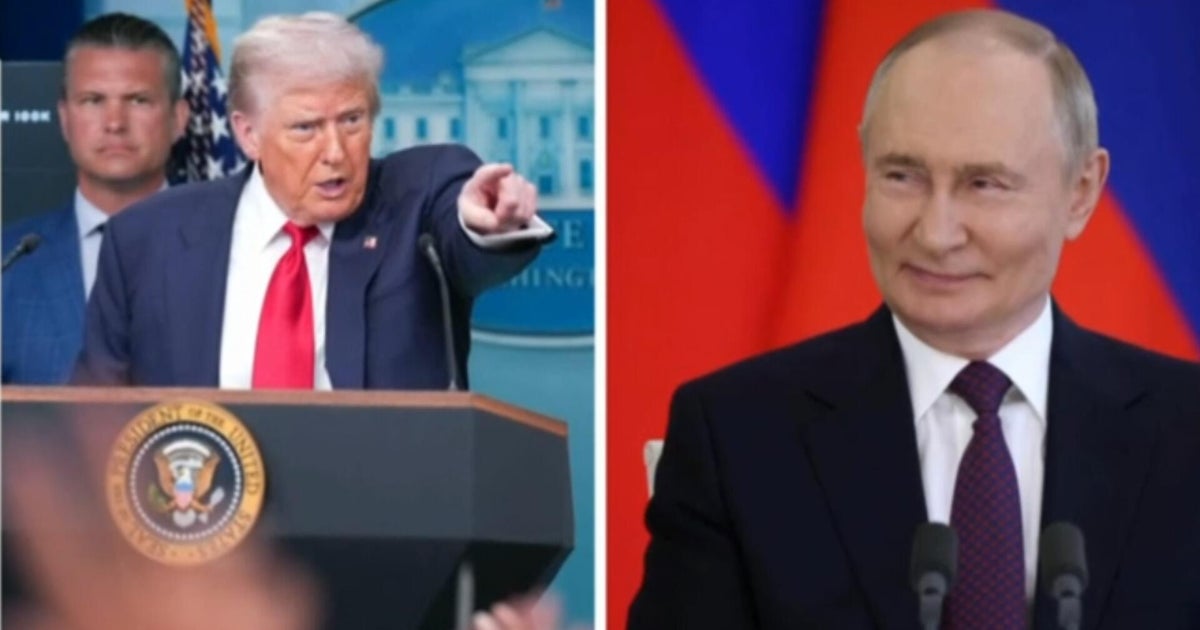
The upcoming meeting between U.S. President Donald Trump and Russian President Vladimir Putin is drawing close attention from political analysts and international observers alike. CBS News’ Senior Foreign Affairs Correspondent Margaret Brennan offers a comprehensive analysis and detailed insights into the dynamics and potential implications of this critical encounter.
The geopolitical context surrounding this meeting cannot be overstated. Both leaders are entering the summit with their own agendas and pressures from their respective domestic and international audiences. President Trump, who has often expressed a desire to restore and improve American-Russian relations, faces skepticism at home from critics who worry about too conciliatory an approach to Russia, especially in light of ongoing investigations into allegations of Russian interference in the 2016 U.S. presidential election.
On the other side, President Putin, a former KGB officer who has held power in Russia either as President or Prime Minister since 1999, also has strategic interests in the discussions. He is likely looking to mitigate the impact of ongoing economic sanctions imposed by the United States and its allies, which have weighed heavily on the Russian economy, and also to reassert Russia’s influence on the global stage, challenging American hegemony in international affairs.
Margaret Brennan suggests that several critical issues are likely to be on the agenda for the Trump-Putin meeting. Foremost among these is the topic of arms control, particularly the future of the New START treaty, the last major nuclear arms control treaty between the two countries, which is set to expire soon unless both parties agree to an extension. This treaty is crucial as it caps the number of nuclear warheads and missile launchers that each can deploy, playing a significant part in maintaining global nuclear stability.
Another contentious issue that may surface during the discussions is the ongoing conflict in Syria. The U.S. and Russia have found themselves on opposite sides in this conflict, with the U.S. supporting rebel groups aiming to overthrow Syrian President Bashar al-Assad, a close ally of Russia. Putin’s military intervention in Syria in 2015 helped to turn the tide of the war in Assad’s favor, and discussions about a political solution to the Syrian conflict will be challenging, given the divergent interests of both nations.
The situation in Ukraine will also be a significant point of discussion. Since the annexation of Crimea by Russia in 2014 and the subsequent war in Eastern Ukraine, relations between the U.S. and Russia have been particularly strained. The U.S. and its European allies have supported Ukraine both politically and with military aid, in opposition to what they view as Russian aggression. Any discussion around Ukraine will be sensitive and is likely to address the implementation of the Minsk agreements, designed to stop the fighting in Eastern Ukraine and implemented political reforms.
Cybersecurity and election interference are topics that can’t be ignored. Given the backdrop of alleged Russian meddling in the 2016 U.S. elections, how Trump handles these discussions will be closely scrutinized. The challenge will be in balancing the acknowledgment of past intrusions with negotiations on preventing future cybersecurity threats.
Economic interactions between the two countries, particularly in the wake of sanctions against Russia for its actions in Ukraine and alleged election interference, will also feature in the discussions. Both leaders might explore the scope for economic cooperation in various sectors, potentially easing some of the existing tensions.
Margaret Brennan points out that the personal dynamics between Trump and Putin will also be critical. Both leaders are known for their strong personalities and their approach to governance. The body language, tone, and diplomatic gestures during their meeting will be minutely analyzed for any signs of an emerging détente or ongoing friction.
The global reaction, particularly from European allies, China, and Middle Eastern countries, will be significant. Allies in Europe will be especially keen on the discussions regarding Ukraine and Syria, as outcomes in these arenas have direct consequences for the European Union, both in terms of security and the ongoing refugee crisis. China will observe the economic discussions closely, especially any discourse around energy politics, as any shift in U.S.-Russia economic relations could impact global energy markets and economic geopolitics.
As the summit approaches, the world watches keenly. The stakes are high, and the outcomes of this meeting could have wide-reaching implications for international relations, global security, and the geopolitical landscape. Margaret Brennan emphasizes that while the meeting holds promise for resetting poor U.S.-Russia relations, the realities of international diplomacy and internal pressures make substantial breakthroughs challenging. Her insights underline the complexity and significance of this high-stakes diplomacy, highlighting that the reverberations of this event will be felt worldwide, influencing international politics in profound ways.