In a recent alarming incident highlighting the potential threats posed by insider leaks and espionage, federal authorities have apprehended a U.S. Army soldier accused of attempting to pass on sensitive military information to a foreign nation. Taylor Adam Lee, a 22-year-old active-duty soldier stationed at Fort Bliss, Texas, has been arrested and faces charges under the Espionage Act and the Arms Export Control Act. This case accentuates the ongoing challenges and dangers associated with safeguarding national defense data in the digital age.
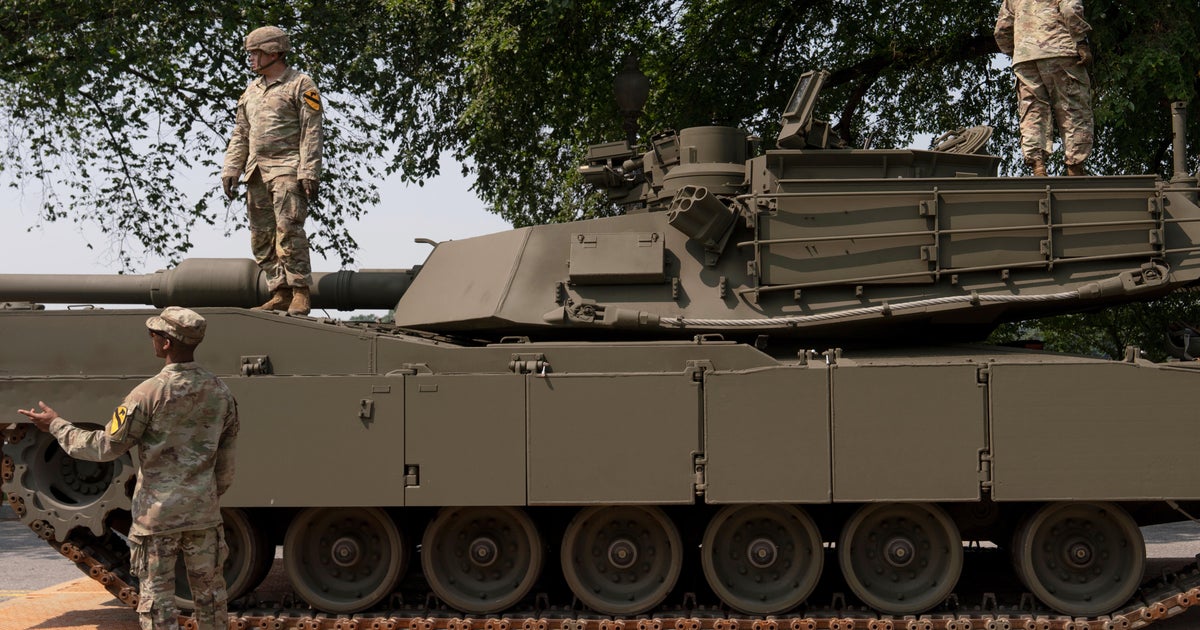
Details from the U.S. Department of Justice reveal that Lee allegedly engaged in activities that compromised national security by attempting to transmit information about the Army’s advanced M1A2 Abrams tank, a pivotal asset in U.S. military capabilities. The information Lee sought to share was not only restricted under export controls but also of significant military value, making his alleged actions particularly grievous.
Lee was reportedly motivated by a desire to acquire Russian citizenship, indicating a premeditated betrayal of his duties and allegiance. According to federal prosecutors, Lee had communicated online about his discontent with the United States and his willingness to aid Russia, presumably in exchange for personal benefits. Such statements suggest a clear and present threat from individuals within the military who might harbor intentions harmful to U.S. interests.
The investigation uncovered that Lee, possessing a top-secret security clearance, allegedly made an explicit offer to assist the Russian Federation. Earlier this year, Lee purportedly wrote, “The USA is not happy with me for trying to expose their weaknesses,” further complicating the motives behind his actions. In a significant breach of trust and protocol, Lee is said to have handed over an SD card filled with technical data on the Abrams tanks during a clandestine meeting in July, believing he was dealing directly with a Russian government representative.
Moreover, Lee’s interaction with the supposed Russian contact wasn’t limited to data alone. He is accused of having discussed transferring a tangible piece of hardware from an Abrams tank, pushing the boundaries of espionage into the realm of potentially providing physical aid to a foreign adversary. The exchange purportedly culminated last week when Lee appeared to deliver this piece of hardware to a storage unit in El Paso, subsequently messaging, “Mission accomplished” to his contact.
These revelations came to light following a diligently executed sting operation leading to Lee’s arrest this Wednesday. He made his initial court appearance on Thursday, though it remains unclear whether he has legal representation at this point.
This incident serves as a stark reminder of the vulnerabilities and challenges faced by U.S. military and intelligence services in the internet age, where the theft and transfer of data can be facilitated not just physically but digitally. The arrest aligns with warnings from top counterintelligence officials who have been vocal about the escalating threats of “virtual espionage” targeted at U.S. service members online. These attempts are often characterized by foreign intelligence agents seeking to manipulate U.S. personnel into divulging sensitive or classified information in exchange for compensation.
In the broader context, the military has been grappling with several cases of internal information breaches. Recent instances include the sentencing of a former Air National Guardsman, Jack Teixeira, who received a 15-year prison sentence for disseminating classified documents via Discord concerning the Russia-Ukraine conflict. Another case involved a retired Army officer, employed as a civilian by the Air Force, who admitted to sharing sensitive data on a dating app.
All these instances underscore a significant challenge to national security: the insider threat. Whether motivated by ideological reasons, personal grievances, or financial incentives, the implications of such breaches are profound. They not only endanger the operational capabilities and strategic advantages of the U.S. military but also potentially put the lives of many at risk.
As the digital landscape evolves and becomes increasingly integral to military operations and communication, safeguarding sensitive information against such insider threats is paramount. This requires not only stringent security protocols and continuous vigilance but also a robust response strategy to deter potential offenders and mitigate the risks they pose.
This case is yet another reminder to the national security apparatus of the need to continually adapt and strengthen its defenses against espionage—as traditional and modern espionage tactics blend in the digital era, the responses too must be innovative and resilient. The arrest of Taylor Adam Lee not only highlights the serious repercussions of espionage but also the ongoing commitment of U.S. authorities to safeguarding national security against all forms of threats, both foreign and domestic.