In a recent unprecedented political maneuver, Texas has garnered national attention as Democratic lawmakers fled the state boycotting legislative proceedings to prevent the passing of new congressional maps which they deemed would unfairly benefit the GOP. Republican leaders have since been making concerted efforts to bring the legislators back to ensure enough members are present to meet quorum requirements, thus enabling a vote on the contentious redistricting.
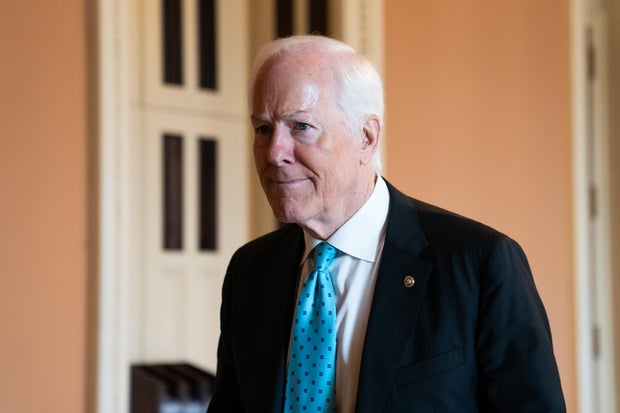
Against this backdrop, FBI Director Kash Patel has announced collaboration with Texas Republicans to locate the absent Democrats. This cooperation was confirmed by Texas Senator John Cornyn in an announcement made this Thursday. This collaboration underscores the tenacity with which state leaders are trying to enforce legislative proceedings and underscores the polarized nature of state politics.
Texas mandates a two-thirds presence in the House, requiring at least 100 out of 150 representatives, to achieve a quorum. The Democrats’ departure has left legislators short of this requirement, stalling government operations and sparking a state-wide and national controversy.
Senator Cornyn, in a widely circulated statement, expressed gratitude towards President Trump and Director Patel, emphasizing the urgency and importance of acting against what he described as lawmakers avoiding their constitutional duties. He highlighted the implications of such actions on the state’s legislative functionality and its governance norms.
From a legal standpoint, this situation has ventured into ambiguous territories. Governor Greg Abbott has called on the Texas Department of Public Safety to enforce the return of the lawmakers but faces jurisdictional challenges as the department’s power does not extend beyond state lines. In an intense turn of efforts, Governor Abbott has also initiated civil actions against these Democrats and has turned to the judiciary for enforcing penalties and potential removal from office.
The crux of the matter is the redistricting initiated by President Trump mid-decade, a rare move which aims to recalibrate congressional districts in favor of the Republican party. This plan has been projected to potentially secure up to five additional seats in Congress for Republicans, fortifying their position in Texas, which currently boasts a tally of 38 representatives with Republicans holding a majority.
The context of these events is steeped in broader political strategies with accusations of bribery surfacing against the Democrats. These accusations have been fueled by claims that their quorum break is bankrolled by donations from various groups including PACs led by notable Democratic leaders like former Texas Representative Beto O’Rourke. Each absent Democrat faces fines, adding financial penalties to the political repercussions.
In the midst of legal skirmishes, Governor Abbott has solicited a judge’s intervention to officially disqualify the Democratic lawmakers for abandoning their official duties, citing a 2021 nonbinding opinion by Texas Attorney General Ken Paxton. This legal maneuver culminated in a lawsuit against Rep. Gene Wu, who is characterized by Abbott as the orchestrator of the quorum break. Wu, in his defense, has voiced strong objections against participating in what he terms a racially charged gerrymandering project mandated by the former President and facilitated by the current administration.
These actions have not occurred in isolation but echo previous instances where Texas Democrats resorted to leaving the state to forestall legislative decisions they opposed. This recurring strategy underscores the deep-set divisions within Texas politics and the lengths to which parties are willing to go in securing legislative influence.
Amidst these political and legal battles, questions about ethical conduct and accountability continue to be at the forefront with Attorney General Paxton initiating probes into the funding sources of the Democrats’ travel expenses, specifically targeting O’Rourke’s PAC. This investigation aims to examine the legality and propriety of the financial support garnered by the Democrats during this tumultuous period.
Looking forward, the political landscape in Texas remains charged and complex with potential Senate races on the horizon that could see shifts in power dynamics. The ongoing saga of the Democratic walkout not only impacts immediate legislative actions but also sets the stage for broader electoral ramifications in both state and national politics.
In conclusion, as Texas grapples with these intense political challenges, the eyes of the nation remain fixed on how strategies, legalities, and the battle for power will unfold in this significant battleground state.