Understanding the Evolving U.S. Diplomatic Stance Toward Iran and Commemorating Memorial Day
In the landscape of global politics, the United States finds itself once again at a pivotal point concerning its international agreements, particularly with Iran. The spotlight has intensified as President Donald Trump recently made a significant proclamation regarding ongoing negotiations over Iran’s nuclear contract. According to President Trump, the ongoing negotiations aimed at curbing Iran’s nuclear capabilities are projected to result in a “great and meaningful” agreement. However, he strongly emphasized that without reaching a pact that meets these lofty standards, the United States would rather opt out and not forge any deal at all.
The Implications of Trump’s Statement on Iran
President Trump’s categorical statement places substantial pressure on the negotiations, signaling a high-stakes diplomatic play. It underscores his administration’s determined approach that seeks not merely an agreement but one that is impactful and transformative. This maneuver is consistent with Trump’s broader foreign policy doctrine that often prioritizes maximalist objectives. By insisting on a “great and meaningful” pact, he sets a clear benchmark that any agreement must significantly restrain Iran’s nuclear ambitions to be acceptable.
From one perspective, this approach could be seen as a strategic move to leverage the stakes for Iran, coaxing them into more profound concessions. On the other hand, it is a veritable gamble, intertwining the deal’s prospects with the potential of returning to heightened tensions if the negotiations falter.
Historical Context and Challenges
Negotiations over Iran’s nuclear program have been a longstanding international issue, involving a myriad of actors and complex geopolitical nuances. The Joint Comprehensive Plan of Action (JCPOA), instigated under President Obama, had originally placed limits on Iran’s nuclear capabilities. However, Trump’s administration had previously withdrawn from the JCPOA, citing inadequacies and the need for a tougher stance. The reintroduction into negotiations by the Trump administration, therefore, marks a crucial turning point that could redefine future Middle Eastern diplomacy and global nuclear non-proliferation efforts.
The primary challenge lies in striking a balance between stringent nuclear restrictions and acceptable relief from sanctions for Iran, which requires meticulous diplomatic prowess and cooperation from both sides’ negotiation teams, including international allies.
Broader Impacts
The outcome of these negotiations could ripple across various spectrums. A successful deal aligning with Trump’s vision could enhance global security, reassure U.S. allies, particularly in Europe and the Middle East, and potentially open avenues for future diplomatic engagements with Iran. Conversely, a failure could exacerbate U.S.-Iran tensions, influence global economic markets, especially in energy sectors, and possibly destabilize an already volatile Middle Eastern geopolitical fabric.
Memorial Day: A Time for Honor and Reflection
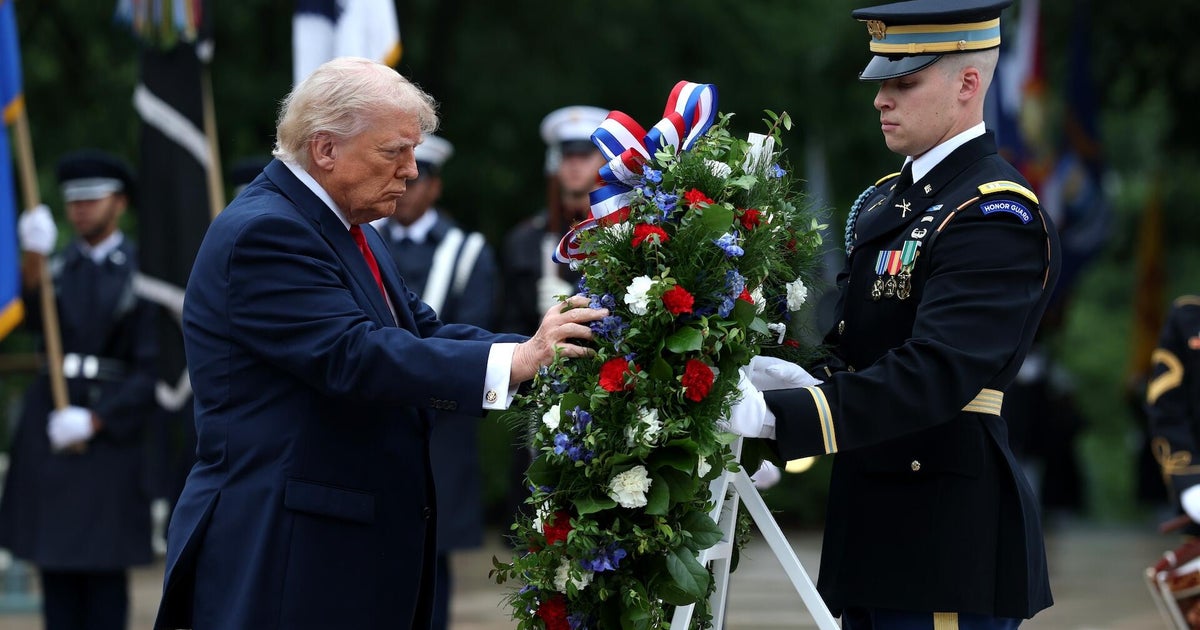
While the international focus on Iran’s deal unfolds, domestically, the United States engages in a solemn and reflective tradition: Memorial Day. Memorial Day is a poignant reminder of the sacrifices made by the U.S. military personnel who have fallen while serving their country. Observed annually, this day ensures that the acts of valor and the ultimate sacrifices of U.S. service members are honored and remembered.
Significance of Memorial Day
Across cities and communities in the United States, citizens come together to commemorate this day through various activities including parades, wreath-laying ceremonies, and visiting memorials. Each act of commemoration renews the community’s collective commitment to remembering the past sacrifices that have shaped the nation.
The essence of Memorial Day transcends merely honoring those who have fallen; it also reaffirms the principles of freedom and democracy that these service members fought to protect. It serves as a bridge connecting past generations of soldiers with the present, their legacy a continuous inspiration for unity and national pride.
Conclusion: Balancing Act of Remembrance and Diplomacy
As the United States navigates through the complexities of international diplomacy with Iran, it is also drawn into introspection about its national identity and values during Memorial Day. Both circumstances, though starkly different, are bound by a common underline of safeguarding national security and values.
On one hand, through stringent diplomacy with Iran, the U.S. seeks to fortify global peace and prevent nuclear proliferation. On the other, by observing Memorial Day, the nation strengthens its internal solidarity, honoring those who have laid down their lives in the pursuit of these very ideals. In this way, both endeavors, foreign and domestic, reflect the ongoing efforts to sustain the bedrock of American democracy and international responsibility.
As the world watches the unfolding events, the intertwining of dynamic diplomacy and solemn remembrance serves as a strong reminder of the responsibilities nations bear on the global stage and the sacrifices required in upholding fundamental values of peace and freedom.