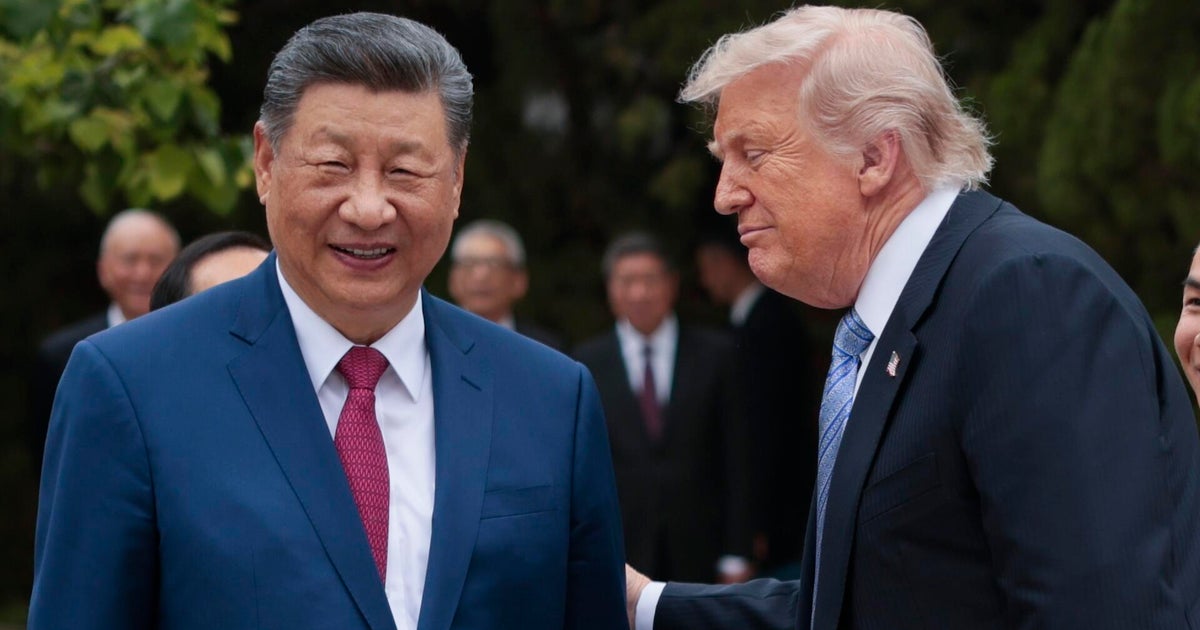
President Donald Trump has just concluded a significant summit with Chinese President Xi Jinping. The details of their discussions are eagerly awaited by both national and international observers, as the outcomes could potentially reshape U.S.-China relations and have broader implications for global economic and geopolitical dynamics. The summit, held in a context of heightened tensions and ongoing trade disputes, was aimed at addressing several sore points, including trade imbalances, security in the Asia-Pacific region, and intellectual property issues.
The two leaders met over several days, engaging in both formal discussions and informal interactions. President Trump expressed optimism about reaching an understanding with his Chinese counterpart, suggesting the possibility of a new phase in the bilateral relations between the two economic giants. President Xi Jinping, on his part, emphasized the importance of cooperation and dialogue in resolving the existing conflicts that strain the U.S.-China relationship.
Trade has been a particularly contentious issue, with the United States imposing tariffs on billions worth of Chinese goods in the past years, and China responding with its own set of tariffs. These economic measures have affected industries and consumers in both countries, raising the cost of goods and disrupting global supply chains. Therefore, a significant part of the summit was likely dedicated to discussions on trade practices, tariffs, and ways to foster a fairer economic exchange.
Another vital aspect of the Trump-Xi summit was likely the security issues in the Asia-Pacific region. With growing concerns about North Korea’s nuclear ambitions and increasing military presence in the South China Sea, both leaders have critical stakes in maintaining stability and preventing regional conflicts. It is anticipated that they sought common ground on how to address these challenges while respecting each nation’s strategic interests.
Intellectual property rights also surfaced as a key topic. The U.S. has long accused China of intellectual property theft, which includes infringements on copyrights, patents, and trademarks. The technology transfer requirements imposed by China on American companies have been a source of friction, spurring the Trump administration to demand changes to Chinese industrial policies. This summit provided a platform for both parties to potentially negotiate solutions that respect intellectual property rights and encourage innovation.
While the outcomes of the summit are yet to be detailed, the meetings between Presidents Trump and Xi Jinping are step towards unravelling some of the knots in the complex U.S.-China relations. The international community remains hopeful that these discussions will lead to tangible policies that benefit not only the two countries but also contribute to global stability and prosperity.
In parallel, a severe situation is unfolding in central Africa, where a deadly strain of Ebola has sparked widespread concern. This recent outbreak has alarmed health officials and the public, as efforts intensify to contain the spread of the virus.
Ebola, a highly infectious virus that causes hemorrhagic fever, results in a high death rate among those infected. Initial symptoms often include fever, sore throat, muscular pain, and headaches, typically followed by vomiting, diarrhea, rash, symptoms of impaired kidney and liver function, and in some cases, both internal and external bleeding.
The central African regions affected by the outbreak are facing significant challenges, as healthcare infrastructure and resource limitations complicate response efforts. Medical teams on the ground are working under strenuous conditions, trying to isolate and treat infected individuals and prevent the transmission of the virus.
International health organizations, along with government bodies, are contributing resources and expertise to manage the outbreak. Initiatives include the establishment of treatment centers, the deployment of additional medical staff, and the distribution of protective equipment. Additionally, public health education campaigns are vital in such outbreaks, as informing the local populations about the risks and preventative measures can significantly reduce the spread of the virus.
Global health leaders are also focusing on the development and deployment of vaccines. Previous outbreaks have stimulated significant research and development investments into vaccines against the Ebola virus, resulting in several candidates that demonstrate efficacy in preventing the infection.
The situation in central Africa raises crucial considerations about global health security and the need for international cooperation in health crises. As diseases do not respect borders, the importance of solidarity in health responses is more relevant than ever. The ongoing efforts to manage the Ebola outbreak not only aim to control the current crisis but also bolster preparations for future potential health emergencies.
In summary, President Trump’s return from his summit with President Xi Jinping marks a critical juncture in U.S.-China diplomatic relations, with the world watching closely for the strategic decisions made by the two leaders. Concurrently, the outbreak of Ebola in central Africa poses a severe health threat that requires an urgent and coordinated global response. Both these events highlight the complexities of dealing with global challenges in today’s interconnected world.