A Clash of Titans: GTA VI and Zelda’s Ocarina of Time Remake Face Off Amid Industry Turmoil
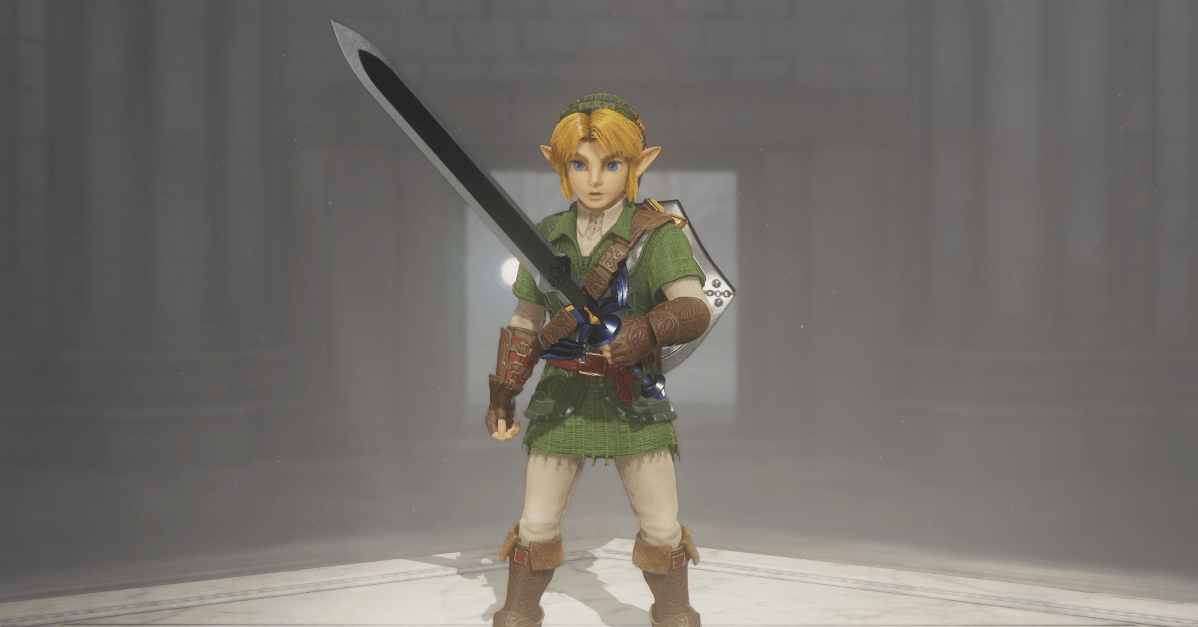
In November 2026, the video game calendar will produce a collision unlike anything seen in years. The two biggest games of the year are scheduled to arrive within weeks of each other. On one side is Grand Theft Auto VI, the long-awaited follow-up to one of the most successful entertainment products in history. On the other is The Legend of Zelda: Ocarina of Time, lavishly remade for Nintendo’s Switch 2. Their proximity is not an accident—it’s a statement. While most of the industry has scrambled to get out of GTA’s way, Nintendo is charging straight toward it.
GTA VI carries enormous expectations. It has been 13 years since the previous installment, and that game—GTA V—has sold an estimated 230 million copies since its 2013 debut. It has been released across three console generations, and its online component remains a financial juggernaut. Rockstar Games, the developer behind the series, has spent decades defining the open-world genre, starting with GTA III and continuing through the extraordinarily detailed worlds of GTA V and Red Dead Redemption 2. With each release, the studio pushed realism and scale to new heights, and GTA VI is expected to be the culmination of that trajectory. According to Circana, an analytics firm, 29 percent of US gamers intend to buy GTA VI. Analyst Mat Piscatella notes that many consumers who haven’t yet purchased a current-generation console may do so specifically for the game, meaning its impact could be felt in hardware sales as well as software.
The release’s shadow is so large that most major publishers have shifted their own blockbusters to avoid sharing the calendar with it. The one notable exception is Nintendo. The company’s holiday tentpole is a lavish remake of Ocarina of Time, a title that is arguably one of the most influential games ever made. The original 1998 release was the first time players explored Hyrule in a fully realized 3D world. It established conventions—lock-on combat, contextual puzzles, cinematic camera work—that would be copied by countless action-adventure games for decades. It also laid the foundation for the modern Zelda era. Breath of the Wild and Tears of the Kingdom transformed the franchise into sprawling, player-driven experiences, and both became massive hits on the Switch, one of the best-selling consoles in history.
The timing of the Ocarina of Time remake is especially strategic. A live-action Zelda movie is scheduled for 2027, and Nintendo is clearly eager to reintroduce the franchise’s most beloved classic to a new generation before that film arrives. The remake is therefore more than a nostalgia play; it is a bridge between the series’ past and its multimedia future. Nintendo’s willingness to release it in the same window as GTA VI signals confidence. The company has long operated as if it exists in its own universe, and its decision to stand its ground is a reminder that not every publisher sees Rockstar as an unbeatable rival.
Together, the two launches could produce a genuine cultural moment. Comparisons to Barbenheimer—the 2023 phenomenon in which Barbie and Oppenheimer opened on the same weekend and generated enormous collective excitement—are inevitable. Video games rarely command that kind of mainstream attention, but GTA VI and Ocarina of Time are different. They have already made appearances on Saturday Night Live, and NBA players have joked about the release date harming on-court performance. The potential for a shared, communal experience is real.
Yet beneath the spectacle, there is a troubling backdrop. The 2026 video game industry is in terrible shape. While there have been excellent games and notable successes, the defining story of the year has been devastation. Layoffs have become routine. Studios that once seemed untouchable have been closed or gutted. Unpopular business models have soured consumer goodwill. Artificial intelligence looms over creative work. Hardware prices have climbed to unsustainable levels. The result is an atmosphere of anxiety and uncertainty.
A snapshot from the past year makes the situation clear. Xbox is undergoing what it calls a “reset,” a process that has involved laying off thousands of developers, closing several studios, and reducing others to shells of their former selves. Epic Games, the company behind Fortnite, cut more than 1,000 jobs after the live-service sector collapsed, and is now reportedly embracing “vibe coding” in an effort to adapt. Sony has struggled as well, cutting positions at Bungie, the developer of Destiny 2, and watching PlayStation 5 sales decline amid rising memory and manufacturing costs. The company has also angered players by moving away from physical media. Major publishers have not been spared: EA and Ubisoft are both in states of upheaval, with reorganizations, buyouts, and restructuring dominating their headlines.
The bad news has continued without pause. In just the last week, EA shut down BioWare, the beloved studio behind Mass Effect and Dragon Age, and canceled the next Mass Effect game. Days later, Sucker Punch—the Sony studio responsible for the successful Ghost of Yōtei—reportedly cut staff. The contrast between the company’s commercial success and its treatment of workers has not been lost on observers. It feels as though every morning brings another announcement of closure, cancellation, or layoff.
The industry is clearly in transition. The old model—blockbuster budgets, annual releases, expensive consoles, endless live-service commitments—is no longer working. The next generation of hardware is threatened by prices that put consoles out of reach for many consumers. AI-powered tools are transforming how games are made and ported, promising efficiency while also threatening the relationship between players and creators. Xbox CEO Asha Sharma recently wrote in a memo that these changes are “unmistakably good outcomes for players, even when (and sometimes because) they challenge our existing business models.” But whether that optimism is justified remains to be seen.
There are exceptions. FromSoftware, the studio behind Elden Ring and Dark Souls, has managed to maintain a distinctive creative identity and commercial viability. Remedy Entertainment has similarly carved out a niche with ambitious, idiosyncratic games. But these are rare success stories in a landscape where the old certainties have collapsed. Big games cost too much to make. Hardware costs too much to buy, and prices keep climbing. Something has to give.
It is tempting to look at GTA VI and Ocarina of Time as proof that the industry can still deliver enormous, confident experiences. But they are not templates for salvation. Nintendo succeeds because it controls every layer of its platform, from hardware to software, and it has spent years cultivating a cautious, risk-averse strategy that prioritizes polish and playability over trend-chasing. The company has built an entertainment empire that extends beyond games into theme parks and movies, and it has managed to weather the industry’s storms by refusing to participate in its worst impulses. Rockstar, meanwhile, is too big to fail. GTA V remained among the top 20 best-selling games in the US for 13 consecutive years, according to Circana. That astonishing longevity gave the studio both the resources and the confidence to take its time with GTA VI, building anticipation to a level no other developer could hope to match.
In many ways, these two November launches are throwbacks to an era when major games felt like safe bets. They are fascinating not only because they are so impactful, but because they may be the last of their kind. The conditions that made GTA VI and Ocarina of Time possible—decades of accumulated goodwill, massive audiences, cultural centrality—are increasingly rare. The video game industry is changing, and it may never produce a moment like this again. For one brief window, however, two of the biggest names in the medium will share the spotlight, and the rest of the world will be watching.