Title: The LeapPad Made a Book the Hottest Toy in America—and Then Couldn’t Top It
For several years, the most coveted toy in the United States was not a doll, a video game, or a plastic blaster. It was a book. To be precise, it was a smart book, a strange hybrid of a children’s storybook and a speaking computer that seemed to have been beamed in from the future. It could play sounds, respond to the tap of a stylus, and help children learn to read, one glowing page at a time. To many parents, it looked like the perfect compromise: a toy that their children loved, and a device that seemed academically serious, even responsible. It promised education, entertainment, and something approaching magic. But that promise came with a high price tag—and, over time, a strange set of parenting questions that nobody was entirely sure how to answer.
That gadget was, of course, the LeapPad. And for a span of years, it dominated the toy market in ways that few educational products have ever come close to matching. It was the kind of thing that grandparents bought after watching their grandchildren play with it at a friend’s house. It was the kind of thing that teachers saw in classrooms and parents saw in living rooms. It was everywhere, and it felt like the beginning of something huge. But the story of the LeapPad is not just a story about a clever toy. It is a story about timing, ambition, and the strange difficulty of following up on a breakthrough idea. Why was this product so irresistible? How did it actually work? And why did the company behind it—LeapFrog—spend years trying, and failing, to catch that same lightning in a bottle again?
On this episode of Version History, host David Pierce is joined by The Verge’s Andru Marino and Jennifer Pattison Tuohy to unpack the full story. Together, they explain how the LeapPad worked, why it felt so magical to kids and so reassuring to adults, and why the company that built it could never quite reclaim the spark that made it a phenomenon. It is a tale of educational ambition, hardware design, and the moment when children’s toys and personal computers began to blur into one another.
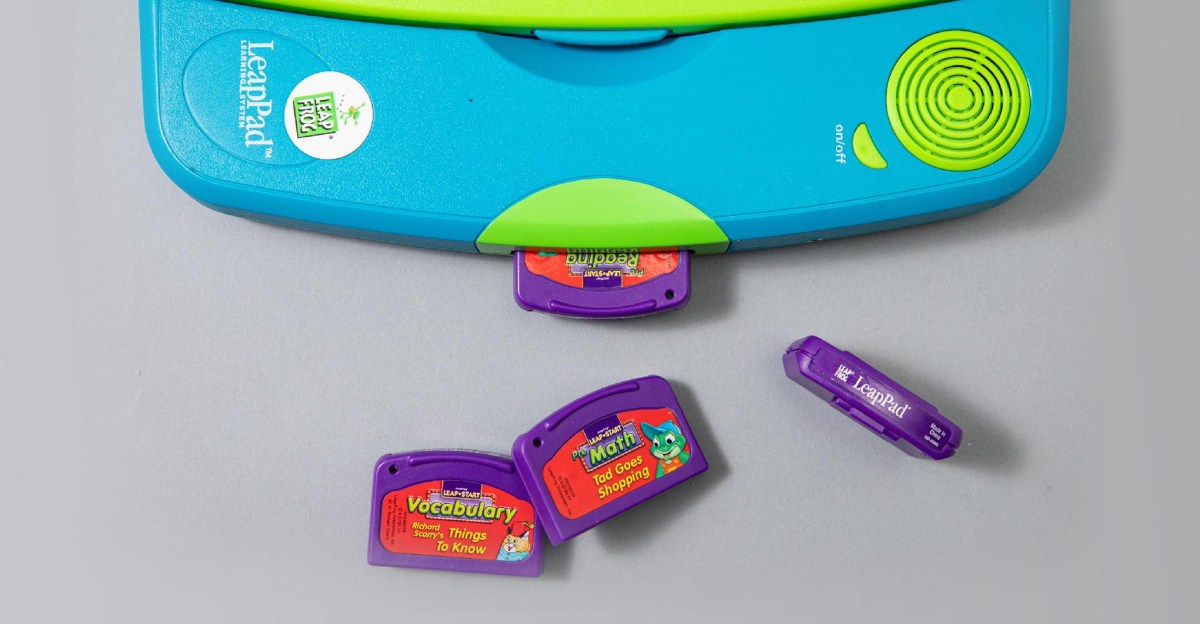
For those who remember the LeapPad, the details are probably still vivid. The device looked like a thick, colorful book, but when you opened it, the pages were embedded with a special kind of technology. It came with a stylus, and when you pressed that stylus onto different parts of the page, the LeapPad would speak, make sounds, play music, or offer gentle feedback. Tap on the word “cat” and you might hear the word spoken aloud. Tap on an illustration of a cat and you might hear a meow. Turn to a page about animals or math, and the LeapPad would guide you through games, quizzes, and little exercises designed to reinforce reading and phonics. For a child, it was like having a book that could talk, listen, and play along. For a parent, it was something even more exciting: proof that the toy in their child’s hands was not just entertainment but an educational tool.
Part of what made the LeapPad so popular was that it arrived at a moment when parents were deeply interested in learning toys but also deeply nervous about screens. This was before tablets, before smartphones, before YouTube Kids and endless app stores and the constant worry over too much screen time. The LeapPad offered an alternative. It felt physical. It felt honest in a way that a glowing rectangle did not. You opened it, you turned actual pages, and you used a stylus that was almost like a pencil. It seemed to combine the best parts of a book with the most exciting parts of a computer. It was small enough to sit in a lap and sturdy enough to survive a toddler. It did not need a Wi-Fi connection. It did not have an internet browser. It did not offer any way for a child to wander into some unexpected corner of the digital world. It simply sat there, waiting to be tapped, and every tap produced a response that felt immediate and personal.
That combination of factors made the LeapPad irresistible to adults. There was no guilt attached to it. If anything, parents were likely to feel like they had made a smart choice, giving their child an early advantage in reading and language skills. It was expensive—often far more expensive than a regular book or a traditional toy—but many parents reasoned that it was worth the investment. It was educational, it was durable, and it was something the child would return to over and over again. For kids, the appeal was even simpler. The LeapPad was interactive in a way that ordinary books were not. It made reading feel like a game. It rewarded curiosity and punished nothing. You could tap whatever you wanted, and the device would respond in a way that felt like a conversation.
But the LeapPad also raised questions that many parents did not expect. Was a child who tapped through a LeapPad book really learning to read, or were they just playing with a toy that sounded educational? Was the device actually helping, or was it just keeping the child busy while a parent did other things? The article notes that this “smart book” was a kind of gadget any parent could get behind, but it also came with unexpected parenting questions. Perhaps those questions were about the high cost, and whether the device was really worth it. Perhaps they were about young children spending hours with a talking device rather than a human being. Perhaps they were about the way the LeapPad threatened to replace the classic bedtime ritual of an adult reading aloud from a physical book. The episode apparently dives directly into those awkward issues, asking what it really meant for a toy to teach a child to read—and whether the magic of the LeapPad was ever truly about reading at all.
The podcast episode also explores the company side of the LeapPad story. LeapFrog, the company behind the device, became a major player in the educational toy market, and the LeapPad was its crown jewel. It was the kind of product that seemed to promise a long and prosperous future. But success in the toy industry is difficult to sustain, and LeapFrog soon discovered that following up on a product like the LeapPad was nearly impossible. There were sequels, spin-offs, and new models, but none captured the world’s imagination in quite the same way. The same technology that had felt so magical in the early years began to feel old as smartphones and tablets became cheaper, faster, and more common. Why buy a dedicated device that could play reading games when an iPad could do that and a thousand other things? The LeapPad had opened a door, but in the end, the very revolution it helped start would outpace it.
This episode of Version History is part of the show’s fifth season, which has been devoted entirely to the most iconic school technology. It is a season about the devices and software that defined classrooms across generations, and the LeapPad fits perfectly into that narrative. It is a product that lived somewhere between home learning and classroom education, and it shaped the way a generation of children thought about books, sounds, and computers. Throughout the season, listeners have already explored the dramatic story of Oregon Trail, the educational video game that became a generational icon. They have looked at the original Chromebook, a forgotten piece of hardware that turned out to be the beginning of something big. They have examined the One Laptop Per Child program, which tried and ultimately failed to make a $100 laptop that would change the world. And they have studied the hidden monopoly behind the Texas Instruments graphing calculator, a device that somehow became a required accessory for millions of math students.
If you missed any of those episodes, the season is worth a catch-up. The series has a gift for taking everyday school technology and uncovering the surprising histories behind it. The story of the LeapPad is no exception. It is a story about educational experimentation, the pressure to make learning fun, and the complicated way parents decide what their children should be playing with. It is also a story about how a single product can feel like the future, only for the future to arrive faster than anyone expected.
For anyone who wants to dig even deeper into the history of the LeapPad and the LeapFrog company, the episode’s show notes offer a collection of useful links. The episode itself is available through the Version History feed, and the full conversation is well worth hearing. David Pierce and his guests bring a great deal of curiosity and nuance to the subject, and they manage to treat the LeapPad with the respect it deserves—as a serious piece of educational technology that genuinely mattered to the families who brought it home.
At its best, the LeapPad represented a beautiful idea: that a child could feel the same excitement about a book as about a video game. It was a smart book, yes, but it was also a warm and playful introduction to the idea that reading is a skill worth practicing. It did not demand that children sit still and memorize facts. It invited them to explore, to tap, to listen, and to try again. That is why it became the hottest toy in America. It was not because it was flashy. It was because it felt like it understood something about how kids actually learn.
But the LeapPad also stands as a reminder of how fleeting technology can be. No matter how magical a product feels in the moment, there is always something else coming. For the LeapPad, the something else was the tablet, and ultimately, the smartphone. The idea of a dedicated reading toy was beautiful, but the world moved toward devices that could do everything. The LeapPad had a moment, and that moment was glorious. It just could not last forever.
In the end, the story of the LeapPad is not just about a toy from an earlier era. It is about the cycle of excitement and uncertainty that comes with every new piece of technology aimed at children. It is about the questions parents still ask—the same ones they asked when the LeapPad first arrived. Are these devices helping our children learn? Are they worth the cost? And what happens when the next big thing shows up? The LeapPad provided a preview of those questions at the very beginning of the interactive age. And in this episode of Version History, the weird, wonderful, and deeply complicated story of that talking book finally gets the deep dive it deserves.