Trump and Mamdani Meet at Gracie Mansion, Focus on Sunnyside Yards and New York’s Future
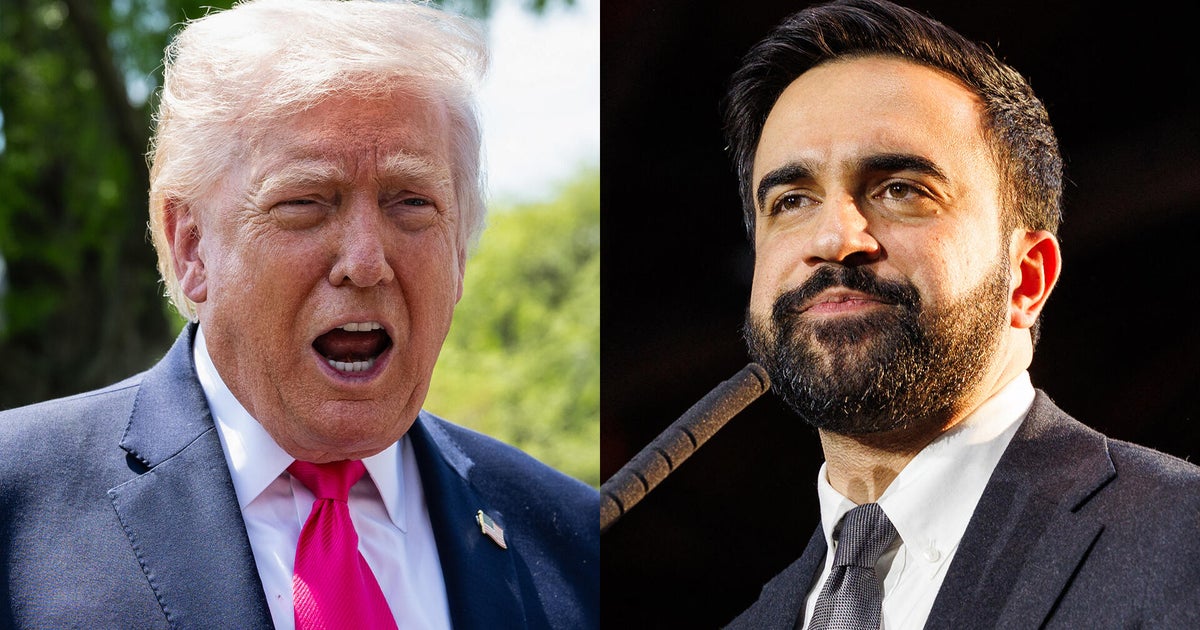
President Donald Trump and New York City Mayor Zohran Mamdani held a high-profile meeting at Gracie Mansion on Monday, marking the third time the two leaders have come together since the mayor took office. It was their first meeting inside the mayoral residence. The pair previously met at the White House in November, shortly after the mayoral election, and again in February.
At the February session, the mayor made a major pitch: a massive housing development in Queens that would require billions in federal aid. During that visit, a mock-up of a Daily News front page was reportedly unveiled, showing the headline “Trump To City: Let’s Build.” That moment captured the ambitious, collaborative tone the mayor has tried to strike with the president from the start.
On Monday, the conversation at Gracie Mansion continued on familiar themes. Mayor Mamdani said he and President Trump discussed the need for affordable housing and also touched on immigration, though neither leader offered many specifics in public. The most significant outcome, according to the mayor, was an agreement to keep talking. The two leaders said they would continue their dialogue about improving the lives of New Yorkers, a theme Mamdani said has been at the center of every one of their meetings.
The mayor and the president appeared together at a news conference after the meeting. Mamdani used the moment to update the public on his Sunnyside Yards proposal, an enormous undertaking that would involve constructing the largest rail deck in the world over Amtrak’s Sunnyside Yard in Queens. On top of that deck, the city would build 12,000 units of housing. The project was originally proposed during the administration of former Mayor Bill de Blasio, but it has found new life under Mamdani, who has embraced it as a centerpiece of his housing agenda.
“We spoke about Sunnyside Yards,” Mamdani said. “It’s a real pleasure that just today we agreed to set up a new level of that conversation between our housing and operations team at City Hall and the White House team, because what we’re speaking about is 12,000 homes, 30,000 jobs.”
President Trump also spoke about the proposal in positive terms. “When we met at the White House, the mayor brought that up, the possibility of doing Sunnyside Yards,” Trump said. “I would say it’s a very federal-oriented job. You’re going to need a lot of federal approvals and probably some federal money to do it, but it has always been a great location.”
The president’s comments were notable because they suggested a willingness to consider federal involvement in a project that has long been seen as technically daunting and expensive. The scale of the development would be unprecedented. The rail yard covers a vast area, and covering it with a deck would create a platform for a new neighborhood in the heart of Queens. Supporters argue it could generate thousands of jobs and help ease the city’s severe housing shortage.
Carlo Scissura, who served on the first Sunnyside Yards task force and has been pushing for the development for more than a decade, praised both leaders for focusing on the project. “The mayor and the president are brilliant for coming together on this,” Scissura said. “You look at other things that have been done across the city or the country, nothing of the magnitude of 200-plus acres that could really revitalize an empty hole in the ground.”
For Scissura and other supporters, the project represents a rare opportunity to transform unused infrastructure into a vibrant community. The idea of decking over rail yards is not new; it has been done in other cities, but never on this scale. The sheer size of Sunnyside Yard makes it both an engineering challenge and an extraordinary opportunity.
However, support for the project is far from unanimous. The rail yard sits in City Councilwoman Julie Won’s district, and she has been openly skeptical of the plan. Won argues that the money and effort required for such a massive, long-term project could be better spent on more immediate needs.
“What are we really talking about here?” Won questioned. “Do we want to solve the housing crisis now? And also the healthcare crisis? Or are we talking about building housing on a deck 50 to 100 years from now?”
Her comments reflect a broader debate in New York City politics: whether to focus on large, visionary infrastructure projects that take decades to complete or on more immediate solutions to pressing problems like homelessness, affordable housing, and healthcare. The Sunnyside Yards project, for all its promise, would almost certainly take many years to move from concept to completion. Critics like Won question whether it is the best use of the city’s limited political capital and financial resources.
The meeting between Mamdani and Trump also took place against the backdrop of a busy week in New York. The United Nations General Assembly is in town, drawing heads of state and foreign ministers from around the world. President Trump is scheduled to address the assembly on Tuesday. According to U.S. Ambassador Mike Waltz, the president is expected to speak about the war with Iran, a plan for peace in Gaza, and his administration’s efforts to confront complex world problems head-on.
In addition to his address, the president is set to meet with world leaders from the United Kingdom, Japan, Venezuela, and Ukraine. Noticeably missing from that list is Israeli Prime Minister Benjamin Netanyahu. Officials said the absence is due to a scheduling conflict, and that Netanyahu is expected to arrive in New York City only after President Trump has already left.
The timing of the Trump-Mamdani meeting, in the middle of UNGA week, underscored the unusual convergence of local and international politics in New York City. For the mayor, it was a chance to bring federal attention to a local issue that could define his administration. For the president, it was another opportunity to project a visible presence in the nation’s largest city, even as his attention was divided by international crises and diplomatic obligations.
The relationship between Mamdani and Trump has been closely watched since the mayor’s election. Mamdani, a democratic socialist with a background in housing advocacy, might seem an unlikely ally for a Republican president. But the two have found common ground around a shared interest in large-scale construction and development. That pragmatism has allowed them to maintain a working relationship that has already produced multiple meetings and a formal channel between City Hall and the White House.
The agreement to establish a new level of conversation between the mayor’s housing and operations team and the White House team is, on its own, a meaningful development. It suggests that the Sunnyside Yards proposal is being taken seriously at the highest levels of the federal government. The project would require not only federal money but also a long series of approvals from multiple federal departments and agencies. A direct line to the White House could help navigate those hurdles.
Still, significant questions remain. How much federal money would be needed? Where would that money come from? What would the timeline look like? And perhaps most importantly, would the project deliver the kind of affordable housing that New Yorkers need? Those questions are likely to shape the debate in the months ahead.
For now, both leaders seemed eager to project optimism. The image of the mayor and the president standing side by side at Gracie Mansion was itself a political statement. It told New Yorkers that their mayor was willing to work with a president who remains deeply unpopular in much of the city. And it told the rest of the country that the president was willing to embrace a local project with the potential to create jobs and housing in a major Democratic stronghold.
The meeting also highlighted the strange and complicated role New York City plays in the life of the man who once called it home. President Trump is a native New Yorker, a real estate developer who built his fortune in Manhattan. Returning to the city for the UN General Assembly and meeting with the mayor at Gracie Mansion gave him a chance to reconnect with his hometown, even as the political landscape around him has become increasingly hostile.
Whether the Sunnyside Yards project moves forward will depend on many factors, including federal funding, environmental reviews, community input, and the political will of both leaders. But Monday’s meeting provided fresh momentum for an idea that has lingered on the drawing board for years. The fact that the mayor and the president agreed to keep talking, and to create a formal structure for those conversations, suggests that the proposal is no longer just a talking point. It is now a matter of active negotiation.
In the end, the main takeaway from the Gracie Mansion meeting was not a detailed policy announcement or a signed agreement. It was a shared commitment to continue the conversation. For a city facing a generational housing crisis, that may not be enough. But for a project as complicated as Sunnyside Yards, keeping the dialogue alive may be the most important step of all.