In the quiet city of Provo, Utah, a complex legal case is unfolding as Tyler Robinson, the accused in the fatal shooting of conservative activist Charlie Kirk, sees his defense team grappling with a mountain of evidence and analyses critical to his possible exoneration. The proceedings, which have captured national attention, took another turn when Robinson’s attorneys filed a motion to postpone the preliminary hearing scheduled for May.
Robinson’s defense argues that they require more time to thoroughly examine extensive evidence, including a pivotal bullet analysis provided by the Bureau of Alcohol, Tobacco, Firearms and Explosives (ATF). The ATF’s analysis has so far failed to conclusively link a bullet fragment found during the autopsy to the rifle discovered near the crime scene. Complicating matters, the FBI is conducting further tests, seeking to provide additional insights through a second bullet analysis and examining the composition of the lead used in the bullet.
The defense’s request for a delay is rooted in these ongoing tests and undisclosed facets of the ATF report, snippets of which have been referenced in public filings to highlight the inconclusive nature of the initial findings. This detail illustrates the complexity of forensic ballistics. Experts in this field analyze microscopic markings on bullet fragments—unique imprints akin to fingerprints, which could identify a bullet’s specific firearm origin.
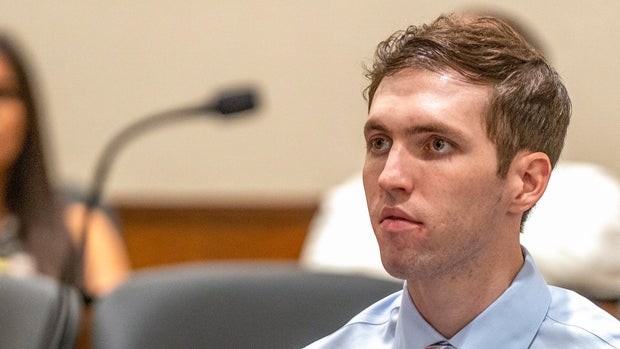
Tyler Robinson, a 22-year-old charged with aggravated murder, is at the center of this legal storm. During a significant court appearance on December 11, 2025, Robinson’s situation was deliberated upon in the Fourth District Court in Provo, as captured in poignant courtroom photos. The gravity of the charges against him is heightened by the prosecutors’ intention to seek the death penalty, further intensifying the scrutiny of every piece of evidence.
The prosecution asserts that the DNA found on the rifle’s trigger, a fired cartridge casing, and two unfired cartridges matches Robinson’s. However, defense attorneys counter this claim by highlighting that the forensic reports show DNA from multiple individuals on certain items, suggesting a need for more nuanced analysis. This point is poised to be a crucial aspect of the defense’s argument, challenging the direct linkage of Robinson to the shooting apparatus solely based on DNA evidence.
Adding to the complexity are the alleged motives behind the shooting. According to prosecutors, Robinson had expressed to his romantic partner his disdain for Charlie Kirk, purportedly texting that he “had enough of his hatred.” This aspect of the case throws a spotlight on the possible premeditation and intent, crucial elements that the defense will have to tactfully address.
As the case progresses, the next pivotal date is April 17, when Robinson is due back in court. The hearing will address a defense motion requesting the prohibition of cameras in the courtroom, a matter that underscores the case’s high-profile nature and the intense public and media scrutiny it attracts.
The unfolding legal drama opens a window into the intricate dance between defense strategies and prosecutorial endeavors. It highlights the painstaking detail involved in forensic testing and the significant implications those results hold in the justice process. As both the defense and prosecution prepare for forthcoming legal battles, they are keenly aware that in the balance hangs not just the fate of Tyler Robinson but also significant questions about justice, evidence, and the truth.
The public and media interest in this case continues to swell, with implications that stretch far beyond the courtroom in Provo. Discussions and debates about the case echo through social media, legal circles, and amongst the general public, reflecting the polarized views on justice and media portrayal of high-stakes criminal cases.
As this case unfolds, it remains a poignant reminder of the complexities of the legal system, the profound capabilities of forensic science, and the enduring debates on moral and judicial reckonings in contemporary society. The outcomes of further analyses and eventual courtroom deliberations are awaited with bated breath by all those involved and by observers far and wide, marking another chapter in the intricate narrative of American criminal justice.