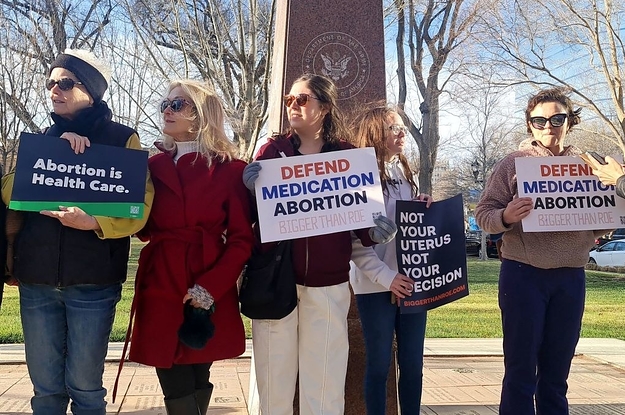
In a legal precedent that underscores the contentious shift in abortion law enforcement across the United States, Alexia Moore, a 31-year-old woman from Georgia, finds herself at the center of a legal maelstrom following her arrest for murder related to a self-induced abortion. Moore was detained after seeking medical help at a local hospital, alleging abdominal pain only to reveal she had attempted to terminate her pregnancy using medication. The incident highlights a deeply polarized America grappling with the implications of a post-Roe v. Wade landscape.
### Background of the Case
On December 30, Alexia Moore arrived at a hospital in Kingsland, Georgia – approximately 100 miles south of Savannah – complaining of severe abdominal pain. It was here that Moore disclosed to medical personnel that she had taken Misoprostol, a drug often used in medication abortions, along with the opioid painkiller Oxycodone. According to arrest documents, the fetus was delivered alive in the hospital but survived only about an hour.
In her distressing admission to the nursing staff, Moore was quoted as saying, “I know my infant is suffering because I am the one who did the abortion. I want her to die.” This statement would later be pivotal in the charges against her, as police utilized it in their warrant.
### Legal Framework and Charges
Georgia law, often referred to as the “heartbeat law,” prohibits abortions once embryonic cardiac activity is detected, typically around six weeks of gestation – a period often before many women realize they are pregnant. Moore’s medical records suggested that she was 22 to 24 weeks pregnant, well beyond the state’s legal window for termination without specific medical justifications.
Following the incident, Moore was charged not only with murder but also with the illegal possession of drugs. The devastating dual charges have ignited significant debate and outrage, particularly among advocacy groups who argue that penalizing women for abortion decisions is a regressive step for societal and women’s rights.
### Advocacy and Legal Representation
Organizations such as Pregnancy Justice have vocally condemned Moore’s charges. Dana Sussman, senior vice president of the group, branded the accusations as “an unprecedented murder charge for an alleged abortion,” voicing a broader concern that such legal actions could set a dangerous precedent. Moore’s mother declined to comment publicly on the case, and the Georgia Public Defender Council confirmed that one of their attorneys is representing Moore, though they provided no further information on their defense strategy.
### Broader Implications and Societal Impact
This case emerges against a backdrop of intense national debate following the U.S. Supreme Court’s decision in 2022 to overturn Roe v. Wade, granting states the autonomy to set their own abortion regulations. A recent study by Pregnancy Justice found that in the 12 months following this reversal, at least 210 women across the U.S. faced criminal charges related to their pregnancy outcomes – a record high. Most of these cases involved allegations linked to substance use during pregnancy.
### Judicial Process and Potential Outcomes
The substantial legal and ethical questions raised by Moore’s case are poised for examination in a court hearing scheduled for Monday. The decision to proceed with the murder charges rests with District Attorney Keith Higgins of the Brunswick Judicial Circuit, which would first entail obtaining an indictment from a grand jury.
Legal experts and strategic spectators have voiced various predictions and concerns. Andrew Fleischman, a Georgia defense attorney not involved in the case, expressed uncertainty about the zeal for prosecution: “Murder is intentionally causing the death of a person,” he explained, highlighting the legal interpretation that could apply in Moore’s scenario.
### Looking Ahead: A Divided Landscape
The case raises intricate legal questions about personhood, motherhood, and existing abortion laws. Elizabeth Edmonds, executive director of the anti-abortion Georgia Life Alliance, insists that the murder charge is justifiable, partly attributing it to Moore’s alleged illegal procurement and consumption of Oxycodone prior to the fetus’s death. Yet, critics argue this intertwines drug enforcement with abortion rights, potentially leading to a slippery slope of legal interpretations.
As civil rights advocates and anti-abortion proponents watch closely, Moore’s upcoming trial could become a landmark case with significant repercussions for abortion rights and criminal law. The ultimate outcome may well set a precedent, influencing how similar cases are handled across jurisdictions where abortion laws have tightened, reflecting the nation’s ongoing ideological divide.