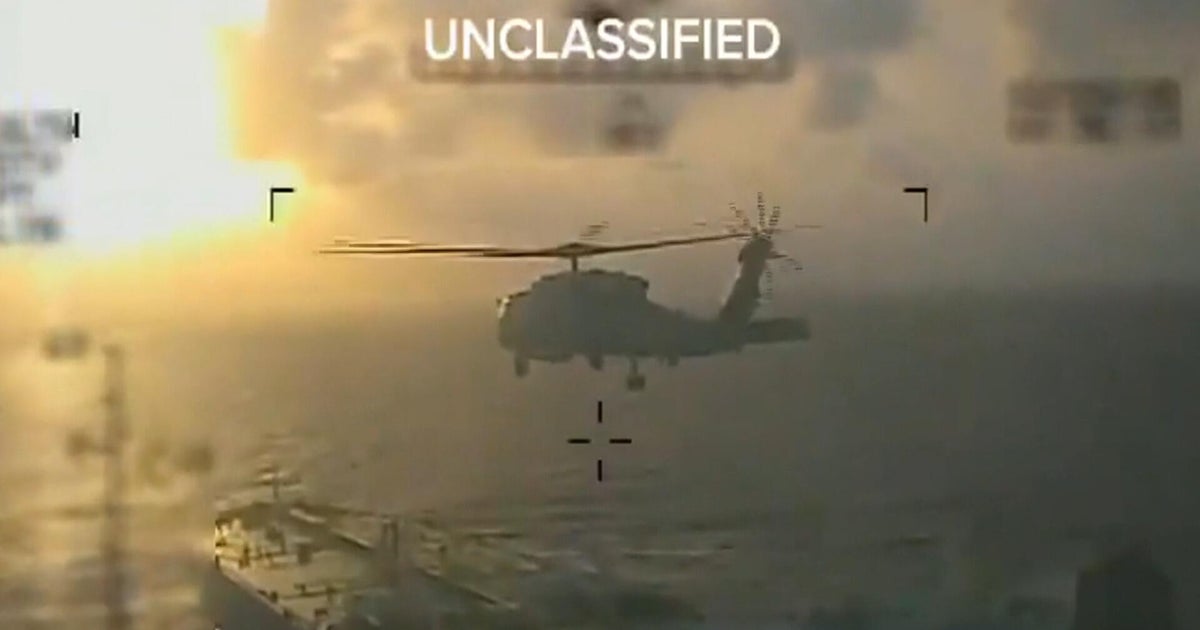
The United States Coast Guard is reported to be pursuing yet another oil tanker that has been sanctioned, this time in international waters. This news was disclosed by a US official to CBS News on Sunday. This recent development indicates an apparent escalation of the Trump administration’s focus on such vessels that have links to the Venezuelan government.
This pursuit of the tanker, which is said to be off the coast of Venezuela, is reported to be the second operation of its kind within the same weekend and the third in under a week. The US official who spoke to CBS News stated that the pursuit on Sunday involved a dark fleet vessel that has been sanctioned, and is considered part of Venezuela’s illegal sanctions evasion.
The official further revealed that the vessel was flying a false flag and was under a judicial seizure order. The Coast Guard’s pursuit of the tanker was first reported by Reuters but the US officials who spoke with Reuters did not provide a specific location for the operation or disclose the name of the vessel being pursued.
In a separate incident that took place in the early hours of Saturday, the US Coast Guard was reported to have seized a vessel flying the Panama flag, named Centuries. According to a US official who spoke to CBS News, the interception of the vessel followed a similar script to an earlier US seizure of an oil tanker in the vicinity of Venezuela.
Anna Kelly, White House Deputy Press Secretary, made a statement on social media stating that the vessel seized on Saturday was a falsely flagged vessel operating as part of the Venezuelan shadow fleet. The purpose of this fleet, according to Kelly, is to traffic stolen oil and fund the narcoterrorist regime of Maduro in Venezuela.
In response to the seizure of the vessel, the Venezuelan government issued a statement on Saturday condemning the action, describing it as a serious act of piracy. The statement further said, “The colonialist model that the US government seeks to impose through such practices will fail and be defeated by the Venezuelan people.”
The Venezuelan government also added that these acts will not go unpunished. It promised to exercise all corresponding actions, including lodging a complaint with the United Nations Security Council, other multilateral agencies, and the governments of the world.
Just last week, President Trump called for a “total and complete blockade” on all sanctioned oil tankers that enter or depart Venezuela. This call represents a part of the ongoing pressure campaign against Venezuelan President Nicolas Maduro.
Sources revealed to CBS News last week that the US military had also seized a sanctioned 20-year-old oil tanker that had just left the port in Venezuela. Kevin Hasset, director of the White House’s National Economic Council, said Sunday on “Face the Nation with Margaret Brennan” that the first two oil tankers seized were operating on the black market and providing oil to countries under sanctions.
Hasset reassured, “And so I don’t think that people need to be worried here in the US that the prices are going to go up because of these seizures of these ships. There’s just a couple of them, and they were black market ships.”
The recent targeting of oil tankers comes as President Trump has ordered the Defense Department to execute a series of attacks on vessels in the Caribbean and the eastern Pacific Ocean. The Trump administration alleges that these vessels are smuggling fentanyl and other illegal drugs into the US. At least 104 people have been reported killed in 28 known strikes since the beginning of September.
As the situation continues to unfold, the global community watches closely to see how these actions by the US government and the corresponding reactions from the Venezuelan government will shape the relationship between the two countries, and indeed, the global oil market. The potential ripple effects on the economies of other countries that are directly or indirectly involved cannot be ignored.
The US government’s strategy of targeting sanctioned oil tankers is a clear demonstration of its hardline stance against the Venezuelan government and the alleged illegal activities it supports. This approach, however, has led to growing tensions and has raised questions about the potential implications for international law and the principles that guide the conduct of nations.
As the global community waits for the dust to settle, the full implications of these actions on international relations, global oil prices, and the Venezuelan people remain to be seen. As it stands, the situation is a complex web of international politics, economic strategies, and legal considerations that will certainly have far-reaching effects.