In-Depth Analysis: U.S. Strategic Directions on Venezuela Amid Military and Diplomatic Tensions
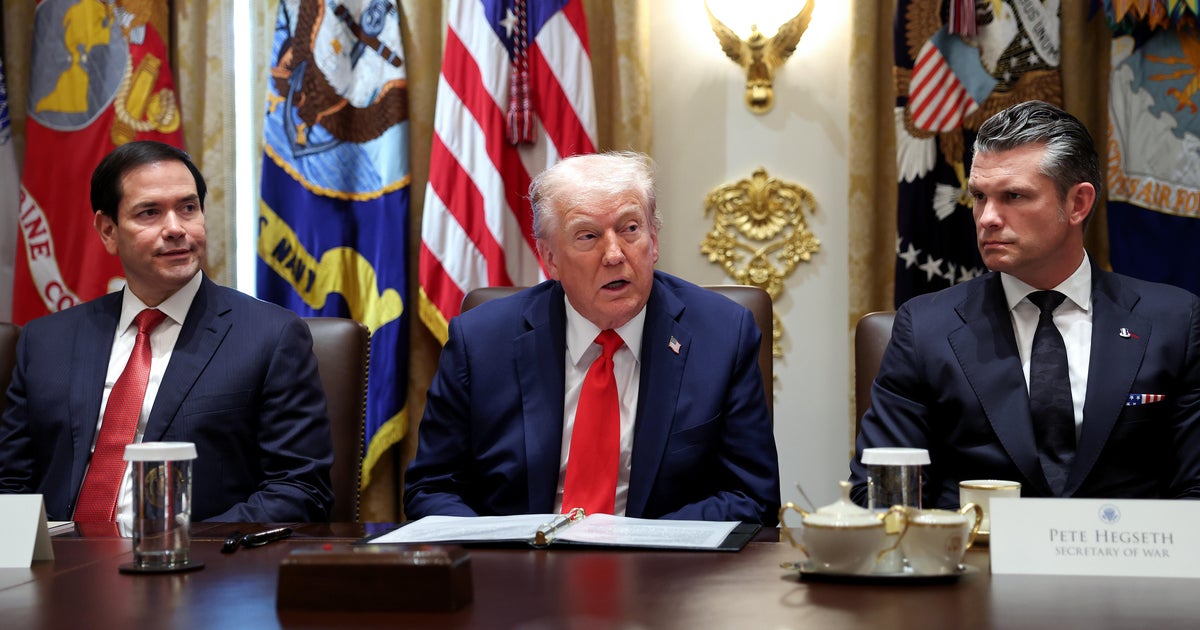
In a pivotal moment for U.S. foreign policy, President Donald Trump held a crucial conference on a Monday afternoon with senior administrative figures to deliberate the future course of actions regarding Venezuela. This assembly included notable appearances by Secretary of State Marco Rubio and Defense Secretary Pete Hegseth, indicating the high stakes and seriousness of the discourse anticipated at this gathering.
The meeting was aimed at delineating the next steps in the aggressive U.S. strategy towards the Maduro regime in Venezuela, amidst increasing tensions and the looming possibility of military interventions. The administration’s expressed intention is twofold: to stymie the narcotics trafficking perceived to be endorsed by Maduro’s administration and to mitigate the authoritarian grip of Maduro on power, which the U.S. contends is leading Venezuela into economic ruin and social chaos.
This assembly materialized after President Trump disclosed having direct conversations with Venezuelan President Nicolás Maduro. Adding complexity to the geopolitical equation, the U.S. has augmented its military presence in the region, purportedly to combat drug cartels, which the Trump administration has labeled as terrorist groups. This military maneuvering, described by Trump as an anti-drug campaign, has been executed alongside the State Department naming Maduro as a terrorist, further escalating tensions.
The strategic military and diplomatic moves have not gone unnoticed. CNN first broke the news about this high-profile meeting, casting light on the intensified scrutiny from lawmakers concerning the Pentagon’s lethal actions against alleged drug-trafficking in the Caribbean. White House Press Secretary Karoline Leavitt confirmed the meeting’s agenda, emphasizing that the discussions would encompass various matters concerning national security, including the situation in Venezuela.
The gravity of the military operations conducted thus far was highlighted in a report by The Washington Post. It revealed that Defense Secretary Hegseth issued an order resulting in lethal force used against a suspected drug smuggling boat in the Caribbean. This initial strike was said to be followed by a contentious second strike aimed at ensuring no survivors, sparking a fiery debate over the legality and morality of such actions under international law. If verified, such an action could potentially breach the regulations of war, including the Geneva Conventions, which mandate humane treatment of all individuals out of combat due to various reasons such as sickness or detention.
A group of former judge advocates general has called these actions into question, suggesting they could amount to war crimes or murder if it’s proven that the military intentionally targeted individuals incapable of combat. This has led to urgent calls for a Congressional investigation into the conduct of military operations in this context, particularly scrutinizing the role and orders given by high-ranking officials like Hegseth.
Adding to the political intrigue, statements from GOP Senators such as Mike Rounds and Roger Wicker pointed to ongoing investigations and discussions at the committee levels to ascertain the facts of these operations. These revelations have painted a complex picture of military engagement and legislative oversight, steeped in concerns over both national security and adherence to international laws and norms.
In the broader geopolitical context, the U.S. administration’s maneuvers appear twofold: firstly, aimed at disrupting drug trafficking routes which are believed to finance the Maduro regime, and secondly, potentially leveraging military postures as a means of political pressure for regime change in Venezuela. This latter point is underscored by the U.S.’s reopening of a naval base in Puerto Rico and the positioning of military assets in strategically significant areas in the Caribbean.
This intricate mesh of military, diplomatic, and political threads illustrates the complex landscape in which U.S. foreign policy towards Venezuela is being shaped. As the Trump administration navigates these tumultuous waters, the global community watches closely, and the Venezuelan crisis continues to present a multifaceted challenge on the world stage. The unfolding events will undoubtedly leave a lasting imprint on international relations, U.S. foreign policy, and the geopolitical dynamics of the Latin American region. This crucial juncture, with its profound implications for international law, U.S. military strategy, and humanitarian ethics, remains a focal point of intense scrutiny and debate among policymakers, analysts, and the global citizenry alike.