In a shocking turn of events, federal immigration authorities announced on Wednesday that they have halted the processing of requests from Afghan nationals after a man who entered the United States from Afghanistan was identified as the suspect in a shooting incident that left two National Guard members injured in Washington, D.C.
The U.S. Citizenship and Immigration Services released a statement declaring that all immigration requests related to Afghan nationals would be put on hold indefinitely pending a review of security and vetting protocols. This decision came shortly after the Department of Homeland Security publicly identified the suspected shooter as Rahmanullah Lakanwal, who entered the U.S. in 2021 under the Biden-era Operation Allies Welcome initiative.
President Trump, in response to the shooting, called for a reevaluation of every Afghan national who entered the country under President Biden’s administration. He emphasized the need to take necessary measures to remove any individual who does not contribute positively to the country.
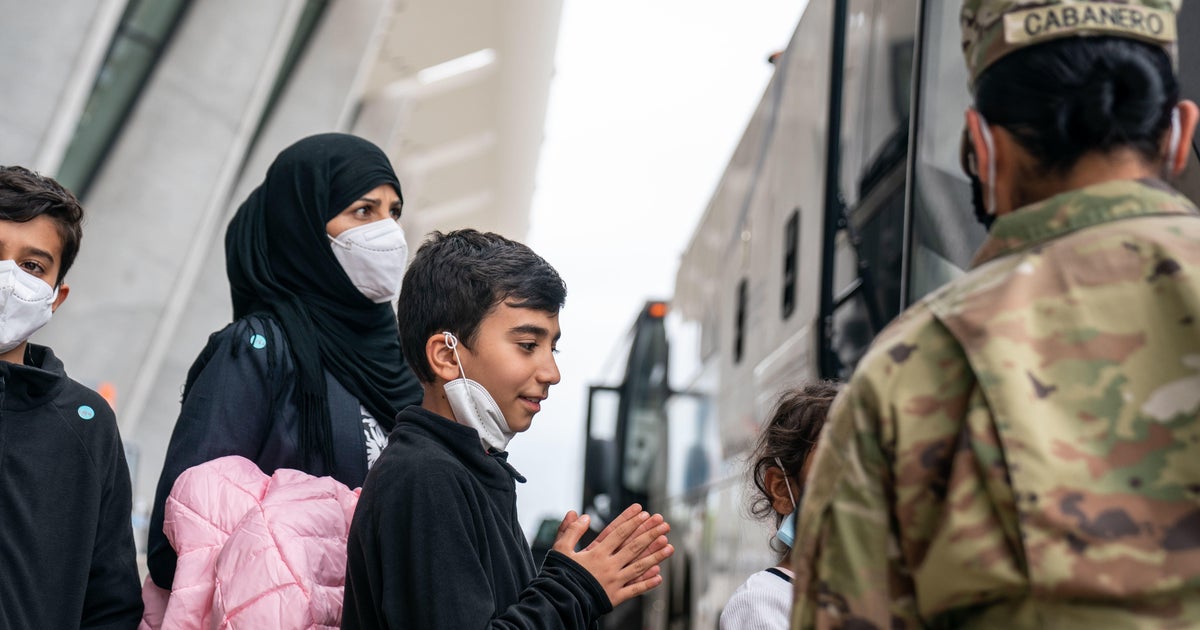
The United States conducted a massive evacuation effort in 2021, evacuating tens of thousands of people from Afghanistan as the Taliban regained control of the country after the withdrawal of U.S. forces.
Under Operation Allies Welcome, upwards of 85,000 Afghans were resettled in the U.S. Many of them qualified for Special Immigration Visas, a type of permanent visa granted to individuals who had worked for the U.S. government, including military interpreters who faced threats from the Taliban for assisting U.S. forces. However, the program faced significant backlogs.
Others from Afghanistan applied for asylum or visas based on family ties to U.S. citizens or green card holders. Some were granted temporary protections like humanitarian parole and temporary protected status, leaving them in limbo without a clear path to permanent residency.
A Department of Homeland Security official revealed that the shooting suspect was paroled into the U.S. on humanitarian grounds in 2021. Lakanwal subsequently applied for asylum in 2024, which was approved in 2025. However, his application for a green card, linked to the asylum grant, was still pending.
Additionally, over 8,000 individuals from Afghanistan were granted deportation relief under a program known as temporary protected status, which was extended by President Biden in 2023 but later terminated by President Trump earlier this year.
Both political parties have expressed support for aiding Afghans who assisted U.S. forces, with the Biden administration emphasizing the importance of standing by those who risked their lives to help American troops.
The shooting incident in Washington, D.C., has reignited debates about immigration policies, security protocols, and the vetting process for individuals entering the country from Afghanistan. It has raised concerns about the potential risks associated with admitting refugees and asylum seekers, particularly in light of recent events involving Afghan nationals.
The Biden administration faces mounting pressure to review and strengthen immigration procedures to prevent similar incidents in the future. The safety and security of Americans, as well as the individuals seeking refuge in the U.S., are paramount concerns that must be addressed through comprehensive and effective policies.
As the nation grapples with the aftermath of the shooting and its implications for immigration and national security, it is crucial to strike a balance between humanitarian values and safeguarding the country from potential threats. Finding this balance will require thoughtful consideration, collaboration between government agencies, and a commitment to upholding the principles of justice and security for all.