In recent developments that have reverberated through the international community, there have been several incidents involving the alleged invasion of Polish and Romanian airspace by Russian-operated drones. The geopolitical ramifications of these events continue to sow uncertainty and test the resilience of diplomatic relations among NATO allies and Russia.
The situation escalated last week when unmanned aerial vehicles (UAVs), widely reported to be of Russian origin, were detected entering Polish airspace. This incursion was not isolated; soon after, a similar breach was reported in Romanian airspace involving another set of drones believed to be controlled by Russia.
The response from global leaders has been swift and marked by a sense of urgency, given the potential for these incidents to exacerbate tensions within the already strained NATO-Russian relations. President Trump, in a statement that raised eyebrows among international political analysts and allies, suggested that the invasion of Polish airspace by Russian drones might have been a mistake. This comment was interpreted by some as an attempt to downplay the severity or possibly deflect the implications of the breach.
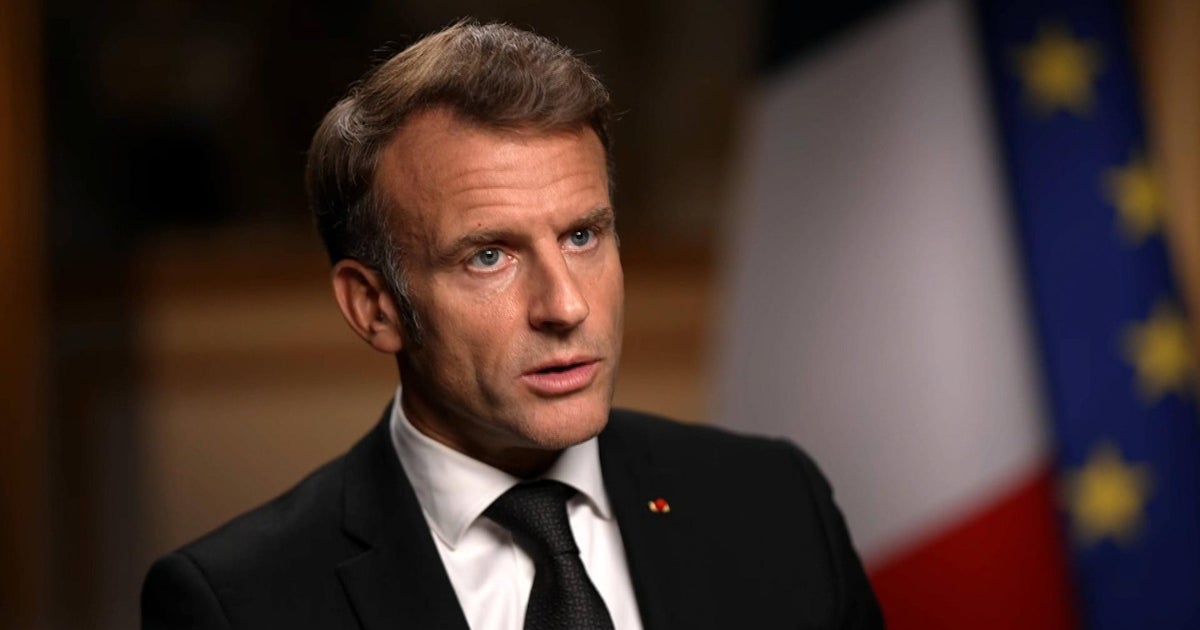
Contrastingly, French President Emmanuel Macron provided a starkly different perspective during an interview on “Face the Nation with Margaret Brennan.” Macron decisively dismissed the notion that the airspace violations were accidental. “There is no mistake,” he asserted, implying that the drone incursions were deliberate moves by Russia, possibly testing the resolve of NATO’s collective security commitments and the readiness of its individual member states.
The situation has prompted a flurry of diplomatic activity, with Poland and Romania, both NATO members, seeking reassurances and support from fellow allies. The events are particularly concerning for these nations, situated on the edge of the NATO alliance and feeling the immediate pressure of Russia’s assertive stance in the region.
The incursions come at a time when NATO is grappling with multiple challenges on its eastern flank, not least the ongoing conflict in Ukraine, which has seen a significant Russian military presence and has fueled fears of a broader regional instability. The use of drones, capable of carrying out reconnaissance and potentially equipped for combat, represents a serious escalation in what many see as Russia’s campaign to test NATO defenses.
In response to these incidents, NATO officials have convened to assess the security implications of the airspace violations and to review the alliance’s readiness and response mechanisms. The use of drones highlights emerging threats that bypass traditional defense systems, necessitating a reevaluation of current strategies to counteract such tactics.
Furthermore, the situation shines a spotlight on the need for a unified response from NATO members. While President Trump’s remarks may suggest an inclination to minimize the incidents, other NATO leaders, including President Macron, perceive them as outright provocations requiring a firm and coordinated response.
The diverging views among NATO leaders about how to interpret and respond to these airspace breaches could present challenges in forging a cohesive strategy. The strength and unity of NATO have often been cited as pivotal factors in maintaining regional security and deterring potential aggressors. As such, differing perspectives within the alliance could undermine its ability to present a united front.
In addition to diplomatic and military responses, there is also a significant public relations aspect to consider. How NATO handles the public discourse surrounding these incidents will be critical in maintaining confidence among member states’ populations and deterring further provocations.
Analysts are closely monitoring Russia’s next moves, as well as the internal dynamics within NATO, to better understand the implications of the recent airspace violations. Some suggest that these actions by Russia are part of a broader strategy aimed at testing the boundaries of acceptable behavior and gauging the reaction of NATO to what could be seen as gray-zone tactics—actions that are aggressive yet fall short of outright warfare.
In conclusion, the incidents involving Russian drones over Polish and Romanian airspace represent a critical juncture for NATO and its relations with Russia. The contrasting responses from President Trump and President Macron highlight the varying interpretations and proposed strategies within the alliance. Moving forward, it will be essential for NATO to address these challenges with a clear, unified strategy that reaffirms its commitment to collective defense and deters further provocations. The international community remains watchful, aware that the handling of this situation could have long-lasting impacts on regional and global stability.