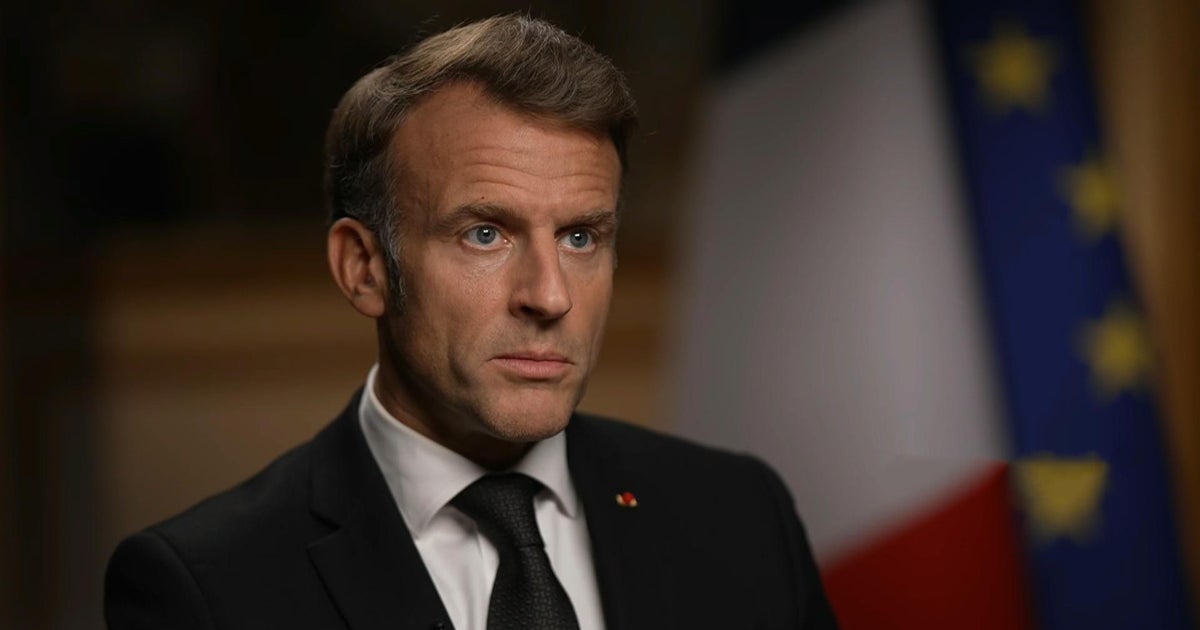
In a controversial and highly publicized exchange that has escalated diplomatic tensions between France and the United States, French President Emmanuel Macron has sharply criticized Charles Kushner, the U.S. Ambassador to France and father of Jared Kushner, senior advisor to President Trump, for his public accusations against the French government’s handling of antisemitism. This situation emerged after Ambassador Kushner penned an op-ed in the Wall Street Journal, wherein he vehemently criticized President Macron’s approach to the rising antisemitic violence within France, and linked the French foreign policy, particularly its stance on Israel and Palestine, to these internal issues.
In his editorial, Kushner expressed his grave concerns regarding what he perceives as a significant increase in antisemitic incidents in France. He claimed that the French government’s policy and rhetoric were insufficient in addressing this surge, and controversially suggested that France’s foreign policy measures, which he claimed include undue criticism of Israel and gestures towards the recognition of a Palestinian state, could potentially embolden extremist actions, thereby fueling violence and endangering Jewish communities. His urgent call to action included stricter enforcement of hate-crime laws, bolstered security for Jewish establishments like schools and synagogues, and a firm governmental stance against groups like Hamas.
Further exacerbating the situation, Kushner explicitly connected anti-Zionism with antisemitism in his letter, a stance that simplifies a complex and highly debated issue within global politics. His pointed statement that “anti-Zionism is antisemitism — plain and simple,” underscores the polarized views on how anti-Jewish sentiment and opposition to the state of Israel’s policies might interrelate.
Responding to these assertions, President Macron, in an interview with Margaret Brennan on CBS’s “Face the Nation,” labeled Kushner’s accusations as both a “mistake” and an “unacceptable statement for someone who is supposed to be a diplomat.” Macron underscored the inappropriateness of these comments by stressing that such public criticisms could not have been made by a French ambassador without potentially jeopardizing international relations. He highlighted the vital distinction between personal expressions of opinion and the formal diplomatic stances that ambassadors are required to maintain, suggesting that Kushner’s actions were an improper use of American taxpayer money and a breach of diplomatic protocol.
The French Foreign Ministry also reacted by summoning Ambassador Kushner, reflecting official displeasure and reinforcing the notion that his comments were considered out of bounds under international diplomatic norms, specifically referencing the 1961 Vienna Convention on Diplomatic Relations which calls for non-interference in the internal affairs of other sovereign states.
However, despite the tensions, the U.S. State Department defended Kushner’s actions, asserting that he remains an effective representative of U.S. interests in France. This support from the U.S. government introduces further complexity into the diplomatic spat, indicating a potential divide in diplomatic approaches between the allied nations.
Simultaneously, Macron took the opportunity to clarify his stance on antisemitism and anti-Zionism. He reiterated his commitment to combating antisemitism, referencing his historic move to adopt a definition of antisemitism that includes anti-Zionism. By doing so, he continues to reject any blanket equivalency between criticism of Israeli government actions and antisemitism.
The broader implications of this diplomatic row extend into the volatile political landscape of the Middle East, particularly in light of President Macron’s recent criticisms of Israeli policies under Prime Minister Benjamin Netanyahu and his advocacy for the recognition of a Palestinian state. These actions, Macron argues, are not driven by antisemitic motives but by a principled stand on human rights and a strategic calculation aimed at stabilizing the region.
Furthermore, Macron’s mention of ongoing discussions for a ceasefire between Israel and Hamas, and the proposed recognition of Palestinian statehood at an upcoming session at the United Nations General Assembly, exemplifies the proactive steps his administration is willing to take to address what he views as a critical international issue needing resolution.
This diplomatic controversy unfolds against an even more complex backdrop characterized by differing national policies towards Israel and Palestine, varied approaches to tackling antisemitism, and the ongoing debate between upholding diplomatic decorum and the right to free speech on the global stage. As nations navigate these turbulent waters, the personal embroilments of figures like Charles Kushner only serve to spotlight the delicate balances and constant negotiations inherent in international diplomacy today.