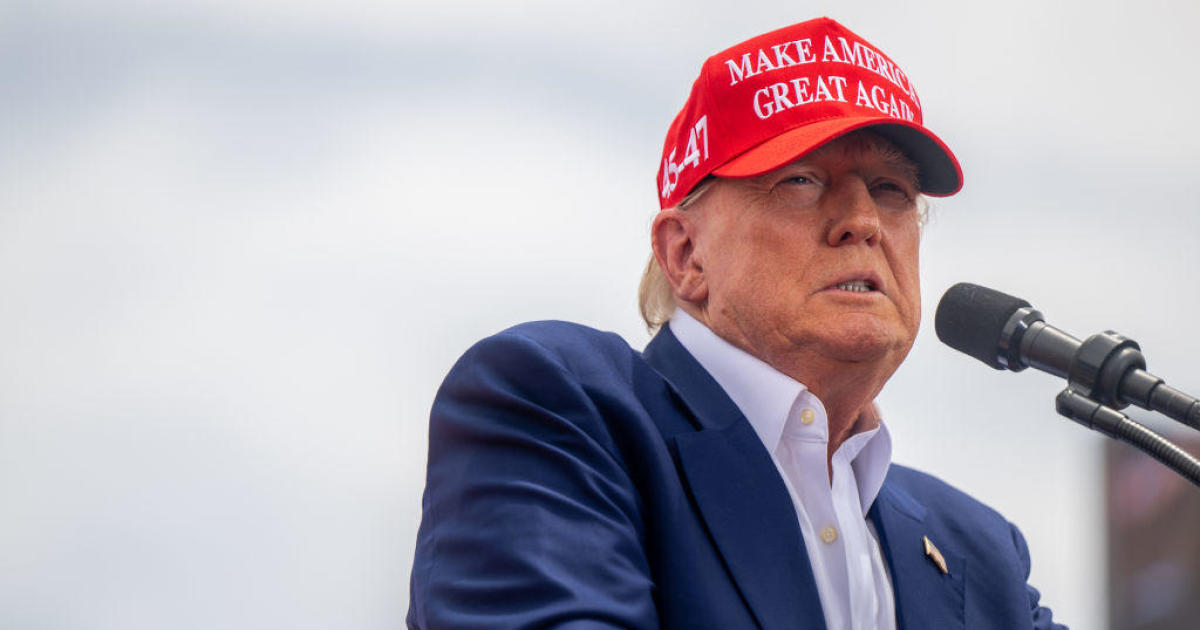
Former President Donald Trump is making a bold move to challenge his conviction in a New York State criminal case by leveraging a recent Supreme Court decision that holds presidents immune from federal prosecution for official actions. This development comes after a letter from Trump’s attorneys was made public on Tuesday, which was filed on Monday following the Supreme Court’s landmark ruling that further slowed the progress of the former president’s criminal cases.
In the letter to the judge presiding over the New York case, Trump’s attorneys Todd Blanche and Emil Bove argued that the Supreme Court’s decision confirmed their defense position that the district attorney should not have been allowed to present evidence at trial of President Trump’s official acts. They emphasized that the verdicts in the case violated the presidential immunity doctrine and posed significant risks to the Executive Branch. Quoting from the Supreme Court’s decision, the attorneys stated that the trial result could not stand and requested further briefing on the issues beginning on July 10, 2024.
In response to the Trump attorneys’ arguments, lawyers from Manhattan District Attorney Alvin Bragg’s office submitted their own letter to the judge on Tuesday. While they disagreed with the defense’s position, they did not oppose delaying Trump’s sentencing date, originally scheduled for July 11. Instead, they requested a deadline of July 24 to respond to the defense’s motion.
Trump’s criminal case in New York is the only one out of four against him to have gone to trial. In May, a unanimous jury found Trump guilty of 34 felony counts of falsifying business records in an attempt to conceal reimbursements for a “hush money” payment to an adult film star. The falsification of records occurred while Trump was in the White House in 2017.
The recent Supreme Court decision extended broad immunity from criminal prosecutions to former presidents for their official conduct. However, the issue of whether Trump’s actions constituted official acts had already been litigated in his New York case. In 2023, Trump had sought to transfer the case from state to federal jurisdiction, arguing that the allegations pertained to official acts within the scope of his presidential duties. This argument was dismissed by a federal judge who found that the evidence overwhelmingly suggested the matter was a personal issue rather than related to official presidential duties.
Despite initially appealing the judge’s decision, Trump eventually dropped the appeal, leading to the case going to trial in April. Following the jury’s guilty verdict, Trump vowed to appeal the conviction, setting the stage for the legal battle that is now unfolding in the aftermath of the Supreme Court’s decision.
As the legal wrangling continues, the implications of this case extend beyond just Trump’s individual fate. The clash between the Executive Branch and the judicial system highlights the complexities of holding a former president accountable for alleged criminal conduct. The tension between immunity for official acts and the pursuit of justice for personal actions raises fundamental questions about the limits of presidential power and the rule of law in a democratic society.
The outcome of this case will not only determine Trump’s legal standing but also have far-reaching implications for future presidents and the accountability mechanisms in place to ensure that those in power are held to the same standards as ordinary citizens. The legal battle that is unfolding in New York represents a critical test of the American justice system and its ability to navigate the complexities of presidential immunity and criminal prosecution.
In the coming weeks, as both sides present their arguments and the judge considers the implications of the Supreme Court’s decision, the fate of Donald Trump’s conviction in the New York State criminal case hangs in the balance. The outcome of this legal battle will not only shape Trump’s legacy but also have lasting implications for the relationship between the presidency and the rule of law in the United States.