In a landmark decision, U.S. President Trump has given the green light for California-based semiconductor giant Nvidia to resume sales of its advanced H200 computer chips to designated customers in China. This decision promises significant commercial benefits and strategic versatility amid the ongoing technological tug-of-war between the United States and China.
The ruling comes after extensive briefings and consultations and is seen as an economic stimulus for the AI sector in both countries. Under the new agreement, the U.S. government will collect a 25% tariff on chip sales to China, according to the President’s statement on Truth Social. However, the permission granted to Nvidia does not extend to its more cutting-edge Blackwell system or the anticipated Rubin system, which are considered too sensitive for release under current geopolitical conditions.
President Trump’s statement also indicated that he personally notified Chinese President Xi Jinping of this policy shift, which reportedly received a positive reaction from Beijing. The arrangement will proceed under stringent conditions geared toward protecting national security, ensuring that the technology does not compromise the United States’ strategic interests.
This critical development is part of a broader endeavor by the Trump administration to regulate the flow of sensitive technologies under national security pretenses while fostering growth within the domestic AI and semiconductor industries. The approach used in Nvidia’s case will also apply to other U.S.-based semiconductor companies like AMD and Intel, suggesting a systemic shift towards more controlled yet profitable trade relations with China in the high-tech sector.
A spokesperson for Nvidia praised the decision, stating that it “strikes a thoughtful balance that is great for America,” underscoring the dual benefits of revenue enhancement for U.S. firms and the maintenance of strong national security standards. This perspective was mirrored during a press conference in Beijing, where a representative of China’s foreign ministry emphasized the mutual benefits inherent in such bilateral cooperation, highlighting its essential role in the economic and technological advancement of both nations.
Nvidia, renowned for its high-powered computer processors crucial for artificial intelligence applications, has witnessed an astronomical rise in valuation. The recent AI boom has catapulted Nvidia to become the most valuable publicly traded company in the U.S., boasting a market capitalization of approximately $4.5 trillion as of the announcement date. The strategic importance of AI and its dependency on advanced semiconductor technology like that produced by Nvidia underscores the high stakes involved in controlling the production and dissemination of these technologies.
Historically, both the Trump and Biden administrations have enforced strict controls on the export of advanced semiconductor technology to China, particularly when such technology could potentially be used for military purposes or significantly boost Beijing’s own AI capabilities, adversely affecting U.S. national interests. These protective measures have garnered bipartisan support, reflecting widespread congressional consent for maintaining a competitive edge and ensuring national security.
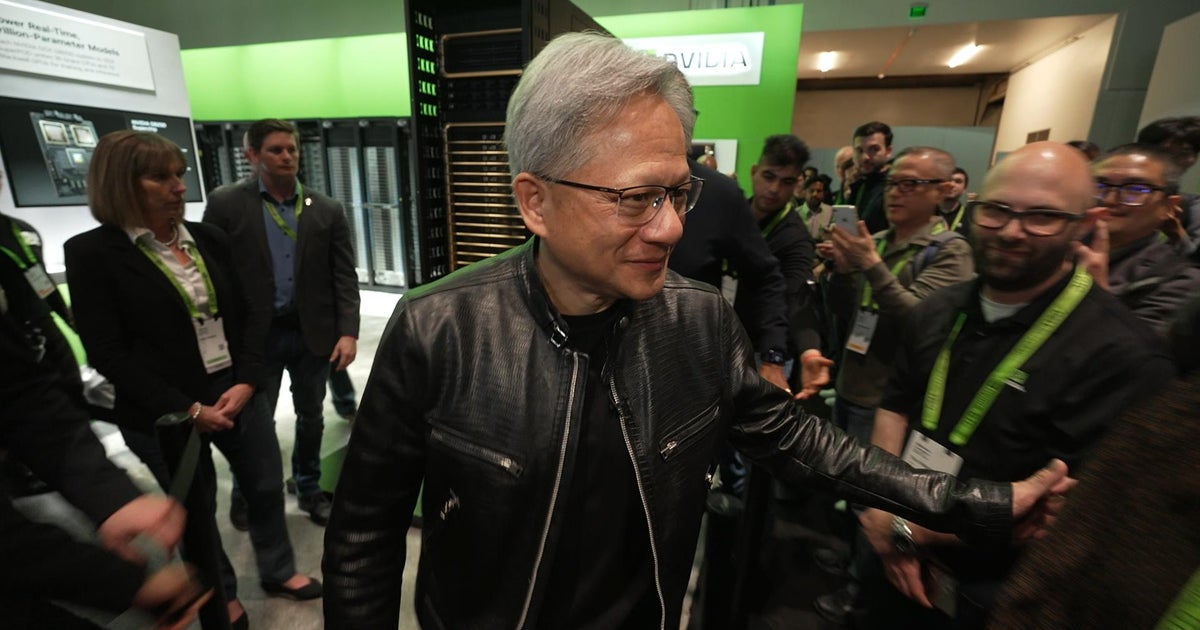
Despite these restrictions, Nvidia and its CEO, Jensen Huang, have actively lobbied for more lenient access to the lucrative Chinese market. Huang has publicly criticized the U.S. export restrictions as counterproductive, asserting that they have inadvertently accelerated China’s efforts to develop its indigenous AI chip industry. This perspective aligns with several high-profile discussions between Huang and President Trump, where they deliberated the future of U.S. semiconductor policy and its impact on global technology landscapes.
President Trump’s ongoing negotiations to foster relationships with U.S. chipmakers have seen varying strategies, including proposed revenue-sharing models where the government would take a cut of the sales to China. This pragmatic approach to semiconductor sales was evident in previous plans revealed by the Trump administration, which entailed export licenses for Nvidia and AMD in exchange for a 15% cut of revenues.
Furthermore, this strategic maneuver to bolster the U.S. semiconductor industry through federal partnerships and financial stakes is part of a larger vision to fortify the nation’s technological infrastructure. These collaborative efforts between the government and the private sector stipulate a sophisticated balancing act—boosting economic growth and innovation while safeguarding vital national interests and security.
In the broader context, this event marks a notable shift in international tech-trade dynamics, laying down new ground rules that could inform future technology exchange agreements and set precedents for how advanced technologies are dealt with on the global stage. The implications of this deal extend beyond mere commerce, speaking volumes about the geostrategic importance of maintaining technological superiority in an era increasingly dominated by high-stakes AI competition.