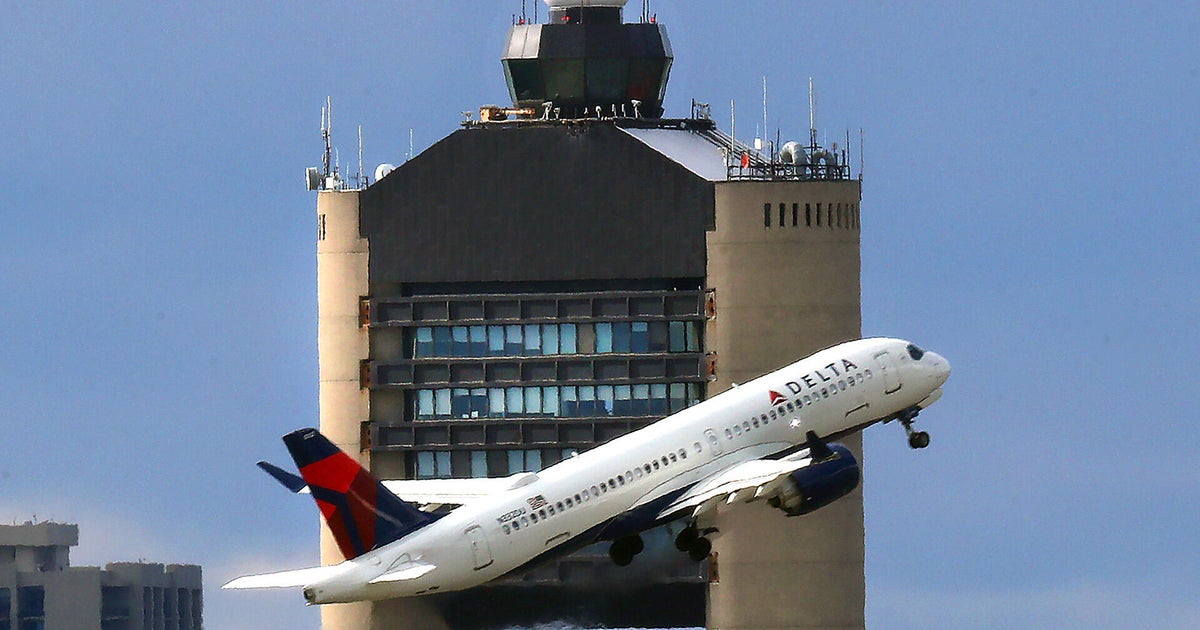
During the recent governmental stalemate, which marked the longest shutdown in U.S. history, the Federal Aviation Administration (FAA) implemented severe restrictions on air travel, impacting thousands of flights nationwide and causing significant disruptions at major transportation hubs across the country. On Sunday, the FAA announced a critical update that would see these restrictions lifted, signaling a return to standard operations and providing relief to passengers and airlines affected by the imposed limitations.
The restrictions, which initially came into effect on November 7, were placed on commercial flights at 40 significant U.S. airports. This decision was part of a broader strategy to manage reduced staffing levels at air traffic control centers, a direct consequence of the government shutdown. Staff shortages raised considerable safety concerns, prompting the FAA to cap flight operations to ensure that air traffic controllers could maintain safety standards despite the diminished workforce availability.
Airlines had been operating under constrained conditions, with the limits causing a ripple effect of delays, cancellations, and general travel disarray, particularly at large airport hubs in cities like New York, Chicago, Los Angeles, and Atlanta. The effects of these restrictions were widespread, impacting not only domestic flights but also international routes entering and exiting the United States.
Transportation Secretary Sean P. Duffy and FAA Administrator Bryan Bedford, in a joint statement, declared that all airlines would be permitted to resume their regular schedules starting from 6 a.m. EST on Monday following the update. This resolution was brought about by an FAA safety team’s recommendation after a comprehensive review of safety trends and noting a steady reclamation of staffing levels in air traffic control facilities.
During the period of the restrictions, the FAA made several adjustments to the severity of the flight caps based on evolving circumstances. Initially set at a 4% reduction, the limits on flights were later increased to 6% as the staffing situation appeared to worsen. However, by Friday before the announcement, as more controllers returned to work and conditions improved, the FAA rolled back the restrictions to 3%. Despite these limitations, data from aviation analytics firm Cirium illustrated that cancellations during the weekend were notably fewer than expected, with less than 1% of flights being canceled. Flight tracking website FlightAware echoed this sentiment, reporting that 149 flights were cut on Sunday and 315 on Saturday, both figures falling well below the FAA’s set thresholds.
The turning point for these operational constraints came as an increasing number of air traffic controllers resumed work following the cessation of the 43-day shutdown on November 12. The FAA noted a significant reduction in staffing-trigger events, which, coupled with improved weather conditions throughout the week, allowed for an uplift in the previously grim operational landscape. Congress’s movements towards a resolution were pivotal in these shifts, fostering an environment where further rate cuts could be paused and eventually lifted.
Throughout the shutdown, numerous incidents of non-compliance by carriers were reported, with the FAA taking these occurrences seriously and considering various enforcement options. However, specifics of the non-compliance issues or the potential repercussions remained under deliberation and were not disclosed.
The implications of the shutdown were extensively felt within the aviation sector, particularly among air traffic controllers who were among the federal employees required to work without pay. Missing two paychecks during the shutdown, these essential workers faced significant personal and professional strain, contributing to the operational challenges experienced by the FAA during this period.
Despite not revealing the precise safety data that prompted the initial flight restrictions, Secretary Duffy remarked on various troubling safety incidents observed during the shutdown. These included reports of planes getting excessively close while airborne, runway incursions, and pilots raising concerns over the responsiveness of air traffic controllers.
Looking forward, airline leaders have expressed optimism about the recovery of operations, especially with the Thanksgiving travel period on the horizon. With the FAA’s flight operation restrictions now lifted, the industry hopes for a stabilization of services, which would aid in managing the anticipated surge in holiday passengers and help airlines recuperate from the financial and operational toll imposed by the extended federal shutdown.