In a development that starkly underscores the intensified political skirmishes within the U.S. federal enforcement agencies, a lawsuit has been lodged against high-ranking officials by a group of former FBI agents. These agents were terminated from their positions over their investigative roles concerning former President Donald Trump’s attempts to overturn the results of the 2020 presidential election. This legal battle not only highlights the ongoing tensions within these critical institutions but also raises poignant questions about freedom of expression, due process, and political neutrality in federal service.
The plaintiffs in the case, Jamie Garman, Blaire Toleman, and Michelle Ball, are all seasoned investigators with extensive experience in handling public corruption. Their expertise led them to be assigned to the special counsel Jack Smith’s investigative team, a pivotal group delving into the contentious election activities associated with President Trump.
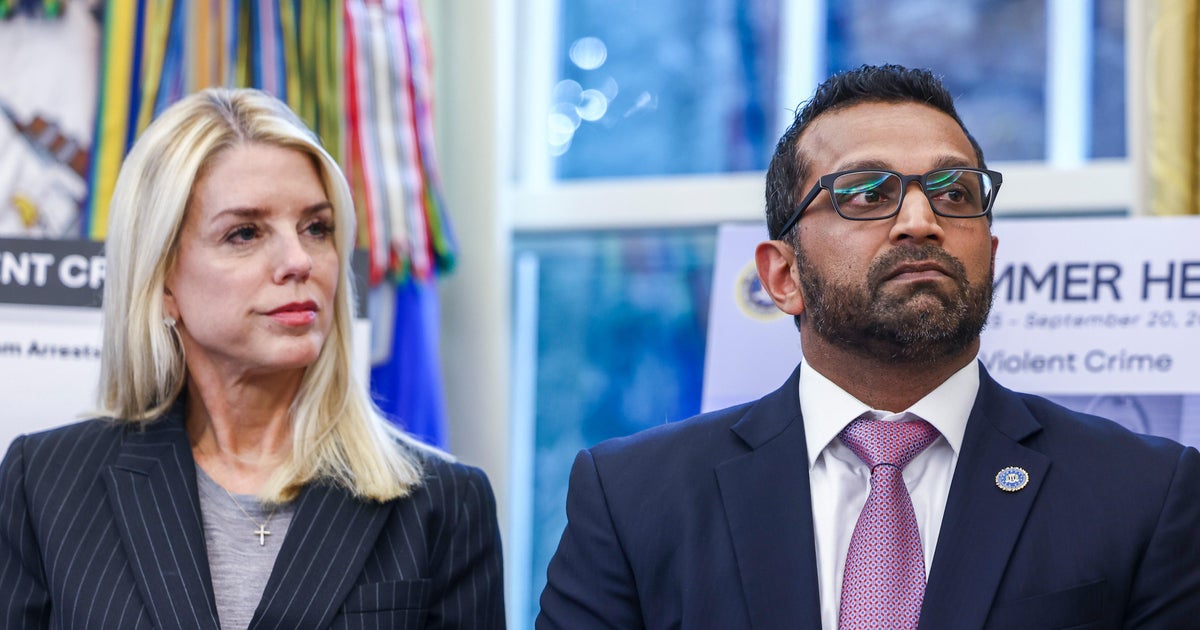
This lawsuit, which marks a significant escalation in the internal strife at the Federal Bureau of Investigation (FBI) and the Department of Justice (DoJ), has been filed in the D.C. U.S. District Court. It names both the Attorney General, Pam Bondi, and the FBI Director, Kash Patel, as defendants. Interestingly, it isn’t an isolated incident but the second such lawsuit filed this month that targets the DoJ’s treatment of former FBI agents involved with the 2020 election probe known as “Arctic Frost.”
The core of the plaintiffs’ complaint lies in what they allege to be a wrongful termination driven by political biases rather than any professional misconduct or failure. The complaint asserts, “Defendants, the current Director of the FBI, Kashyap P. Patel, and Attorney General Pamela J. Bondi, have, from the beginning of 2025, embarked on a public campaign to oust Plaintiffs from federal service, branding them as political opponents.” They argue that such actions are prejudiced and contravene the principles of impartiality essential to their roles.
At the heart of this contentious legal battle is the claim that more than 50 FBI employees have been dismissed based on perceived political affiliations, a number which could increase as the case progresses. These actions were allegedly taken without affording the employees due process, further tarnished by public disparagement of their service records by high-ranking officials.
The scope of the proposed class in this lawsuit is not limited solely to the dismissed employees from Smith’s Trump investigation. It extends also to other former agents ousted under various politically charged pretexts, ranging from perceived support for the Black Lives Matter movement to disfavored personal associations and being the target of certain far-right media entities. Furthermore, the suit details how internal communications possibly flagged by an artificial intelligence system contributed to these terminations.
A poignant aspect of their dismissal relates to their involvements in the Arctic Frost investigation, particularly after the unredacted release of investigative materials to Congress—materials that were supposedly protected under grand jury secrecy laws. The breach of such laws, as the plaintiffs argue, further jeopardized their positions and compromised their capacity to defend themselves against the public and internal allegations laid against them.
The plaintiffs vehemently contend they are unjustly unable to access crucial information that could refute the charges against them owing to the protections afforded by grand jury secrecy rules and the Privacy Act. They frame their inability to disclose such information, under threat of criminal or civil liabilities, as a severe impairment to their rights and reputations.
While spokespeople for both the FBI and the Department of Justice were unavailable for immediate comments, this lawsuit distinctly illustrates the growing rift within America’s pivotal law enforcement and justice institutions. It embodies a conflict that transcends individual grievances, touching upon broader themes of legality, fairness, and the very integrity of public service.
Additional complaints have arisen from other former agents who were similarly expelled under contentious circumstances. Notable among these are agents who participated in kneeling during racial justice protests following the tragic death of George Floyd in 2020—an act meant to symbolize peace and solidarity but which perhaps led to unforeseen professional repercussions.
As the legal proceedings unfold, this lawsuit is likely to not only elucidate the intricacies of political neutrality and freedom of expression within the law enforcement ranks but also potentially set precedents for how similar cases are handled in the future. The outcome could have far-reaching impacts on public trust towards such institutions and the individuals they employ. Furthermore, this case could become a cornerstone for discussions and policies surrounding the rights of employees within the national security and law enforcement sectors in the face of political and public pressures.