Deep Dive into the U.S. Supreme Court’s Decision on the Transgender Military Ban
Introduction
In a significant development from Washington, the Supreme Court has decided to allow the Trump administration the go-ahead to implement its contested policy that excludes transgender individuals from serving in the military. This decision comes amid ongoing legal battles concerning the constitutionality and implications of the policy. This move by the Supreme Court effectively places a hold on the lower court’s order that had earlier prevented the Trump administration from enforcing this ban nationally.
Background of the Policy
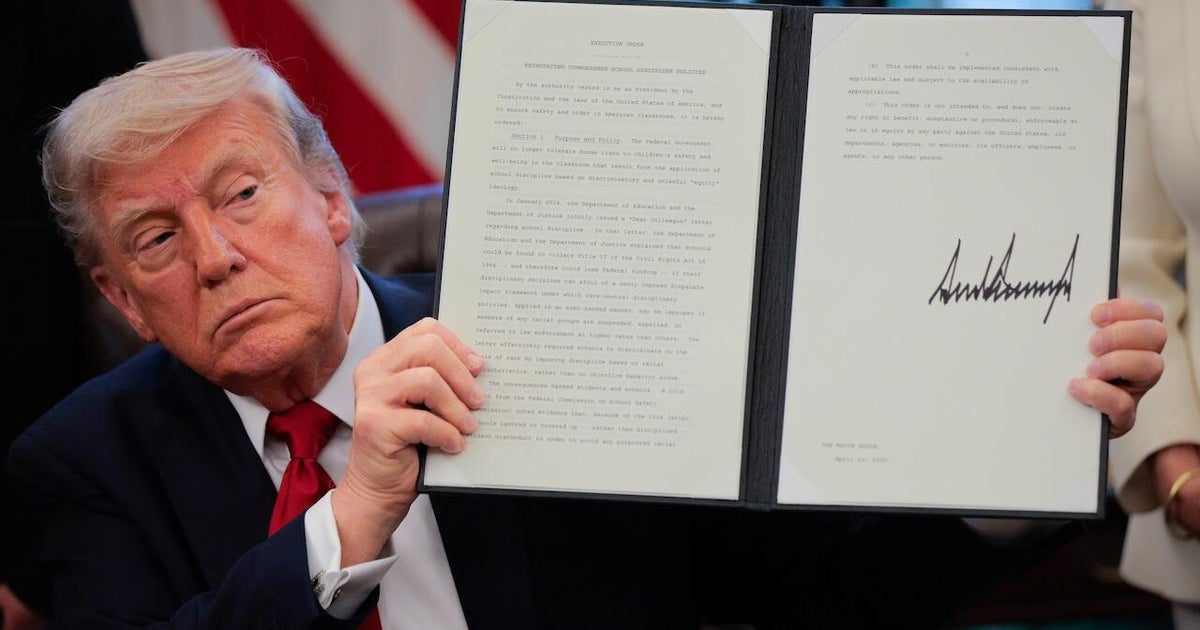
Under the Trump administration, a policy was formulated and set into motion through an executive order signed by President Trump in January 2018. This executive order specifically targets individuals suffering from gender dysphoria, deeming the military’s stringent demands for troop readiness, cohesion, and integrity incompatible with the medical, surgical, and psychological treatments associated with gender dysphoria.
President Trump articulated that adopting a gender identity differing from one’s biological sex contradicts a service member’s obligations to uphold an honorable, honest, and disciplined lifestyle, even in personal domains. This stance has sparked a wide range of reactions and brought to the forefront the issue of rights and equal treatment within the military apparatus.
The High Court’s Stance
The Supreme Court’s decision to allow the temporary enforcement of the ban, while legal challenges proceed, came despite the opposition from three justices: Sonia Sotomayor, Elena Kagan, and Ketanji Brown Jackson. The ruling lifts a previous injunction from the district court, which the Justice Department asked to be set aside after an appeals court left it in place.
Reactions to the Decision
The White House, through the press secretary Karoline Leavitt, lauded this decision as a significant victory, highlighting that President Trump, along with Defense Secretary Pete Hegseth, is intent on reorienting the military’s focus towards optimal readiness and lethality, devoid of what they term as ‘DEI or woke gender ideology.’
In contrast, advocacy groups such as Lambda Legal and the Human Rights Campaign which represent the servicemembers challenging the ban, reiterated their stance that the policy not only infringes on constitutional rights but is fundamentally rooted in prejudice rather than practical military efficiency. They argue that transgender service members have shown equal capability and adherence to military values as their cisgender counterparts, and that policies should reflect these facts rather than discriminatory biases.
Implementation and Its Implications
Following Trump’s executive order, the directive from Defense Secretary Hegseth led to the Pentagon pausing new enlistments from individuals diagnosed with gender dysphoria and putting a halt to gender-affirming medical procedures. This essentially required military branches to commence the identification and possible discharge of transgender service members. This policy, despite the presence of over 1.2 million active-duty military personnel, affects those thousands who identify as transgender and have been serving openly since the lifting of previous bans.
From 2016 to 2021, Defense Department data indicates that approximately 1,892 service members received gender-affirming medical care. With nearly 4,200 troops being diagnosed with gender dysphoria as of late 2022, the financial and personal impacts of the Trump-era policies broadly undercut the support networks and career trajectories of numerous service members.
Legal Challenges and Future Directions
The legal challenges to this policy hinge on arguments of discrimination and constitutional violations. Advocates and plaintiffs argue that the policy unabashedly discriminates based on sex and transgender status without valid military rationale. Grounded in these assertions, a broader judicial review by the Supreme Court is anticipated as these appeals progress.
The advocacy groups and plaintiffs maintain that rather than enhancing military effectiveness, the ban disorients and potentially dismantles well-integrated military units, dismissing skilled and dedicated service members based purely on their transgender status—actions they claim to violate basic human rights and equal protection under the law.
Conclusion
As the Supreme Court’s decision allows the Trump administration’s transgender military ban to proceed temporarily, substantial social, legal, and personal ramifications hang in the balance. While proponents of the ban emphasize readiness and coherence of military units, opponents continue to challenge what they perceive as a policy deeply intertwined with unjust prejudice. The ultimate resolution of this contentious issue remains pending as the lower courts continue to deliberate on the constitutional dimensions of the policy.
In viewing these developments, one must consider not only the immediate impact on members of the military but also the broader societal messages regarding inclusivity, equality, and respect for individual rights within state structures, especially the military. As this scenario unfolds, all eyes will indeed remain on the ongoing legal battles and the eventual pronouncements of the judiciary.