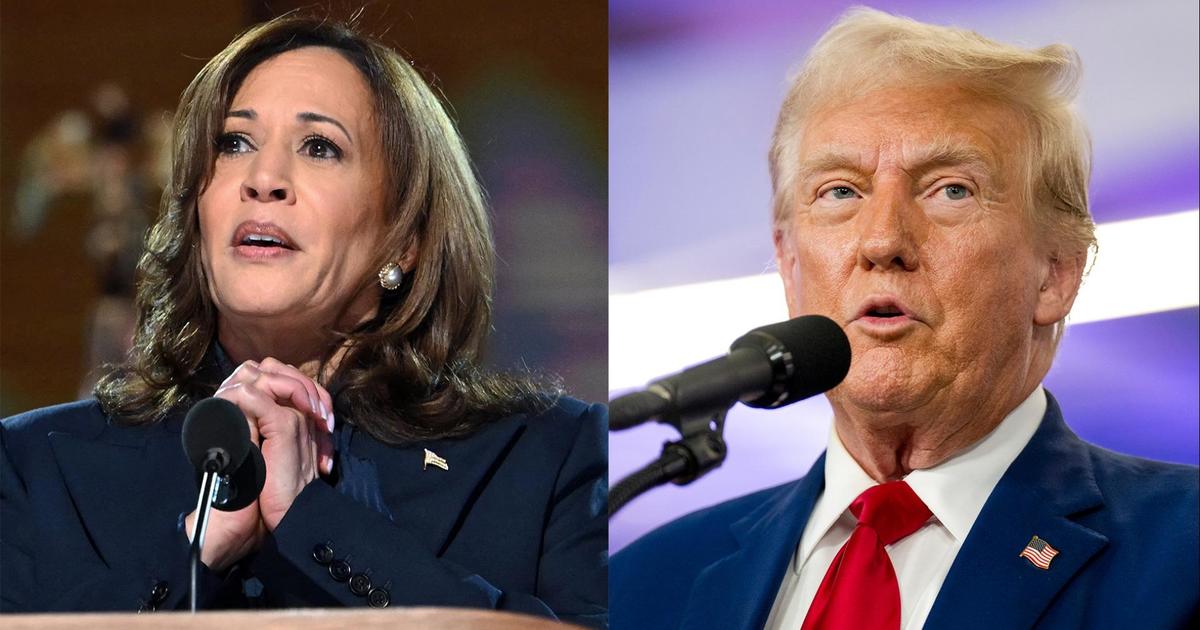
Presidential candidates often use tax proposals as a key component of their campaign platforms, promising to alleviate the financial burden on taxpayers. This year, the tax plans put forth by rivals Kamala Harris and Donald Trump present starkly contrasting approaches that could impact voters’ paychecks in very different ways.
Former President Donald Trump aims to extend the tax cuts implemented through the Tax Cuts and Jobs Act, which was his landmark legislation in 2017 that lowered taxes for most Americans. However, research has revealed that the top earners received the most significant benefits from these tax cuts. Additionally, Trump is proposing to eliminate taxes on tips and Social Security income, while also lowering the corporate tax rate.
On the other hand, Vice President Harris has proposed introducing more generous tax benefits for families, along with raising the corporate tax rate to offset the increased spending from larger tax credits.
These competing proposals reflect divergent views on how best to support American families and stimulate economic growth. While Trump’s plan would offer tax cuts across all income groups, the primary beneficiaries would be higher-income individuals. Harris’ plan, on the other hand, would provide the most substantial benefits to lower-income Americans while increasing taxes for top-earning households.
Kent Smetters, the faculty director of the Penn Wharton Budget Model, a group within the University of Pennsylvania’s Wharton School that analyzes the budgetary impact of government policies, noted, “It’s true that Trump appears to be offering benefits to everyone, but the top 1% and top 0.1% would receive significantly larger giveaways under his plan, whereas Harris’ plan would have a negative impact on these individuals.”
Both tax plans come with substantial costs, with Trump’s combination of corporate and individual tax cuts proving to be more expensive according to the Penn Wharton forecast. They estimate that Trump’s proposal would add $5.8 trillion to the federal deficit over the next decade, compared to $2 trillion for Harris’ plan.
In response to these estimates, Republican National Committee spokesperson Anna Kelly stated that Trump’s tax policies would “shrink deficits” and “lower long-term debt levels” through reductions in federal spending, increased energy production, and deregulation.
The Harris-Walz campaign, however, has seized on the Penn Wharton Budget Model’s analysis to argue that Trump’s tax plan would create a “deficit bomb agenda.” Harris-Walz spokesman James Singer highlighted the potential dangers of Trump’s agenda, stating that it could lead to an explosion in the deficit, increased costs for the middle class, and potentially trigger a recession by the middle of the next year.
While Harris’ tax proposal may have a smaller impact on the national deficit compared to Trump’s plan, Smetters pointed out that both parties would ultimately contribute to the nation’s growing fiscal burden. The Congressional Budget Office forecasted a federal budget deficit of $1.9 trillion in fiscal year 2024, representing a 27% increase from its prior projections, partly due to new funding provided to countries like Ukraine and Israel.
Although deficits may seem abstract to many taxpayers, they indicate that the country is spending more than it’s taking in through tax revenue, leading to a rise in the national debt to cover the deficit. Many economists warn that this can result in higher interest payments to service the growing debt, potentially causing issues in capital markets and casting doubt on the government’s ability to manage its finances.
Smetters warned that the U.S. is on an “explosive path” with its debt levels and that both candidates are failing to address the fundamental issue at hand. He criticized their focus on minor policy differences while ignoring the larger economic challenges facing the country.
In conclusion, the tax proposals of Harris and Trump offer contrasting visions for how to address economic issues and support American families. While Trump’s plan prioritizes tax cuts for all income groups, Harris’ proposal focuses on providing more significant benefits to lower-income Americans. Both plans, however, come with significant costs and potential impacts on the nation’s deficit and debt levels. As the candidates continue to debate their tax policies, voters will need to consider the long-term implications of these proposals on the country’s economic future.